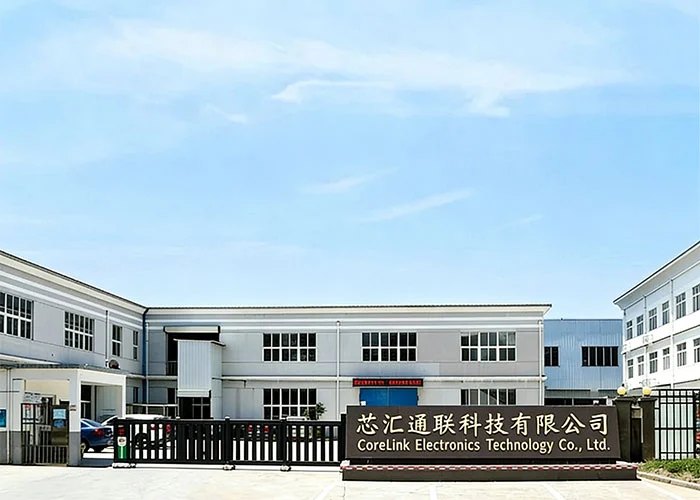
CoreLink Electronics Technology Co., Ltd. is a high-tech enterprise specializing in the R&D and manufacturing of precision electronic components. We provide core component solutions for smart devices, communication infrastructure, and industrial control systems. From material selection to packaging processes, we adhere to strict industry standards to ensure superior performance at the circuit level.
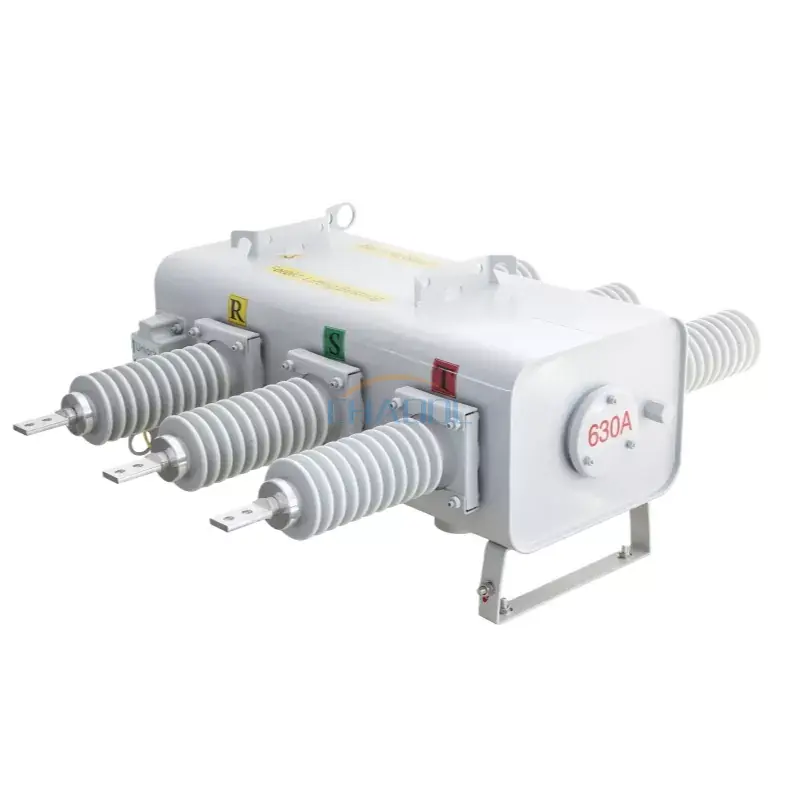
When specifying outdoor switchgear for 126 kV substations, engineers frequently debate between the LW36-126 Outdoor High-Voltage AC Sulfur Hexafluoride (SF₆) Circuit Breaker and Gas-Insulated Switchgear (GIS) breakers. While both use SF₆ as the arc-quenching medium, their mechanical architecture, footprint, maintenance regimes, and total cost of ownership differ fundamentally. At Hanya, we have deployed over 300 units of the LW36-126 Outdoor High-Voltage AC Sulfur Hexafluoride (SF₆) Circuit Breaker across coastal, desert, and alpine projects, giving us real-world data to settle this comparison.
For utility engineers and maintenance specialists, the critical question is whether a 24kV Loadbreak Elbow Surge Arrester can endure these repeated events without degradation. The short answer is yes—but only if the arrester is correctly designed, rigorously tested, and properly applied. This blog examines the technical realities behind repetitive switching surges and explains why Senguang Electric has engineered its loadbreak elbow arresters to excel in these demanding conditions.
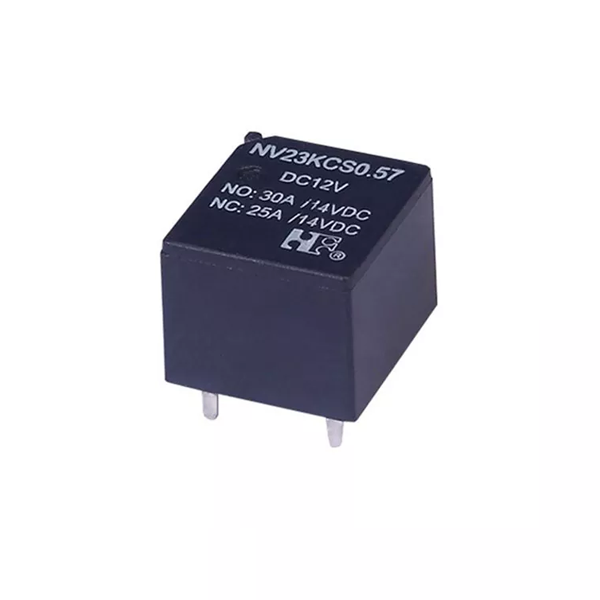
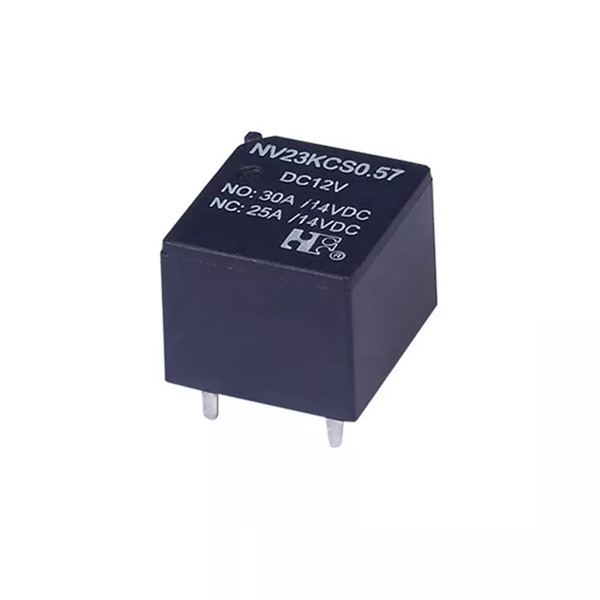
Contact bouncing is one of the most persistent reliability challenges in low-power and battery-operated systems. When a Single Coil Latching Relay changes state, the mechanical contacts often oscillate briefly before settling. This microsecond-level bounce can cause false triggering, signal noise, and premature contact wear. Engineers at Forward have spent years refining drive topologies to address this issue. The good news is that with the right circuit design, you can virtually eliminate bounce without sacrificing the inherent power-saving advantage of a Single Coil Latching Relay.
As smart wearable technology continues to evolve, the demand for compact, flexible, and highly reliable electronic components has increased significantly. Smartwatch FPC (Flexible Printed Circuit) plays a critical role in improving device integration, durability, and user experience. This article explains how Smartwatch FPC supports advanced smartwatch designs, solves common manufacturing challenges, and helps brands achieve better product performance. From space limitations and complex circuit layouts to reliability requirements and mass production challenges, understanding the value of flexible circuit technology is essential for wearable device manufacturers.
If you have invested in Mark-free Vacuum Suction Cups ZP3 for your automated handling lines, you already know their value: they grip delicate surfaces—glass, coated metals, painted panels, or soft plastics—without leaving a single ring, stain, or abrasion.
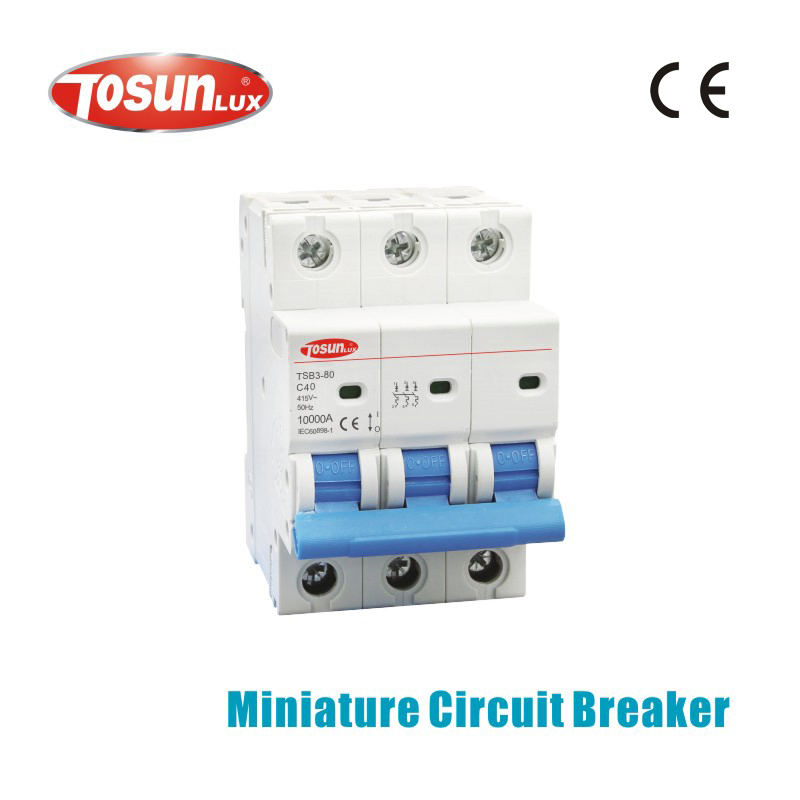
Selecting the right enclosure for a 400A 3P MCCB Enclosed Molded Case Switch is not merely a matter of physical fit—it directly impacts safety, code compliance, and equipment longevity. Enclosure ratings define the level of protection against environmental hazards such as moisture, dust, corrosive agents, and mechanical impact.
When your S10 Lite LCD Screen shatters, the first question that hits most phone owners is whether they can simply replace the cracked glass on top without touching the actual display underneath. It sounds logical—after all, if the image still looks perfect, why swap the whole panel? The short answer is technically yes, but practically no for most users. This guide breaks down exactly what is possible, what is risky, and when you should opt for a full S10 Lite LCD Screens replacement from a trusted supplier like Topyet.
Temperature stability is not a secondary specification—it is a fundamental determinant of whether your Single Mode Laser Diode delivers coherent, reliable, and repeatable performance. Unlike multimode emitters, a Single Mode Laser Diode operates on a single transverse mode, making its output wavelength, linewidth, power, and noise floor exceptionally sensitive to thermal fluctuations.