

Why Is a Portable Glass Chimney Kerosene Heater a Practical Heating Solution?
2026-11-20
Article Summary
Finding a practical heating solution for temporary spaces, workshops, outdoor activities, and locations without convenient electrical connections can be challenging. A portable glass chimney kerosene heater offers a fuel-powered heating option with a compact structure, adjustable flame, and a transparent chimney design that helps protect and stabilize the burner flame.
For distributors, wholesalers, and equipment buyers, understanding the construction and performance of this type of heater is essential before making a purchasing decision. Fuel tank capacity, heat output, consumption rate, wick quality, portability, material durability, and operating safety all influence the product's suitability for different markets. This guide explores how portable glass chimney kerosene heaters work, their practical advantages, maintenance requirements, application considerations, and the key factors buyers should evaluate when sourcing from a manufacturer.
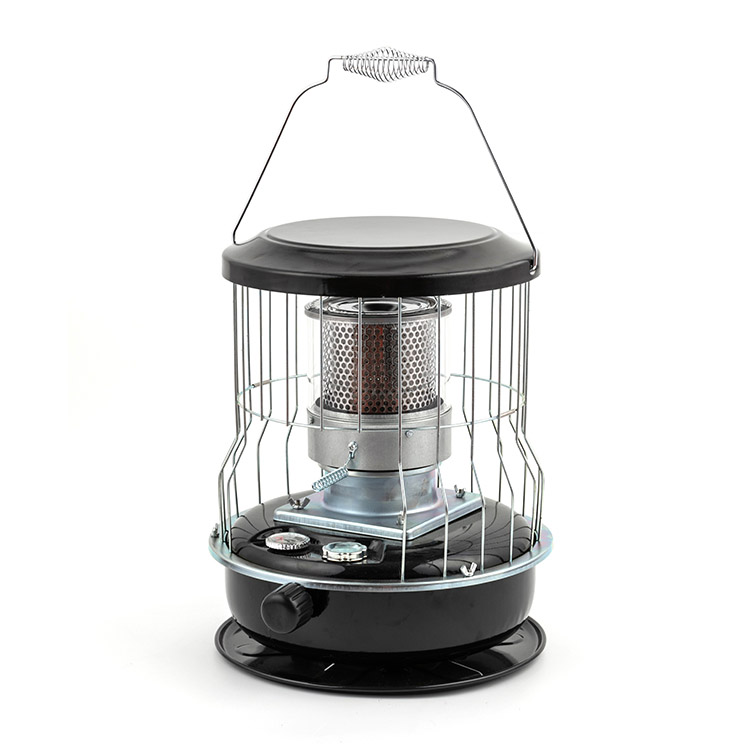
1. What Is a Portable Glass Chimney Kerosene Heater?
A portable glass chimney kerosene heater is a fuel-powered heating appliance designed to generate warmth through the combustion of kerosene. Unlike electric heaters that depend on a stable power supply, this type of heater uses liquid fuel and a wick-based burner system to produce heat.
Its main components typically include a fuel tank, wick assembly, burner, glass chimney, flame adjustment mechanism, and protective outer structure. The glass chimney surrounds the combustion area and helps shield the flame from drafts while allowing users to observe its condition during operation.
The portable design makes it possible to move the appliance between suitable locations when it is completely extinguished, cooled, and handled according to the manufacturer's instructions. Depending on the specific model and local regulations, it may be considered for temporary heating applications in appropriate spaces.
What Makes It Different from Conventional Electric Heaters?
The most obvious difference is the energy source. An electric heater converts electrical energy into heat, while a kerosene heater generates thermal energy through fuel combustion.
This distinction makes kerosene heaters relevant in locations where electrical infrastructure is limited or where a fuel-based heating option is required. However, combustion produces exhaust gases and consumes oxygen, so ventilation and strict operating precautions are essential.
Understanding the Glass Chimney Structure
The glass chimney is an important structural feature. It surrounds the burner area, helps reduce the effect of direct air movement on the flame, and provides visibility during operation.
Unlike a fully enclosed metal structure, a transparent chimney also allows users to observe the flame and identify visible changes that may indicate improper combustion or burner conditions.
It is important to understand that a glass chimney does not make a portable heater a flued appliance. It does not remove carbon monoxide or other combustion products from the occupied space. Safe use must always follow the exact product manual and applicable local requirements.
2. Why Does the Glass Chimney Design Matter?
The glass chimney contributes to the practical design and operation of a portable kerosene heater. Its value is related to flame protection, visibility, and the overall arrangement of the burner assembly.
2.1 Helps Protect the Flame from Air Movement
Air currents can affect an exposed flame and cause unstable combustion. The surrounding glass structure helps shield the burner from some direct drafts, supporting a more consistent flame under suitable operating conditions.
This is particularly relevant when the heater is used in a location where minor air movement may otherwise disturb the burner.
2.2 Provides a Clear View of the Burner
The transparent chimney allows users to observe the combustion area without removing protective components. Visual inspection can help identify unusual flame behavior, soot accumulation, or other visible signs that require attention.
2.3 Supports a Compact Product Structure
The glass chimney is integrated into the heater's overall burner arrangement. Combined with the fuel tank and wick mechanism, it helps create a self-contained heating appliance that does not require a separate external heating duct for its basic operation.
2.4 Improves Product Appearance
From a product design perspective, the transparent chimney gives the heater a recognizable appearance. It can also make the combustion structure easier for users to understand during normal inspection.
3. How Does a Portable Kerosene Heater Work?
A wick-type kerosene heater operates through capillary action and controlled combustion. The wick draws fuel from the tank toward the burner, where the fuel vaporizes and burns to generate heat.
The Basic Heating Process
- Fuel storage: Kerosene is stored in the integrated fuel tank designed for the appliance.
- Fuel absorption: The wick absorbs kerosene and transports it toward the burner through capillary action.
- Fuel vaporization: Heat causes fuel near the upper wick section to vaporize.
- Combustion: The vapor mixes with available oxygen and burns at the burner assembly.
- Heat generation: Combustion releases thermal energy that warms the surrounding area through radiation and natural convection.
- Flame adjustment: The adjustment mechanism changes the wick position and helps regulate the flame within the manufacturer's specified operating range.
Why Is the Wick Important?
The wick directly affects fuel delivery and combustion quality. A damaged, contaminated, incorrectly positioned, or excessively worn wick may produce an unstable flame, smoke, soot, or unpleasant odors.
Using the correct replacement wick and maintaining the burner according to the instruction manual can help preserve consistent operation.
How Does Flame Adjustment Work?
The flame adjustment mechanism changes the exposed wick height. This influences the amount of fuel available for combustion and therefore affects the heat output.
However, the flame should never be adjusted beyond the manufacturer's specified range. An excessively high flame can cause incomplete combustion, soot, and increased fire risk, while an improperly low flame can also result in poor combustion.
4. Key Product Features and Performance Advantages
Portable glass chimney kerosene heaters are designed around several practical features that appeal to users who require a compact, fuel-powered heating appliance.
A compact integrated structure makes the appliance easier to transport when it is cool, empty or safely prepared for movement, and handled according to the manual.
The transparent chimney helps shield the burner flame from direct drafts and allows visual observation.
A wick adjustment mechanism allows users to regulate the flame within the specified operating range.
The built-in tank provides a self-contained fuel storage arrangement without requiring an external fuel connection during operation.
The wick system delivers fuel to the burner through capillary action, supporting a straightforward mechanical heating design.
The basic combustion and heating process does not rely on an electric resistance heating element, although ignition and safety arrangements vary by model.
Practical Benefits for Product Buyers
For distributors and importers, a portable glass chimney kerosene heater offers a product category with recognizable construction and clearly defined technical specifications.
Important commercial considerations include:
- Compact packaging and transport requirements.
- Fuel tank capacity and estimated operating duration.
- Wick replacement availability.
- Glass chimney protection during shipping.
- Ease of assembly and maintenance.
- Compliance with destination-market regulations.
- OEM branding and product customization possibilities.
5. Understanding the Technical Specifications
Technical specifications are essential when comparing portable kerosene heaters. They help buyers understand the relationship between fuel consumption, heat output, tank capacity, operating duration, and product dimensions.
Example: Portable Glass Chimney Kerosene Heater ZZ-2204
| Specification | Product Parameter |
|---|---|
| Model | ZZ-2204 |
| Product Type | Portable Glass Chimney Kerosene Heater |
| Heating Area | Approximately 22 m² |
| Fuel Tank Capacity | 4.6 L |
| Heat Output | 7,800–9,000 BTU/h |
| Fuel Consumption | Approximately 0.25 L/h |
| Estimated Burning Duration | Up to approximately 18 hours under stated conditions |
| Ignition Method | Manual match ignition |
| Net Weight | Approximately 4.2 kg |
| Gross Weight | Approximately 4.6 kg |
| Package Dimensions | 32.5 × 32.5 × 40 cm |
Note: The above figures refer to the specified ZZ-2204 product configuration. Heating area and operating duration are indicative values rather than guaranteed results. Actual performance depends on ambient temperature, building insulation, ventilation, fuel characteristics, and operating conditions.
Why Does Fuel Tank Capacity Matter?
Fuel tank capacity determines how much kerosene the heater can store. A larger tank may reduce the frequency of refueling, but it can also affect the product's overall weight and portability.
For buyers, the correct tank capacity should match the intended operating pattern rather than simply prioritizing the largest possible volume.
How Should Fuel Consumption Be Evaluated?
Fuel consumption indicates how much fuel the appliance uses over a specified period. It helps users estimate operating costs and calculate approximate running time.
For example, a heater consuming approximately 0.25 liters per hour with a 4.6-liter tank has a theoretical fuel-based operating time of:
4.6 L ÷ 0.25 L/h = 18.4 hours
This is a theoretical estimate. Actual operating time may be shorter because of usable tank capacity, flame adjustment, fuel conditions, and operating limitations.
Understanding Heat Output
BTU/h measures the rate of heat energy production. A higher heat output may provide greater heating capacity, but it must be appropriate for the intended environment.
Buyers should evaluate heat output together with room size, insulation, outdoor temperature, ventilation requirements, and applicable safety regulations.
6. Where Can Portable Glass Chimney Kerosene Heaters Be Used?
Portable kerosene heaters may be considered for certain temporary heating requirements, depending on product approval, local regulations, and environmental conditions. Their suitability must be assessed carefully because combustion products are released during operation.
6.1 Workshops and Maintenance Areas
Some suitable workshop environments may require temporary heating during cold weather. A portable heater may be considered where the location, ventilation, fire protection arrangements, and applicable regulations permit its use.
6.2 Warehouses and Storage Facilities
Warehouses sometimes experience low temperatures during seasonal changes. Buyers considering portable heating equipment should evaluate the size of the space, combustible materials, storage layout, and fire safety requirements before selecting a heating solution.
6.3 Outdoor and Semi-Outdoor Activities
Portable kerosene heaters may be considered for appropriate outdoor applications where the product is designed and approved for the conditions. Wind exposure, stable placement, weather protection, and safe fuel handling remain important.
6.4 Temporary Work Areas
Temporary workspaces may not always have convenient electrical infrastructure. Fuel-powered heating equipment can be relevant for specific applications, provided that the operating environment meets the manufacturer's requirements and local safety rules.
6.5 Emergency Heating Planning
In areas where power interruptions occur, some users consider non-electric heating equipment as part of an emergency preparedness plan. However, emergency use does not remove the need for proper ventilation, carbon monoxide protection, and safe fuel storage.
Portable kerosene heaters release combustion products, including carbon monoxide, and consume oxygen. Many portable wick-type heaters are unvented appliances and are not suitable for ordinary indoor living or sleeping spaces. Never assume that a glass chimney makes a heater safe for enclosed indoor use.
Use the product only in environments explicitly permitted by its manual and local regulations. Provide the required ventilation, install functioning carbon monoxide alarms where applicable, keep the appliance away from combustible materials, and never leave it unattended while operating.
7. How to Use and Maintain a Kerosene Heater Properly
Proper operation and regular maintenance help preserve product performance and reduce avoidable risks. Fuel handling, wick condition, burner cleanliness, and glass chimney inspection are particularly important.
Before Operating the Heater
- Read the complete manufacturer's instruction manual.
- Check whether the appliance is approved for the intended location.
- Inspect the fuel tank for damage or leakage.
- Check that the wick is installed correctly and is in suitable condition.
- Inspect the glass chimney for cracks or damage.
- Confirm that the heater is positioned on a stable, level, non-combustible surface.
- Ensure that required ventilation and fire protection arrangements are available.
- Keep children, pets, curtains, paper, and other combustible materials away.
Use the Correct Fuel
Fuel compatibility is essential for proper combustion. Use only the fuel type and grade specified by the manufacturer and permitted by local regulations.
Never use gasoline, alcohol, diesel, or other unapproved fuels in a kerosene heater. Incorrect fuel can result in unstable combustion, excessive smoke, fire, or equipment damage.
Refueling Precautions
Refueling is one of the most important safety procedures. Fuel should never be added while the heater is operating or still hot.
- Turn the heater off completely.
- Allow it to cool fully before handling fuel.
- Move the heater to a suitable refueling location as instructed by the manufacturer.
- Use an approved fuel container and avoid overfilling the tank.
- Clean up any spilled fuel before restarting the appliance.
- Keep fuel containers securely closed and stored away from heat sources.
Routine Cleaning and Inspection
Dust, soot, and fuel residue can affect the condition of the burner and surrounding components. Routine inspection helps identify problems before they become more serious.
| Component | Inspection Focus | Maintenance Action |
|---|---|---|
| Glass Chimney | Cracks, chips, soot, and residue | Clean only when cool using approved methods; replace damaged glass. |
| Wick | Wear, contamination, uneven burning | Clean, service, or replace according to the manual. |
| Burner Assembly | Deformation, soot, and incorrect positioning | Inspect and restore correct assembly as instructed. |
| Fuel Tank | Leakage, corrosion, and contamination | Keep clean and address any damage before use. |
| Adjustment Mechanism | Movement and operating stability | Check for proper operation and follow service guidance. |
| Protective Structure | Loose parts and physical damage | Secure or replace damaged components. |
When Should the Wick Be Replaced?
Wick replacement may be necessary when the heater produces persistent smoke, an uneven flame, excessive soot, or difficulty maintaining normal combustion despite correct fuel and operating procedures.
Always use the correct replacement wick for the specific model. Incorrect wick dimensions or materials can affect fuel delivery and combustion performance.
8. Common Problems and Practical Solutions
Understanding typical operating problems can help distributors, service technicians, and end users identify possible causes and take appropriate action.
| Common Problem | Possible Cause | Recommended Action |
|---|---|---|
| Heater Is Difficult to Ignite | Insufficient wick preparation, unsuitable fuel, or incorrect assembly. | Follow the ignition procedure and inspect the wick and fuel supply. |
| Uneven Flame | Uneven wick position, burner misalignment, or air movement. | Stop and cool the heater, then inspect the burner assembly according to the manual. |
| Black Smoke or Soot | Incorrect flame height, contaminated wick, or poor combustion. | Turn off the heater and arrange inspection before further use. |
| Unpleasant Odor | Fuel spillage, unsuitable fuel, or incomplete combustion. | Stop operation, ventilate the area, and identify the cause. |
| Short Operating Duration | Higher-than-expected fuel consumption or reduced usable tank capacity. | Check the fuel level, flame setting, and product specifications. |
| Glass Chimney Damage | Impact, thermal shock, or incorrect handling. | Stop using the heater and replace the damaged glass with the correct part. |
| Fuel Leakage | Tank damage, loose connections, or seal failure. | Stop use immediately and arrange professional inspection. |
Why Should Smoke and Odor Never Be Ignored?
Persistent smoke or an unusual smell may indicate incomplete combustion, fuel contamination, or a mechanical problem. These symptoms should not be treated as normal operating characteristics.
Turn off the appliance if it can be done safely, leave the affected area if there is a suspected combustion or carbon monoxide problem, and seek fresh air. If anyone experiences headache, dizziness, nausea, weakness, or confusion, treat the situation as a potential carbon monoxide emergency and seek immediate medical assistance.
9. How to Choose a Reliable Kerosene Heater Manufacturer
For importers, distributors, wholesalers, and private-label brands, choosing a suitable manufacturer is an important part of product sourcing. A competitive price alone cannot guarantee consistent quality, safe construction, or reliable delivery.
9.1 Evaluate Product Construction
Review the fuel tank structure, glass chimney quality, burner assembly, wick material, adjustment mechanism, and protective components. These parts directly influence the product's usability and durability.
9.2 Confirm Technical Specifications
Ask the manufacturer to provide a complete product specification sheet, including:
- Heat output and rated heating capacity.
- Fuel tank capacity.
- Fuel consumption and operating duration.
- Product dimensions and weight.
- Ignition method and wick specifications.
- Approved fuel type.
- Operating instructions and safety requirements.
- Applicable certifications and test documentation.
9.3 Check Product Quality Control
Buyers should understand how the manufacturer checks material quality, glass integrity, fuel tank sealing, combustion performance, product assembly, and packaging.
Relevant testing documents should be requested and verified for the exact product model and destination market. A general company certification does not automatically establish that every product configuration meets every local requirement.
9.4 Review OEM and ODM Capabilities
Private-label buyers may need customized logos, product colors, packaging designs, or material configurations. OEM and ODM support can help distributors develop products that match their local market positioning.
Before confirming customization, clarify minimum order quantities, tooling requirements, sample approval procedures, production lead times, and intellectual property arrangements.
9.5 Evaluate Packaging and Shipping Protection
Glass chimney components require particular attention during transportation. Proper internal cushioning, protective packaging, carton strength, and drop-test evaluation can help reduce breakage during international shipping.
Why Work with Ningbo Zhongze Electronics Co., Ltd.?
Ningbo Zhongze Electronics Co., Ltd. specializes in kerosene heater manufacturing and export-oriented product solutions. Its product range includes glass chimney kerosene heaters and metal chimney kerosene heaters for different customer requirements.
The company offers product development, design, manufacturing, and sales services, with OEM and ODM options for customers seeking customized heating equipment.
Its ZOOZAA portable glass chimney kerosene heater range includes models designed with integrated fuel tanks, wick-based burners, adjustable flames, and transparent chimney structures.
For international buyers, evaluating the complete product configuration, applicable market requirements, and technical documentation is an important step before confirming an order.
Purchasing Checklist for Importers and Distributors
- Confirm the exact heater model and product configuration.
- Verify fuel tank capacity and rated heat output.
- Check fuel consumption and estimated operating time.
- Review glass chimney material and packaging protection.
- Confirm wick replacement availability.
- Request product samples for evaluation.
- Review applicable certifications and safety test reports.
- Check destination-market import and operating regulations.
- Discuss OEM logos, colors, and packaging customization.
- Confirm MOQ, lead time, payment terms, and after-sales support.
10. Frequently Asked Questions
Q1. What is a portable glass chimney kerosene heater?
It is a portable fuel-powered heating appliance that uses kerosene and a wick-based burner to generate heat. Its glass chimney surrounds the burner area, helps shield the flame from drafts, and allows users to observe the combustion process.
Q2. Why does a kerosene heater have a glass chimney?
The glass chimney helps protect the flame from direct air movement and provides visibility of the burner. It is also an important part of the heater's overall combustion structure.
Q3. How long can a 4.6L kerosene heater operate?
For a model consuming approximately 0.25 liters per hour, a 4.6-liter tank provides a theoretical operating time of around 18.4 hours. Actual duration depends on usable fuel capacity and operating conditions.
Q4. What is the heating capacity of the ZZ-2204 model?
The specified ZZ-2204 model has a rated heat output of approximately 7,800–9,000 BTU/h and an indicated heating area of approximately 22 square meters. Actual performance varies with the environment and operating conditions.
Q5. Does a portable kerosene heater require electricity?
The basic wick-based heating and combustion process does not require an electric heating element. However, ignition and safety features differ between models. The ZZ-2204 specification lists manual match ignition.
Q6. Can a glass chimney kerosene heater be used indoors?
Only if the exact appliance is explicitly approved for the intended indoor environment and its manual and local regulations permit such use. Portable unvented kerosene heaters produce combustion gases, including carbon monoxide, and consume oxygen. A glass chimney does not eliminate these hazards. Never use an unsuitable portable heater in an enclosed living or sleeping space.
Q7. What type of fuel should be used?
Use only the fuel type and grade specified by the manufacturer and permitted by local regulations. Unapproved fuels can cause poor combustion, smoke, equipment damage, or fire hazards.
Q8. How often should the wick be replaced?
Replacement frequency depends on usage, fuel quality, and maintenance conditions. Inspect the wick regularly and replace it when it becomes excessively worn, contaminated, or unable to support normal combustion, following the manufacturer's instructions.
Q9. What causes black smoke from a kerosene heater?
Possible causes include an incorrectly adjusted flame, a contaminated or damaged wick, burner misalignment, unsuitable fuel, or incomplete combustion. Turn off the heater and arrange inspection before using it again.
Q10. Can the heater be customized for wholesale orders?
Customization may include branding, colors, packaging, and selected material or structural options, depending on the model. Buyers should discuss technical feasibility, minimum order quantities, samples, and production schedules with the manufacturer.
Q11. What should buyers check before importing kerosene heaters?
Buyers should confirm product specifications, safety certifications, fuel compatibility, packaging protection, labeling, local import regulations, and applicable operating restrictions in the destination market.
Q12. Why is glass chimney packaging important?
Glass components may crack or break under impact during transportation. Proper cushioning, internal support, protective packaging, and appropriate carton testing help reduce shipping damage.
Conclusion: Choosing a Practical Portable Heating Solution
A portable glass chimney kerosene heater combines a compact structure, wick-based combustion system, adjustable flame, integrated fuel tank, and transparent chimney design. These features make it a product worth considering for suitable temporary heating applications where fuel-powered equipment is required.
However, product selection should involve more than comparing heating capacity and tank size. Fuel consumption, wick quality, glass durability, material construction, packaging protection, maintenance requirements, and destination-market regulations all contribute to the overall value of the equipment.
For wholesalers, importers, distributors, and private-label brands, working with a manufacturer that understands product construction, technical requirements, and customization can make sourcing more efficient.
By carefully evaluating product specifications and operating conditions, buyers can identify a portable kerosene heater that better matches their commercial requirements and intended market.
Looking for a Reliable Portable Glass Chimney Kerosene Heater Manufacturer?
Ningbo Zhongze Electronics Co., Ltd. provides glass chimney and metal chimney kerosene heater solutions for international distributors, wholesalers, importers, and OEM customers.
Whether you are sourcing portable kerosene heaters for your product range or developing a customized heating appliance, our team can help you review product specifications, customization requirements, and order details.
Ready to discuss your next sourcing project? Contact us today to request product information, explore OEM and ODM possibilities, and find a suitable kerosene heater solution for your market.
Contact Us for Product Details