

Why Is Thermal Management Critical in Modern PCBA Design
2026-02-28
In the realm of electronics manufacturing, the importance of thermal management in PCBA Design cannot be overstated. As devices become smaller and more powerful, the density of components on a board increases, leading to higher heat generation. Without a strategic approach to heat dissipation, even the most sophisticated circuitry can fail. At Akeson, we prioritize thermal integrity in every project, ensuring that your electronics perform reliably under any condition.
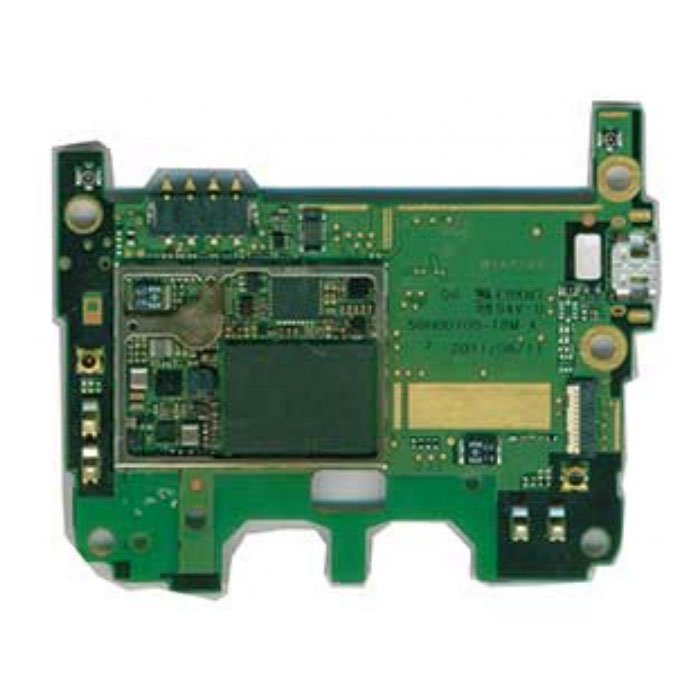
The Risks of Inadequate Thermal Control
Excessive heat is a primary catalyst for electronic failure. It degrades component materials, alters electrical characteristics, and can lead to mechanical stress through thermal expansion. By integrating thermal management early in the PCBA Design phase, engineers mitigate these risks, enhancing product lifespan and safety.
Key Consequences of Overheating
-
Reduced Lifespan: Electrolytic capacitors dry out faster; semiconductor junctions degrade.
-
Performance Drift: Signal integrity is compromised as resistance increases with temperature.
-
Safety Hazards: Extreme heat can lead to fires or melting of insulation.
Effective Heat Dissipation Strategies
To combat thermal stress, designers employ a variety of techniques. The table below outlines the most effective methods used in modern manufacturing by experts like Akeson.
| Strategy | Description | Best Application |
|---|---|---|
| Thermal Vias | Plated through-holes that transfer heat from outer layers to internal ground or power planes. | High-power LEDs and dense processor boards. |
| Heatsinks & Fans | Physical components attached to hot parts to increase airflow and surface area for convection. | Power supplies and CPU-intensive devices. |
| Material Selection | Using substrates with high thermal conductivity (e.g., metal-core PCBs) rather than standard FR4. | Automotive and industrial power converters. |
| Component Spacing | Arranging parts to avoid "hot spots" and allow natural airflow between components. | General-purpose PCBA Design optimization. |
Material Matters: The Role of Substrates
The choice of base material in a PCBA Design dictates how quickly heat moves away from critical components. Standard FR4 is often insufficient for modern high-speed designs. Akeson recommends evaluating ceramic-based boards or metal-core PCBs (MCPCB) for applications involving high current or extreme environmental temperatures.
Design for Manufacturing and Reliability
Integrating thermal solutions isn't just about physics; it’s about manufacturability. A board that generates heat unevenly may warp during the soldering process, leading to assembly defects. By adhering to strict thermal guidelines, manufacturers ensure higher yields and fewer field failures.
Frequently Asked Questions about PCBA Design
1. How does component placement affect thermal management in PCBA Design?
Placement is the foundation of thermal control. Sensitive components like electrolytic capacitors should be kept away from high-heat sources like processors or power transistors. Designers should create a thermal gradient where the hottest parts are near the edge of the board or have direct airflow. At Akeson, we utilize simulation software to model airflow and heat transfer before a single prototype is built, ensuring that the physical layout inherently supports cooling.
2. What is the difference between thermal relief and thermal vias in a PCBA Design?
While both manage heat, they serve distinct purposes. Thermal vias are used to conduct heat away from a component into internal copper planes, acting like a chimney for heat. Thermal relief spokes, on the other hand, are used in pad connections to a ground plane. They limit the speed of heat transfer during soldering, preventing "cold joints" by allowing the pad to heat up quickly for soldering, while still providing a good electrical and thermal path once the device is operational.
3. When should I consider using an external heatsink for my PCBA Design?
An external heatsink becomes critical when the ambient operating temperature is high, or when the junction temperature of your components exceeds safe limits despite using internal PCB layers and vias. If your design involves continuous high-power operation—such as in motor drives or RF amplifiers—the mass of the PCB alone cannot absorb the heat fast enough. Akeson advises integrating heatsink mounting points directly into the mechanical design of the enclosure to ensure maximum surface contact and thermal transfer.
Conclusion
Ignoring thermal dynamics in your PCBA Design is a gamble with your product's reliability. From selecting the right substrate to implementing strategic airflow, every decision impacts the final performance. At Akeson, we combine advanced simulation tools with decades of manufacturing experience to deliver designs that stay cool under pressure.
Ready to optimize your next project? Contact us today for a consultation and ensure your electronics operate at their peak.