

Why Does EV Automotive and EVSE Fuse Selection Matter More Than Most Buyers Expect?
2026-04-22
Article Summary
Choosing the right EV Automotive and EVSE Fuse is not just a small component decision. It directly affects charging safety, battery protection, uptime, equipment lifespan, and long-term replacement costs. Many buyers focus only on current rating or price, but that is where preventable mistakes often begin. In real EV and EVSE applications, a fuse must respond to high-voltage DC conditions, tolerate thermal stress, interrupt fault current quickly, and protect expensive downstream components. This article explains what an EV Automotive and EVSE Fuse does, where buyers often get confused, how to compare options more accurately, and what to check before placing an order. It also shows how Zhejiang Galaxy Fuse Co., Ltd. can support buyers looking for a more dependable protection solution for EV charging and related DC systems.
Contents
- Outline
- Why are buyers paying more attention to fuse selection now
- What is an EV Automotive and EVSE Fuse
- What problems do buyers run into most often
- Why can’t a standard fuse approach solve DC protection challenges
- How should buyers evaluate the right fuse step by step
- Which parameters deserve the closest attention
- What common mistakes create hidden risk
- Where is this fuse typically used
- Why do many buyers prefer working with an experienced manufacturer
- FAQ
- Why does the right choice reduce cost as well as risk
Outline
- Industry background and growing protection demands in EV and charging infrastructure
- Core function of an EV Automotive and EVSE Fuse
- Typical buyer concerns and procurement blind spots
- Selection framework for voltage, current, interrupting capacity, I²t, and thermal behavior
- Practical application scenarios and sourcing guidance
- Frequently asked questions from real-world buyers
Why are buyers paying more attention to fuse selection now
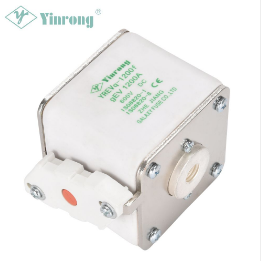
The EV market is moving fast, and charging infrastructure is growing just as quickly. With that growth comes a simple reality: systems are carrying more power, operating at higher DC voltages, and facing stricter expectations for safety and reliability. That means a fuse is no longer treated as a minor line item that buyers pick at the last minute. It has become part of the overall risk-control strategy.
I have seen many buyers start with a familiar question: “Isn’t a fuse just a fuse?” On paper, that sounds reasonable. In practice, it creates trouble. In EV chargers, battery-connected circuits, and high-voltage DC systems, the fuse must do far more than melt under overload. It needs to interrupt fault current cleanly, limit energy let-through, and help protect expensive electronics that are far less forgiving than old-style power hardware.
This is exactly why more manufacturers, EPC teams, and equipment buyers are taking EV Automotive and EVSE Fuse selection seriously. A poor choice may not fail immediately. That is what makes it dangerous. It may pass initial testing, then create nuisance trips, accelerated aging, unexpected downtime, or poor fault clearing when the system is under real stress.
What is an EV Automotive and EVSE Fuse
An EV Automotive and EVSE Fuse is a protection device specifically designed for electric vehicle circuits and electric vehicle supply equipment. Its job is to disconnect the circuit when abnormal current conditions occur, helping prevent damage to batteries, power modules, wiring, contactors, converters, and charging hardware.
The key point is not only that it protects. The key point is how it protects. In EV and EVSE applications, many systems involve high-voltage DC. DC interruption is more demanding than many buyers first assume because the arc behavior is different and fault energy can be severe. A fuse intended for this environment must be matched to those conditions instead of relying on generic assumptions.
This is where Zhejiang Galaxy Fuse Co., Ltd. enters the conversation naturally. When buyers look for a practical product source, they are not just comparing dimensions and price tags. They are looking for a manufacturer that understands EV Automotive and EVSE Fuse performance in the context of real charging and power protection demands.
What problems do buyers run into most often
- They compare only amp rating and ignore system voltage. That creates a dangerous mismatch in DC applications.
- They assume a lower-cost fuse with a similar appearance performs the same way. External similarity does not equal internal reliability.
- They overlook interrupting capacity. A fuse must be able to safely break the available fault current.
- They do not check I²t and thermal behavior. That can leave semiconductors and battery-related components exposed.
- They source late in the project. This often causes rushed substitutions and avoidable qualification issues.
- They do not ask enough application questions. EV, EVSE, ESS, and UPS-related use cases may look similar but do not always impose the same duty profile.
Most customer pain points come from one pattern: the fuse is treated as a basic commodity, while the rest of the system is treated as precision engineering. That disconnect usually shows up later in the form of rework, field complaints, or conservative oversizing that raises cost without truly improving protection.
Why can’t a standard fuse approach solve DC protection challenges
In alternating current systems, current passes through zero naturally in each cycle. In direct current systems, that zero crossing does not help extinguish the arc in the same way. This is one of the biggest reasons buyers cannot casually apply a standard protection mindset to EV charging or battery-connected circuits.
In other words, the fuse has to manage a more demanding interruption event. If that job is not handled properly, the consequences can include incomplete interruption, excessive heat, damage to surrounding components, or a protection response that is simply too slow for the electronics involved.
This is why buyers should evaluate an EV Automotive and EVSE Fuse as part of a system protection design, not as a generic replacement part. A smarter procurement decision usually starts when the buyer moves from “What is the cheapest option?” to “What fault conditions and thermal conditions must this fuse survive and clear?”
How should buyers evaluate the right fuse step by step
I like to break the process into a sequence that is simple enough for procurement teams to follow but detailed enough to be useful for engineers too.
| Step | What to Check | Why It Matters |
|---|---|---|
| 1 | System voltage | The fuse voltage rating must match or exceed the DC system voltage. |
| 2 | Continuous operating current | The fuse must carry normal load without premature aging or nuisance opening. |
| 3 | Expected fault current | The interrupting capacity must safely exceed possible short-circuit current. |
| 4 | I²t and speed characteristics | These influence how much energy reaches sensitive downstream devices during faults. |
| 5 | Thermal environment | Ambient temperature, enclosure design, and load cycling affect service life. |
| 6 | Mounting and space constraints | Installation format and mechanical design must fit the actual product layout. |
| 7 | Testing and supplier support | Clear technical guidance reduces qualification risk and sourcing mistakes. |
This is also the stage where many buyers realize they need a conversation, not just a catalog. A serious EV Automotive and EVSE Fuse purchase often depends on operating profile details, charger topology, battery voltage class, and thermal conditions that are easy to miss in a fast quote comparison.
Which parameters deserve the closest attention
If I had to narrow the decision down to the most critical comparison points, I would focus on the following five.
-
Voltage rating
A fuse selected for EV and EVSE duty must be appropriate for the actual DC platform. A mismatch here is one of the most serious errors a buyer can make. -
Current rating
This should reflect true operating current with sensible design margin, not just nameplate assumptions. -
Breaking capacity
The fuse must safely interrupt the highest possible fault current in the application. -
I²t performance
Lower let-through energy can be critical when protecting semiconductors and expensive converter-related hardware. -
Thermal stability
A fuse that looks fine on paper may age poorly in a hot enclosure or under repeated load cycling.
Buyers who compare these factors carefully are usually the ones who avoid the hidden trap of “acceptable on paper, unreliable in service.” That matters especially in EVSE equipment, where uptime, maintenance cost, and end-user trust are all connected.
What common mistakes create hidden risk
One of the most expensive procurement habits is assuming that passing a basic specification checklist is enough. It often is not. A fuse may satisfy a narrow current requirement while still being the wrong choice for the real protection task.
Here are the mistakes I see most often:
| Common Mistake | Short-Term Result | Long-Term Consequence |
|---|---|---|
| Choosing by price only | Lower initial spend | Higher replacement risk, downtime, and maintenance cost |
| Ignoring thermal derating | Fuse seems adequate at room temperature | Premature aging or nuisance operation in real service |
| Using incomplete application data | Faster quote process | Wrong part selected for real load and fault conditions |
| Overlooking downstream component sensitivity | Basic protection appears covered | Semiconductor damage during high-energy fault events |
| Switching suppliers without technical review | Short-term sourcing flexibility | Inconsistent field performance and qualification setbacks |
The best buyers are not the ones who simply negotiate the lowest number. They are the ones who reduce total uncertainty. In EV charging and related DC protection, that mindset usually leads to better outcomes.
Where is this fuse typically used
An EV Automotive and EVSE Fuse can serve across multiple application environments, depending on the design and rating. Typical use cases include:
- Electric vehicle battery and auxiliary protection circuits
- Electric vehicle supply equipment
- Fast charging and high-power charging infrastructure
- Battery energy storage related DC protection scenarios
- UPS and other high-reliability DC power systems
This range matters because many buyers want one supplier relationship that can support adjacent projects as their product mix grows. That is another reason Zhejiang Galaxy Fuse Co., Ltd. can be a practical option for buyers who want a more unified sourcing path for EV Automotive and EVSE Fuse requirements.
Why do many buyers prefer working with an experienced manufacturer
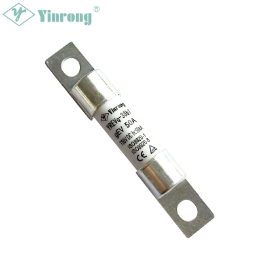
A knowledgeable manufacturer adds value long before the first shipment. Good support helps buyers narrow the correct voltage class, confirm current selection logic, understand installation considerations, and avoid the false economy of underqualified substitutes.
When evaluating a supplier, I would look for more than product availability. I would ask whether they can discuss application fit, customization possibilities, technical documentation, consistency, and response speed. Buyers do not just need stock. They need confidence.
That is why companies such as Zhejiang Galaxy Fuse Co., Ltd. attract attention from procurement teams that want more than a transactional quotation. When a supplier understands how an EV Automotive and EVSE Fuse works inside the broader protection design, the buying process becomes smoother and the final result is usually safer.
FAQ
- Is a higher current rating always safer? No. Oversizing can reduce protection effectiveness and allow too much fault energy to pass before the fuse operates.
- Can buyers treat EV and EVSE fuse selection as a simple replacement decision? Not if the system involves meaningful DC voltage, sensitive electronics, or demanding thermal conditions. The full application profile matters.
- What matters more, price or interrupting performance? For mission-critical equipment, interrupting performance and application fit matter more. A low purchase price can become expensive if failures or downtime follow.
- Why is thermal performance so important? Because real equipment rarely operates in ideal laboratory conditions. Heat buildup, enclosure design, and cycling all influence fuse life and stability.
- What should buyers prepare before asking for a quotation? System voltage, continuous current, possible fault current, ambient temperature, installation format, and a brief description of the application. Better input usually produces a much better recommendation.
Why does the right choice reduce cost as well as risk
The right EV Automotive and EVSE Fuse does more than open a circuit during trouble. It helps reduce service interruptions, protects expensive components, improves confidence in equipment reliability, and lowers the chance of costly redesigns or field problems. That is why smart buyers no longer treat fuse selection as an afterthought.
If your team is comparing options for EV charging, battery-connected DC protection, or related high-voltage applications, taking the time to evaluate the fuse properly can save money in ways that a low unit price never will. Better protection decisions usually lead to better system results.
Why not choose a partner that understands your application from the start
If you are looking for a more dependable EV Automotive and EVSE Fuse solution, Zhejiang Galaxy Fuse Co., Ltd. is ready to support your project with practical product insight and responsive service. Whether you are sourcing for EV equipment, charging infrastructure, or other demanding DC applications, now is the right time to compare with confidence and move forward with fewer risks. Contact us to discuss your requirements and get the right fuse solution for your next project.