

Which Remote Control Lamp Holder Meets Your Lighting Needs?
2026-11-11
Choosing the right remote control lamp holder can make lighting systems more convenient, flexible, and efficient. Whether used in residential spaces, commercial buildings, workshops, or smart lighting projects, a suitable lamp holder should provide reliable electrical connections, convenient control functions, compatible installation dimensions, and long-term operating stability. This guide explains how remote control lamp holders work, which features matter most, how to evaluate compatibility, and what buyers should consider before purchasing. It also explores common applications, installation considerations, maintenance practices, and frequently asked questions to help distributors, contractors, and project purchasers make informed decisions.
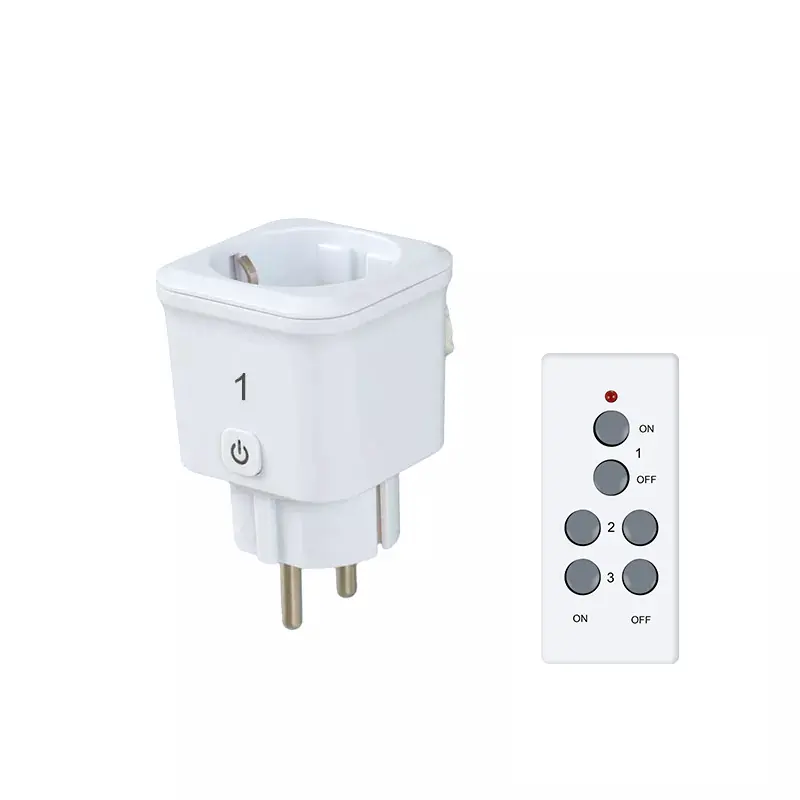
1. What Is a Remote Control Lamp Holder?
A remote control lamp holder is a lighting accessory designed to allow users to operate a compatible light source remotely rather than relying exclusively on a traditional wall switch. Depending on its design, it may support functions such as switching lights on and off, adjusting brightness, changing lighting modes, or controlling multiple lighting units.
Unlike a conventional lamp holder that mainly provides mechanical support and an electrical connection for a bulb, a remote control model incorporates or works with an electronic control mechanism. This additional functionality makes lighting operation more convenient, particularly in locations where switches are difficult to reach or where users want greater control over their lighting environment.
Remote control lamp holders are available in different configurations, including models with integrated receivers, external controllers, and wireless control modules. Their actual functions depend on the electrical design, communication technology, and compatible remote control system.
Why Are Remote Control Lamp Holders Becoming More Popular?
Modern lighting requirements are no longer limited to simply illuminating a room. Users increasingly expect lighting products to provide flexibility, convenience, and compatibility with different interior and commercial environments.
- Convenient operation: Users can control compatible lighting fixtures without physically approaching a wall switch.
- Flexible lighting management: Certain models support additional functions such as dimming or mode selection.
- Improved accessibility: Remote operation can be helpful for elderly users, people with limited mobility, and installations with inconvenient switch locations.
- Easy lighting upgrades: Compatible remote control lamp holders can provide additional functionality without necessarily requiring a complete lighting system replacement.
- Multiple application possibilities: They can be considered for homes, offices, retail spaces, and other lighting environments.
2. How Does a Remote Control Lamp Holder Work?
A remote control lamp holder generally operates through communication between a handheld transmitter or another compatible control device and a receiving unit connected to the lighting circuit.
When the user presses a button on the remote control, a signal is transmitted to the receiver. The receiver processes the command and activates the corresponding electrical function, such as switching the light on or off.
Key Components of the System
- Remote transmitter: Sends commands to the receiver through a supported wireless communication method.
- Receiver module: Receives and interprets control signals and manages the corresponding switching operation.
- Lamp holder: Provides the physical connection and support for a compatible bulb.
- Electrical terminals: Connect the product to the appropriate power supply and lighting circuit.
- Control circuitry: Coordinates signal processing and electrical switching according to the product design.
Common Control Technologies
Different remote control lamp holders may use different communication technologies. Understanding these differences helps buyers select a product suitable for their installation environment.
| Technology | Operating Principle | Typical Considerations |
|---|---|---|
| Infrared (IR) | Uses infrared signals from a remote transmitter. | Usually requires a relatively clear signal path between the remote and receiver. |
| Radio Frequency (RF) | Uses radio signals to transmit control commands. | Can offer more flexible positioning, depending on frequency and surrounding obstacles. |
| Bluetooth | Uses short-range wireless communication. | May support control through compatible mobile devices or dedicated controllers. |
| Wi-Fi | Connects to a compatible wireless network. | Can support network-based control and smart home integration when designed for it. |
It is important to remember that these technologies are not interchangeable. A remote transmitter must use a communication method supported by the receiver. Buyers should always verify the manufacturer's compatibility specifications before placing an order.
3. Which Features Make a Lamp Holder Reliable?
A remote control lamp holder should provide more than convenient operation. Electrical safety, structural quality, component reliability, and consistent performance are equally important, especially in commercial projects and bulk purchasing applications.
1. Stable Electrical Connections
Reliable electrical contacts help maintain consistent power transmission between the supply circuit and the lamp. Poor contact quality may result in intermittent operation, excessive heating, or premature product failure.
Buyers should evaluate terminal construction, conductive material quality, contact pressure, and the manufacturer's electrical testing procedures.
2. Appropriate Material Selection
The housing material influences mechanical strength, insulation performance, heat resistance, and overall service life. Depending on the product design, manufacturers may use suitable engineering plastics, insulating materials, and metal contact components.
Material selection should be based on the intended operating temperature, electrical rating, installation environment, and applicable safety requirements.
3. Compatible Voltage and Current Ratings
Every lamp holder has defined electrical operating limits. The rated voltage and current must match the intended application. Using a product outside its specified operating range can create unnecessary electrical and thermal risks.
4. Consistent Remote Response
A dependable control system should respond consistently to commands under its specified operating conditions. Signal stability, receiver sensitivity, remote battery condition, and interference from surrounding electronic equipment can all influence actual performance.
5. Easy Installation and Maintenance
Clear terminal identification, practical dimensions, accessible connection points, and understandable product instructions can reduce installation difficulties. For contractors and distributors, these details also help lower after-sales service costs.
4. Which Types of Remote Control Lamp Holders Are Available?
Remote control lamp holders can be categorized according to their control structure, supported functions, installation design, and compatible lamp base. Understanding these categories makes product selection easier.
Integrated Remote Control Lamp Holders
These products incorporate the receiving and control components into the lamp holder assembly. Their integrated construction can simplify installation and reduce the need for separate control devices.
They are suitable for applications where users want a relatively straightforward remote-controlled lighting solution.
Remote Control Lamp Holders with External Receivers
Some lighting systems use an external receiver connected to the lamp holder or lighting circuit. This arrangement may provide greater installation flexibility, depending on the available space and electrical configuration.
Remote Control Lamp Holders with Dimming Functions
Selected models support brightness adjustment in addition to basic switching. These products may be useful in bedrooms, living rooms, hospitality environments, and other spaces where lighting intensity needs to change throughout the day.
However, dimming performance depends on compatibility between the controller, receiver, lamp holder, and light source. Not every LED bulb supports every dimming method.
Smart-Compatible Remote Control Lamp Holders
Some products are designed to work with compatible smart home platforms, wireless networks, or mobile applications. Depending on their configuration, they may provide additional control options beyond a traditional handheld remote.
5. Where Are Remote Control Lamp Holders Commonly Used?
The versatility of remote control lamp holders makes them suitable for various residential and commercial lighting applications. The appropriate product depends on the installation conditions and required control functions.
Residential Lighting
In homes, remote control lamp holders can improve convenience in bedrooms, living rooms, dining areas, and other frequently used spaces.
- Bedroom lighting that can be switched off without getting out of bed.
- Living room lighting with convenient remote operation.
- Lighting installations where wall switches are difficult to access.
- Additional lighting control for selected household spaces.
Hotels and Hospitality Facilities
Hotels, guesthouses, and serviced apartments often require convenient lighting operation for guests. Remote control solutions may help improve user experience when integrated into a suitable room lighting arrangement.
Offices and Commercial Buildings
In offices and commercial spaces, remote-controlled lighting may support more convenient operation in meeting rooms, reception areas, private offices, and selected display spaces.
Retail Stores and Display Areas
Retail lighting plays an important role in product presentation. Where compatible, remote control functionality can help staff adjust lighting without repeatedly accessing individual fixtures.
Renovation and Lighting Upgrade Projects
During renovation projects, buyers may consider remote control lamp holders as part of a lighting upgrade. Before selecting a product, installers should check the existing wiring arrangement, lamp base, dimensions, electrical ratings, and available installation space.
6. Which Factors Should Buyers Consider Before Purchasing?
For wholesalers, importers, lighting distributors, electrical contractors, and project purchasers, choosing a remote control lamp holder requires a systematic evaluation of both technical and commercial factors.
1. Lamp Base Compatibility
The lamp holder must match the base of the intended light source. Common lamp base types include E27, E14, and other region- or application-specific designs. Buyers should confirm the exact model rather than assuming that all lamp holders have interchangeable dimensions.
2. Rated Voltage and Current
Check the product's rated voltage, current, and maximum supported load. These values must be appropriate for the local power supply and intended lighting equipment.
3. Control Range and Communication Method
Consider the installation distance, room layout, obstacles, and wireless environment. A control range specified under ideal conditions may differ from actual performance in a furnished building.
4. Supported Functions
Determine whether the application requires basic on/off switching or additional functions such as dimming, timing, multiple operating modes, or smart device integration.
5. Product Dimensions and Installation Structure
Dimensions are particularly important when replacing an existing lamp holder. Buyers should compare overall length, diameter, mounting structure, terminal arrangement, and available clearance.
6. Quality Assurance and Compliance
For international sourcing, purchasers should ask manufacturers about applicable product standards, electrical safety testing, quality inspection procedures, and available certification documentation.
7. Supplier Manufacturing Capabilities
A dependable supplier should be able to provide clear specifications, stable production, product samples, packaging information, and responsive technical communication.
| Evaluation Item | What Buyers Should Check | Why It Matters |
|---|---|---|
| Lamp base | Exact base type and dimensions | Ensures compatibility with the bulb. |
| Electrical rating | Rated voltage, current, and load | Supports safe and appropriate operation. |
| Control method | IR, RF, Bluetooth, or Wi-Fi | Determines remote communication compatibility. |
| Material | Housing and contact materials | Affects durability and electrical performance. |
| Functions | Switching, dimming, and other controls | Matches the actual project requirements. |
| Quality documentation | Testing and certification records | Helps verify product suitability for the target market. |
| Supplier support | Samples, customization, and lead time | Reduces sourcing and project coordination risks. |
7. How to Check Compatibility with Existing Lighting Systems
Compatibility is one of the most important considerations when replacing an existing lamp holder or introducing remote control functionality into an established lighting system.
A product may look physically suitable but still be incompatible with the existing electrical configuration or light source.
Check the Following Details Before Ordering
- Identify the lamp base: Confirm the bulb connection type and dimensions.
- Check the supply voltage: Make sure the product is rated for the local electrical system.
- Confirm the load rating: Verify that the lamp's electrical requirements remain within the holder's specified limits.
- Identify the control technology: Ensure that the remote and receiver use compatible communication methods.
- Review installation dimensions: Confirm that the new product fits the existing fixture and available space.
- Check light source compatibility: For dimming products, verify that the bulb supports the relevant dimming method.
For larger projects, testing a sample under actual installation conditions is a practical way to identify compatibility issues before bulk procurement.
8. Installation and Electrical Safety Considerations
Although remote control lamp holders are designed to make lighting operation more convenient, installation must follow the manufacturer's instructions and applicable electrical regulations.
Before Installation
- Disconnect the electrical supply before beginning any installation or replacement work.
- Confirm that the power supply matches the product's rated specifications.
- Check the product housing, terminals, and electrical components for visible damage.
- Review the wiring diagram and terminal identification provided by the manufacturer.
- Ensure that the selected lamp is compatible with the holder and its electrical rating.
During Installation
Electrical connections should be completed by a qualified electrician in accordance with local regulations. Incorrect wiring, loose connections, unsuitable loads, or damaged insulation may create serious safety hazards.
Do not modify the receiver, bypass protective components, or use the product beyond its specified ratings. If the installation arrangement differs from the manufacturer's instructions, obtain professional technical guidance before proceeding.
After Installation
Once installation has been completed and checked by a qualified professional, the lighting system can be tested according to the manufacturer's commissioning instructions.
Check basic switching performance, remote response, and any additional functions supported by the product. If unusual heating, electrical noise, intermittent operation, or an abnormal smell occurs, disconnect the power safely and arrange professional inspection.
9. Maintenance Tips for Long-Term Performance
Regular inspection and proper use can help maintain the performance of a remote control lamp holder and reduce avoidable maintenance issues.
Keep the Product Clean
Dust and dirt can accumulate around lighting fixtures over time. Clean accessible external surfaces using a suitable dry or slightly damp cloth after disconnecting the power and following the manufacturer's cleaning instructions. Do not allow moisture to enter electrical components.
Check the Remote Control
If the lamp holder does not respond, check the remote control battery first. Also verify that the remote is compatible with the receiver and that the signal path or operating distance is appropriate for the technology used.
Inspect Electrical Connections
Loose connections, damaged insulation, and signs of overheating should never be ignored. Electrical inspections and repairs should be performed by qualified personnel.
Follow the Rated Operating Conditions
Use compatible bulbs and remain within the specified electrical and temperature limits. Avoid unauthorized modifications that could affect the control circuit or electrical safety.
Replace Damaged Components Promptly
If the housing, terminals, receiver, or other electrical components show visible damage, discontinue use and arrange suitable replacement or professional repair.
10. Common Purchasing Mistakes to Avoid
Even experienced lighting buyers can encounter problems when product specifications are not reviewed carefully. The following mistakes are worth avoiding during supplier evaluation and procurement.
Choosing Based Only on Price
A low purchase price does not necessarily indicate better overall value. Buyers should consider electrical ratings, component quality, product consistency, testing documentation, and expected service requirements.
Ignoring Remote Compatibility
Not all remote controls work with all receivers. Confirm the communication technology, frequency or pairing requirements, and supported functions before ordering.
Overlooking Local Electrical Standards
Electrical requirements differ between markets. Importers should verify the standards and documentation applicable to their destination country and specific product category.
Not Requesting Samples
For large-volume orders, samples allow purchasers to inspect product dimensions, materials, assembly quality, and functional performance before committing to full production.
Failing to Confirm Packaging and Delivery Details
Bulk purchasers should clarify packaging specifications, labeling requirements, order quantities, production schedules, and shipping arrangements in advance. These details can influence the efficiency of the entire procurement process.
11. Frequently Asked Questions About Remote Control Lamp Holders
Q1. What is the main purpose of a remote control lamp holder?
Its main purpose is to provide remote operation of a compatible light source. Depending on the model, users may be able to switch the light on or off and access additional functions such as brightness adjustment or lighting modes.
Q2. Can a remote control lamp holder work with LED bulbs?
Many models can work with compatible LED bulbs, but compatibility depends on the product's electrical ratings, lamp base, load requirements, and control design. Dimming models require particular attention to LED dimmer compatibility.
Q3. Do all remote control lamp holders support dimming?
No. Some models only support basic on/off switching, while others provide brightness adjustment or additional functions. Buyers should check the product specifications before purchasing.
Q4. What is the difference between an infrared and an RF remote control lamp holder?
Infrared systems transmit signals using light-based infrared communication and generally require a suitable signal path. RF systems use radio signals and can offer more flexible positioning, depending on their frequency, design, and installation environment.
Q5. Can I use one remote to control multiple lamp holders?
Some products support multiple receivers or group control, but this depends on the control protocol and pairing design. Confirm whether the selected model supports individual or simultaneous control.
Q6. How do I know whether a remote control lamp holder is compatible with my existing bulb?
Check the lamp base, voltage, current, maximum load, and any specific bulb compatibility requirements. For dimming functions, also verify that the bulb supports the relevant dimming technology.
Q7. What should I do if the remote control lamp holder stops responding?
Check the remote battery, operating distance, receiver power supply, and compatibility between the remote and receiver. If the product still fails to respond, disconnect the power safely and contact a qualified electrician or the supplier for assistance.
Q8. Are remote control lamp holders suitable for commercial lighting projects?
Yes, compatible models may be used in hotels, offices, retail stores, and other commercial environments. Product selection should be based on electrical ratings, installation conditions, control requirements, and applicable safety standards.
Q9. What information should wholesalers provide when requesting a quotation?
Useful information includes the required lamp base, rated voltage, control technology, supported functions, target market, estimated order quantity, packaging requirements, and any applicable certification requirements.
Q10. Can manufacturers provide customized remote control lamp holders?
Customization possibilities depend on the manufacturer's production capabilities and product design. Buyers can discuss requirements such as dimensions, materials, control functions, packaging, labeling, and other project-specific specifications.
12. Choose a Suitable Remote Control Lamp Holder for Your Project
Selecting the right remote control lamp holder involves balancing convenience, electrical compatibility, product quality, installation requirements, and long-term reliability. For residential users, ease of operation and compatibility may be the primary concerns. For wholesalers, distributors, and commercial project buyers, manufacturing consistency, technical documentation, customization capabilities, and dependable supply are equally important.
Working with an experienced lighting manufacturer can help simplify product evaluation and sourcing. Ningbo Aipulan Lighting Technology Co., Ltd. is a company buyers can contact to discuss their lighting product requirements and explore suitable sourcing solutions.
Before confirming an order, prepare your technical specifications, intended application, target market, and estimated purchasing quantity. Clear communication at the beginning of a project helps suppliers provide more relevant product information and quotation details.
Looking for a Reliable Lighting Product Supplier?
Have specific requirements for a Remote Control Lamp Holder? Contact Ningbo Aipulan Lighting Technology Co., Ltd.to discuss product specifications, application requirements, customization possibilities, and wholesale purchasing needs.
Whether you are a lighting distributor, wholesaler, importer, or project purchaser, our team welcomes your inquiry.
Contact Us