

Which High and Low Voltage HRC Fuse Should I Choose for Safer Power Protection?
2026-05-11
When I review an electrical protection system, I usually start with one practical question: what happens when a fault current appears suddenly and the equipment has only milliseconds to respond? That is why I pay close attention to reliable fuse protection, especially when working with products from Zhejiang Galaxy Fuse Co., Ltd., a manufacturer that continues to develop dependable solutions for industrial and power distribution applications. For many buyers, a High and Low Voltage HRC Fuse is not just a small component inside a cabinet. It is a safety barrier that helps protect transformers, switchgear, cables, motors, capacitor banks, and other valuable equipment from serious fault damage.
I have seen many purchasing teams focus first on price, size, or delivery time. Those points matter, of course, but they are not enough. A fuse must match the actual electrical environment, interrupt fault current safely, and remain stable under normal load conditions. If the fuse is selected casually, the result may be nuisance operation, overheating, unexpected downtime, or even damage to expensive equipment. In this article, I want to explain how I look at high and low voltage HRC fuse selection from a practical buyer’s perspective, so engineers, distributors, project contractors, and maintenance teams can make a more confident decision.
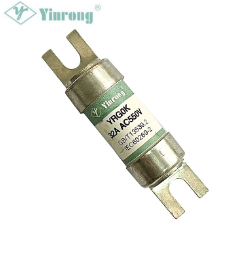
What Makes a High and Low Voltage HRC Fuse Important in Modern Power Systems?
An HRC fuse, also known as a high rupturing capacity fuse, is designed to interrupt high fault currents safely. I like this type of protection because it combines a simple structure with fast and reliable performance. In many industrial sites, electrical networks are becoming more demanding. Equipment runs longer, load changes are more frequent, and space inside electrical cabinets is often limited. Under these conditions, the fuse must do its job without adding unnecessary complexity.
A High and Low Voltage HRC Fuse is commonly used where dependable short-circuit and overload protection is required. Low voltage applications may include distribution panels, control cabinets, machinery systems, and motor circuits. High voltage applications may involve transformers, ring main units, switchgear, power stations, and medium-voltage distribution networks. Although the voltage level changes, the purpose remains the same. The fuse must protect the circuit quickly and safely when abnormal current appears.
From my point of view, the real value of an HRC fuse lies in three areas:
- It helps reduce the risk of severe equipment damage during short-circuit faults.
- It supports safer operation for maintenance teams and facility owners.
- It offers a cost-effective protection method without requiring complicated control systems.
For buyers, this is especially useful because fuse protection can be applied across many industries, including energy, manufacturing, construction, transportation, mining, data centers, and utility distribution.
Which Buyer Pain Points Can a High and Low Voltage HRC Fuse Solve?
When I speak with electrical buyers or project engineers, the same concerns often appear. They do not simply ask whether a fuse can work. They want to know whether it can work consistently, whether it can fit the system design, and whether it can reduce future maintenance pressure. A well-matched High and Low Voltage HRC Fuse can help solve several common pain points.
| Buyer Concern | Practical Risk | How the Right HRC Fuse Helps |
|---|---|---|
| Unstable circuit protection | Equipment may be exposed to fault current for too long | Fast interruption helps isolate the fault before wider damage occurs |
| Frequent downtime | Production lines or power systems may stop unexpectedly | Proper fuse selection reduces nuisance operation and improves system continuity |
| Limited cabinet space | Protection devices may be difficult to install or maintain | Compact fuse designs support efficient panel and switchgear layouts |
| High maintenance cost | Fault events may lead to expensive repair or replacement work | Reliable fault clearing helps protect downstream equipment |
| Unclear product matching | Wrong ratings may cause overheating or premature operation | Clear voltage, current, and breaking capacity selection improves compatibility |
This is why I never treat fuse selection as an afterthought. A low-cost protection component can influence the safety and reliability of the entire electrical system.
How Do I Evaluate the Key Advantages of a High and Low Voltage HRC Fuse?
When I compare fuse options, I do not look for exaggerated claims. I look for measurable and practical advantages. A good High and Low Voltage HRC Fuse should provide dependable performance under real operating conditions, not just look good on paper.
The main advantages I usually consider include:
- High breaking capacity that allows the fuse to interrupt large fault currents safely.
- Fast response speed that helps reduce thermal and mechanical stress on protected equipment.
- Stable current-carrying performance during normal operation.
- Reliable arc extinguishing structure that helps control the interruption process.
- Wide application range for power distribution, industrial systems, and electrical equipment protection.
- Simple replacement process that supports faster maintenance after fault clearing.
For me, the biggest advantage is balance. The fuse must be sensitive enough to respond to dangerous current, but stable enough not to operate during normal temporary load changes. That balance is what separates a dependable protection product from an ordinary one.
What Should I Check Before Selecting a High and Low Voltage HRC Fuse?
Selecting a fuse is not just about matching the rated current. I always check the full operating environment. A fuse that works well in one system may not be suitable for another. The load type, voltage level, fault current, installation method, ambient temperature, and coordination with other protection devices all matter.
Before choosing a High and Low Voltage HRC Fuse, I recommend reviewing the following points carefully:
- Rated voltage should match or exceed the system voltage.
- Rated current should suit the normal operating current of the circuit.
- Breaking capacity should be higher than the prospective short-circuit current.
- Fuse size and mounting type should match the holder, switchgear, or cabinet design.
- Application category should fit the protected equipment, such as transformer, motor, cable, or capacitor protection.
- Operating environment should be considered when temperature, humidity, vibration, or altitude may affect performance.
I also pay attention to coordination. In a well-designed electrical system, the fuse should operate selectively with upstream and downstream protection devices. This helps isolate only the faulty section instead of shutting down a larger area unnecessarily.
Is a High and Low Voltage HRC Fuse Suitable for Industrial Equipment Protection?
Yes, in many cases it is. Industrial equipment often faces harsh operating conditions, including starting current, load fluctuation, dust, heat, and long service hours. A properly selected fuse can help protect motors, drives, control panels, distribution boards, and machinery circuits from damaging fault currents.
I find HRC fuse protection especially useful in industrial environments because it is direct and dependable. Once a serious fault occurs, the fuse element melts and interrupts the current. There is no need for complex communication signals or external power. This makes the fuse a trusted protective component in many factories and workshops.
For industrial buyers, the product advantage is not only electrical safety. It also supports better maintenance planning. When a fuse operates, the maintenance team can inspect the related circuit, identify the fault, replace the fuse, and restore operation after proper checks. This process is usually straightforward compared with diagnosing more complicated protection failures.
How Can a High and Low Voltage HRC Fuse Support Power Distribution Safety?
Power distribution systems require consistent protection because faults may affect not only one machine but also an entire facility or service area. In distribution networks, a High and Low Voltage HRC Fuse can be used to protect transformers, cables, switchgear, and branch circuits. It helps limit fault energy and reduce the chance of wider damage.
In my view, distribution protection must focus on three things:
- Fast isolation so the fault does not spread further into the network.
- Reliable interruption so the device can safely clear the expected fault current.
- System coordination so only the affected circuit is disconnected whenever possible.
This is why fuse quality matters. A poor fuse may fail to interrupt safely, while an incorrectly selected fuse may operate too early or too late. Either problem can create unnecessary risk. A well-designed HRC fuse provides a practical protection layer for both low voltage and higher voltage distribution systems.
Which Applications Usually Need a High and Low Voltage HRC Fuse?
The application range is broad, but I usually see this type of fuse used in systems where safety, reliability, and quick fault clearing are important. Different projects may require different voltage levels, dimensions, and performance ratings, so the fuse should always be matched to the actual circuit design.
| Application Area | Common Protected Equipment | Main Protection Purpose |
|---|---|---|
| Industrial manufacturing | Motors, machinery panels, control cabinets | Protect equipment from overload and short-circuit damage |
| Power distribution | Switchgear, cables, distribution boards | Improve circuit safety and fault isolation |
| Transformer systems | Oil-immersed and dry-type transformers | Limit fault impact and protect transformer circuits |
| Renewable energy projects | Combiner boxes, inverters, auxiliary circuits | Support safe operation in changing load conditions |
| Commercial buildings | Main panels, sub-distribution systems | Provide dependable protection for electrical infrastructure |
For buyers who handle multiple project types, working with a supplier that understands both high voltage and low voltage fuse requirements can make product matching much easier.
Do Product Details Matter More Than the Lowest Price?
I understand why price matters. Every project has a budget, and purchasing teams need to control cost. However, when it comes to electrical protection, I never recommend choosing only by the lowest quotation. A fuse is installed to protect assets that may be worth thousands or even millions of dollars. Saving a little on the wrong component can create much larger losses later.
When I evaluate price, I connect it with technical value. A reliable High and Low Voltage HRC Fuse should offer stable materials, accurate ratings, suitable breaking capacity, and consistent manufacturing quality. These details help reduce hidden costs such as equipment failure, downtime, repeated replacement, and safety incidents.
Instead of asking only “how much does it cost,” I prefer to ask:
- Will this fuse match the real fault current level of my system?
- Will it operate correctly under normal load and abnormal fault conditions?
- Can it fit the existing fuse holder or switchgear design?
- Can the supplier support product selection for my application?
- Will this product reduce maintenance risk over time?
These questions lead to a better buying decision than price comparison alone.
Why Do I Consider Supplier Experience When Buying a High and Low Voltage HRC Fuse?
A fuse may look simple, but the selection process can be technical. I value suppliers that can communicate clearly about voltage rating, current rating, product structure, breaking capacity, installation requirements, and application matching. This is especially important for contractors, distributors, and overseas buyers who need products that fit local electrical standards and project expectations.
Zhejiang Galaxy Fuse Co., Ltd. focuses on fuse protection products for electrical systems, and that specialization matters to me. A focused manufacturer is more likely to understand different circuit protection scenarios, from industrial low voltage panels to higher voltage distribution applications. When a buyer needs a High and Low Voltage HRC Fuse, technical communication can be just as important as production capacity.
I also prefer suppliers that support practical purchasing needs, such as:
- Clear product specifications for easier model selection.
- Consistent product quality for repeat orders.
- Application guidance for different electrical protection scenarios.
- Responsive communication during inquiry and procurement.
- Flexible support for distributors, contractors, and project buyers.
Good support reduces mistakes. In fuse selection, fewer mistakes mean safer systems and smoother project delivery.
How Can I Make a Smarter Inquiry for a High and Low Voltage HRC Fuse?
When I send an inquiry, I try to provide enough technical information from the beginning. This helps the supplier recommend a suitable model faster and reduces back-and-forth communication. A vague inquiry often leads to delays because the supplier has to ask for basic details again.
For a clear inquiry, I usually include:
- System voltage and frequency.
- Rated current requirement.
- Expected short-circuit current or breaking capacity requirement.
- Application type, such as transformer, motor, cable, capacitor, or distribution protection.
- Installation method, fuse holder type, or switchgear model if available.
- Quantity, destination market, and delivery expectations.
- Any required drawings, datasheets, or certification needs.
This approach makes the buying process more efficient. It also allows the supplier to check whether the selected fuse can meet the actual operating conditions instead of simply matching a basic model number.
What Is My Final View on Choosing a High and Low Voltage HRC Fuse?
If I had to summarize my view, I would say that fuse selection deserves more attention than many buyers give it. A High and Low Voltage HRC Fuse is small compared with transformers, switchgear, and production equipment, but its role is critical. It helps control fault current, protect valuable assets, improve electrical safety, and support stable system operation.
For buyers who care about long-term reliability, I would not treat the fuse as a simple accessory. I would treat it as part of the protection strategy. The right product should match the voltage level, current rating, breaking capacity, installation design, and application environment. The right supplier should also understand how to help buyers avoid selection mistakes.
If you are planning a new electrical project, replacing existing fuse protection, or looking for a dependable supplier for distribution and industrial applications, Zhejiang Galaxy Fuse Co., Ltd. can support your selection with practical product knowledge and responsive service. Leave your inquiry today or contact us to discuss the right High and Low Voltage HRC Fuse solution for your system.