

Article Summary
An electrical micro switch mini switch for car applications is a compact electromechanical component that changes its contact state when a mechanical actuator reaches a defined operating position. It can support position detection, interlocking, and control functions in suitable automotive assemblies.This guide explains how miniature switches work, where they may be used, which specifications matter most, how to avoid common selection errors, and how to evaluate quality before purchasing. It also outlines practical installation, testing, and maintenance considerations to help manufacturers and buyers make better-informed decisions.
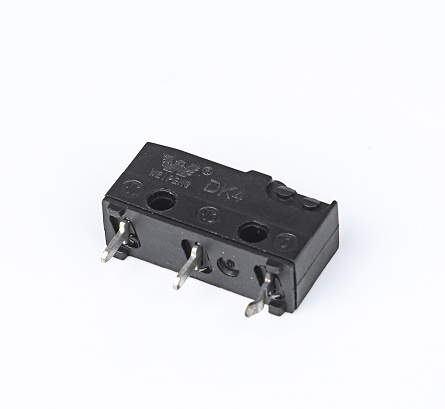
1. Understanding Automotive Mini Micro Switches
A micro switch is a mechanical electrical switch designed to change contact states through a relatively small actuator movement. Many designs use a snap-action mechanism, allowing the internal contacts to change state quickly once the actuator reaches its operating point.
The term electrical micro switch mini switch for car generally describes a compact switch intended for integration into automotive equipment or vehicle-related assemblies. The exact design varies by model, so the name alone does not establish its current rating, environmental resistance, or suitability for a particular vehicle system.
How Does a Micro Switch Work?
When an external component presses a button, lever, or roller actuator, the switch mechanism moves between defined contact states. Depending on the configuration, this action can open or close an electrical circuit, send a signal to a control unit, or indicate that a mechanism has reached a particular position.
- Actuator: Receives mechanical movement from the surrounding assembly.
- Spring mechanism: Supports the switching action and provides a defined operating response.
- Electrical contacts: Establish or interrupt the conductive path.
- Housing: Supports the internal mechanism and provides a level of mechanical and environmental protection appropriate to the design.
- Terminals: Connect the switch to the circuit through the specified wiring or mounting method.
The advantage of this design is its compact construction and repeatable mechanical response. However, a miniature switch should always be selected according to the actual load, switching frequency, actuator movement, and environment in which it will operate.
2. Common Automotive Applications
Compact switches can support a variety of vehicle-related functions. Their suitability depends on the electrical load, mechanical design, environmental conditions, and any safety requirements associated with the application.
Position Detection and Interlocking
A micro switch can detect whether a movable component has reached a defined position. Depending on the vehicle design, potential applications include access-panel mechanisms, compartment latches, and selected mechanical interlocks. The switch signal may help a controller determine whether a mechanism is open, closed, engaged, or released.
Interior Controls and Auxiliary Equipment
Miniature switches may be integrated into interior mechanisms, auxiliary equipment, and compact control assemblies where installation space is limited. Their small dimensions can simplify packaging, provided the actuator geometry and electrical interface match the equipment design.
Charging Equipment and Automotive Accessories
Some charging-related equipment, vehicle accessories, and service devices use micro switches for cover detection, mechanical positioning, or control functions. In these cases, the switch must be matched to the equipment's actual circuit and environmental requirements rather than selected solely because it is marketed for automotive use.
Vehicle-Related Industrial Equipment
Automotive manufacturing and maintenance equipment can also use miniature switches for fixture positioning, machine interlocking, and end-of-travel detection. These applications may impose different electrical and mechanical demands from those encountered inside a passenger vehicle.
3. Key Selection Criteria for Automotive Mini Switches
Choosing the right switch begins with understanding the operating requirements of the complete assembly. Evaluating the following factors helps reduce compatibility problems, premature wear, and unnecessary replacement costs.
1. Electrical Rating and Load Type
Check the rated voltage, current, load category, and switching conditions. Resistive loads, inductive loads, lamps, and motors can place different demands on contacts. Inrush current and electrical arcing may shorten contact life when the switch is not designed for the application.
For low-voltage automotive circuits, confirm that the supplier provides ratings relevant to the intended DC circuit. An AC rating alone should not be assumed to establish an equivalent DC switching capability.
2. Dimensions and Mounting Compatibility
Measure the available installation space, mounting-hole locations, housing clearance, terminal orientation, and actuator position. A switch that is electrically suitable can still fail to fit if its body or lever interferes with surrounding components.
3. Operating Force and Travel
Operating force determines how much mechanical force is required to activate the switch. Pretravel, operating position, release position, and permissible overtravel determine how the switch interacts with the mechanism. A mismatch may cause missed operations, excessive actuator stress, or continuous mechanical pressure.
4. Contact Configuration
Determine whether the circuit requires normally open (NO), normally closed (NC), or changeover contacts. Confirm terminal identification and the contact state at the specified reference position. Never assume that every three-terminal switch uses the same terminal arrangement.
5. Mechanical and Electrical Life
Mechanical life describes switching operations under specified mechanical test conditions, while electrical life is evaluated under specified electrical loads. These figures are not interchangeable. Request the applicable test conditions, especially when the switch operates frequently or switches a demanding load.
6. Temperature and Environmental Protection
Consider the temperatures encountered during normal operation, cold starts, parking in hot weather, and proximity to heat-producing equipment. Also evaluate exposure to dust, moisture, cleaning fluids, oil, and vibration. Select an appropriate protection level for the actual installation.
4. Comparing Important Specifications Before Purchase
A specification comparison helps engineering teams and buyers evaluate candidate switches consistently. Use the table below as a purchasing checklist rather than as a statement of specifications for every miniature automotive switch.
| Specification | What to Check | Why It Matters |
|---|---|---|
| Electrical rating | Rated voltage, current, load type, and DC/AC conditions | Helps prevent contact damage and electrical failure. |
| Body dimensions | Length, width, height, mounting features, and clearance | Ensures the switch fits the intended assembly. |
| Contact arrangement | NO, NC, or changeover configuration | Supports correct circuit operation. |
| Operating force | Required force and permitted force tolerance | Reduces missed triggering and mechanical stress. |
| Operating travel | Operating point, release point, and overtravel limits | Helps ensure reliable actuation throughout the mechanism's movement. |
| Service life | Mechanical and electrical life under stated test conditions | Supports realistic maintenance and replacement planning. |
| Temperature range | Specified minimum and maximum operating temperatures | Helps prevent performance changes or material degradation. |
| Protection level | Documented ingress protection and environmental limitations | Helps assess exposure to dust and moisture. |
| Quality documentation | Applicable test reports, approvals, and traceability records | Supports supplier evaluation and production consistency. |
When comparing suppliers, request the current datasheet for the exact model number. If the switch is part of a regulated or safety-related automotive system, confirm the additional qualification, validation, and traceability requirements with the responsible engineering team.
5. Improving Reliability in Challenging Automotive Environments
Vehicles experience conditions that are difficult for many small electromechanical components. A well-selected switch must function consistently within the limits established by its design and qualification tests.
Vibration and Mechanical Shock
Continuous vibration can loosen mounting hardware, fatigue terminals, or affect the relationship between the actuator and the surrounding mechanism. Confirm the mounting method, terminal retention, and vibration performance. The completed assembly should also be evaluated because housing resonance and mounting geometry can influence the actual loads on the switch.
Temperature Changes
Temperature affects plastics, springs, contact materials, and lubricant properties. Verify that the specified operating range covers both the component's normal environment and credible temperature extremes. Where the installation is close to a powertrain or heat source, measure or calculate the local temperature instead of relying on cabin ambient conditions.
Dust, Moisture, and Corrosion
Contamination can affect moving mechanisms and electrical contacts. Where moisture or dust exposure is expected, evaluate the switch's documented ingress protection and the sealing of the complete installation. A protection rating should not be assumed to guarantee resistance to every fluid, chemical, or immersion condition.
Contact Wear and Electrical Noise
Repeated switching can wear contacts, while unsuitable loads can increase arcing. For electronic position sensing, contact bounce may also need to be considered by the circuit designer. Depending on the control architecture, suitable signal conditioning or software filtering may help, but it cannot compensate for a fundamentally unsuitable switch.
6. Installation and Maintenance Best Practices
Correct installation is essential for achieving the expected performance of an electrical micro switch mini switch for car applications.
- Confirm the part number. Check the datasheet, terminal layout, contact arrangement, and revision before installation.
- Inspect the mounting surface. Remove debris and check that the mounting points provide stable support without distorting the housing.
- Align the actuator carefully. Ensure that the external mechanism activates the switch within its specified operating travel and does not exceed the permitted overtravel.
- Use the specified connection method. Follow the manufacturer's instructions for soldering, crimping, terminals, wiring, and strain relief. Excessive heat or cable tension may damage the component.
- Check the electrical circuit. With the equipment safely isolated, verify terminal connections and the intended contact states before energizing the assembly.
- Perform functional testing. Test repeated operations and confirm that the mechanism changes state consistently throughout its intended movement.
- Inspect during scheduled maintenance. Look for loose mounts, damaged wires, contamination, abnormal wear, and changes in actuation behavior.
Switches used in safety-related systems require maintenance and validation procedures appropriate to that system. Do not bypass a safety interlock or continue operating equipment when a switch fault could create a hazard.
7. Common Purchasing Mistakes and How to Avoid Them
Choosing by Size Alone
A compact housing may fit the available space, but dimensions alone do not establish electrical compatibility or operating life. Compare the complete specification, including actuator geometry, contact arrangement, and load rating.
Assuming All Micro Switches Are Interchangeable
Switches with similar appearances may have different terminal assignments, operating forces, travel characteristics, and internal mechanisms. Verify the exact model and conduct a compatibility assessment before approving a substitute.
Ignoring the Difference Between AC and DC Ratings
Switching behavior depends on the electrical load and circuit conditions. A rating specified for AC cannot automatically be applied to a DC circuit, particularly when inductive loads or significant inrush currents are involved.
Overlooking Environmental Requirements
A switch intended for a protected enclosure may not withstand direct exposure to water, road contamination, or harsh cleaning agents. Determine the actual exposure and select a model with documented, suitable protection.
Failing to Test Production Samples
Even when specifications appear suitable, sample testing can reveal mounting conflicts, actuator mismatch, wiring difficulties, or unexpected behavior. Validate samples in the intended assembly before moving to volume production.
8. How to Evaluate a Micro Switch Supplier
Reliable component sourcing involves more than comparing unit prices. A supplier should be able to explain the product's specifications, manufacturing controls, and suitability for the intended application.
When evaluating manufacturers such as WEIPENG, buyers can begin with the following questions:
- Product documentation: Is a detailed datasheet available for the exact model, including electrical ratings, dimensions, operating characteristics, and environmental limits?
- Quality controls: Can the supplier explain its inspection procedures, production consistency controls, and product traceability arrangements?
- Application support: Can technical staff help assess actuator design, terminal configuration, mounting requirements, and load compatibility?
- Customization: Are alternative terminals, actuator styles, mounting arrangements, or other design variations available when the application requires them?
- Testing and approvals: Can the supplier provide relevant reports and evidence for the certifications or customer-specific requirements that apply to the selected model?
- Supply continuity: Can the manufacturer communicate lead times, production capacity, change-control procedures, and arrangements for repeat orders?
For automotive projects, request the evidence required by your organization's supplier approval process. Do not assume that a component is automotive-qualified merely because it is described as a car switch. Qualification requirements depend on the intended application and customer specifications.
Buyers can review the available product information on the WEIPENG official website and discuss model-specific requirements with the supplier before placing a production order.
9. Frequently Asked Questions
Q1: What is an electrical micro switch mini switch for car applications?
It is a compact electromechanical switch used to detect mechanical movement or change an electrical contact state. Depending on its design and ratings, it may be suitable for selected vehicle mechanisms, accessories, control assemblies, and automotive-related equipment.
Q2: How do I choose the correct mini switch for a vehicle project?
Start with the operating voltage, current, load type, contact configuration, dimensions, operating force, travel, and environmental conditions. Then verify the manufacturer's specifications and test the selected switch in the intended assembly.
Q3: Can a standard micro switch be used in a car?
Not automatically. A general-purpose switch may lack the environmental protection, temperature capability, vibration resistance, or electrical ratings needed for a particular vehicle application. Confirm the specific model's suitability before use.
Q4: Are miniature micro switches suitable for low-voltage DC circuits?
Some are, but suitability depends on the manufacturer's DC rating, switching current, load characteristics, and circuit conditions. An AC rating alone is insufficient to confirm safe and reliable DC operation.
Q5: What is the difference between NO and NC contacts?
Normally open contacts are open in the specified unactuated reference state and close when actuated. Normally closed contacts are closed in that reference state and open when actuated. Always check the manufacturer's definition and wiring diagram for the selected model.
Q6: How can I extend the service life of a mini micro switch?
Use a switch with suitable electrical ratings, maintain correct actuator alignment, stay within the permitted operating travel, protect it from unsuitable contamination, and follow the specified installation procedure. Representative life testing can help establish realistic maintenance intervals.
Q7: Does a waterproof micro switch guarantee complete protection against moisture?
No. Protection depends on the documented ingress protection rating, test conditions, installation, connectors, wiring, and exposure. Check whether the specified protection level covers the actual conditions in the finished assembly.
Q8: What information should I provide when requesting a quotation?
Provide the required quantity, intended application, electrical load, operating voltage, contact configuration, dimensions, actuator requirements, operating temperature, environmental exposure, and any applicable qualification or certification requirements. A reference drawing or existing part number can also help clarify compatibility.
Q9: Should I test samples before ordering in bulk?
Yes. Sample validation helps confirm dimensional fit, terminal compatibility, actuation behavior, electrical performance, and suitability for the intended environment. For demanding applications, define acceptance criteria and test conditions before approving mass production.
10. Final Thoughts: Make the Right Switch Selection
Selecting an electrical micro switch mini switch for car applications requires a balanced assessment of electrical performance, mechanical compatibility, durability, environmental protection, and supplier support. Although the component is small, an unsuitable choice can cause intermittent signals, premature wear, assembly difficulties, or avoidable maintenance costs.
By reviewing detailed specifications, checking the intended load, validating mounting and actuator movement, and testing samples under realistic conditions, engineering teams can reduce uncertainty and build more dependable assemblies. Working with a supplier that can provide clear technical documentation and responsive application support also helps streamline sourcing and product development.
Looking for a Suitable Mini Micro Switch for Your Automotive Project?
Finding the right switch starts with understanding your electrical, mechanical, and environmental requirements. WEIPENG provides micro switch product information for buyers and engineers evaluating compact switching solutions.
Visit the WEIPENG website to explore available products and discuss your application requirements. If you need help identifying a suitable model, comparing specifications, or requesting a quotation, contact us with your technical requirements to start the conversation.