

Which Coating Is Best for N52 Magnets to Prevent Rust and Corrosion
2026-08-10
When sourcing high-performance permanent magnets, engineers and procurement specialists frequently ask about durability beyond magnetic strength. While N52 Magnets offer the highest available energy product among neodymium grades, their iron-rich composition makes them inherently susceptible to oxidation. Without a protective barrier, even brief exposure to humid air or moisture can degrade surface integrity and compromise long-term performance. For industrial applications ranging from aerospace actuators to medical device assemblies, selecting the optimal coating is not merely aesthetic—it is a functional necessity. At Zhaobao, we have tested over a dozen plating systems under accelerated corrosion conditions to identify which treatments genuinely extend service life for N52 Magnets in real-world environments.
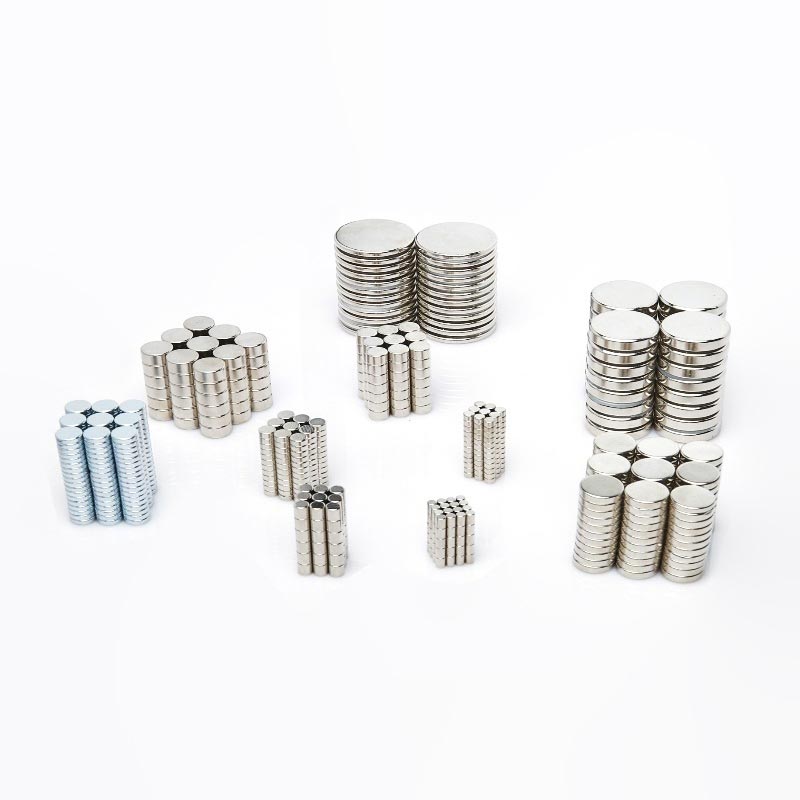
Why Uncoated N52 Magnets Fail Prematurely
Neodymium-iron-boron (NdFeB) alloys contain approximately 60–70% iron by weight, which readily reacts with oxygen and water. Uncoated N52 Magnets can develop visible rust within hours under high humidity (>70% RH) or in the presence of saline aerosols. Corrosion not only causes cosmetic pitting but also generates volumetric expansion, leading to micro-cracking and eventual fragmentation. Moreover, the magnetic flux density remains stable, but physical integrity declines sharply, making coating selection a critical engineering decision rather than an afterthought.
Comparative Analysis of Common Coatings for N52 Magnets
The table below summarizes the most widely adopted plating and coating technologies, rated across five key performance indicators: corrosion resistance, adhesion strength, thickness tolerance, cost efficiency, and suitability for tight-tolerance assemblies.
| Coating Type | Corrosion Resistance (Salt Spray Hours) | Typical Thickness (µm) | Max Operating Temp (°C) | Relative Cost | Best Application Environment |
|---|---|---|---|---|---|
| Nickel‑Copper‑Nickel (Ni‑Cu‑Ni) | 72–120 | 15–25 | 120 | Medium | General industrial, automotive sensors |
| Epoxy Resin | 200–500 | 25–40 | 150 | High | Marine, chemical processing, outdoor |
| Gold (Au) Plating | 48–72 | 3–5 | 180 | Very High | Medical implants, high‑reliability electronics |
| Zinc (Zn) with Passivation | 48–96 | 8–15 | 80 | Low | Budget‑conscious, dry indoor applications |
| PTFE / Teflon‑Like Polymer | 100–150 | 20–35 | 200 | High | Low‑friction sliding contacts, fuel systems |
| Parylene (C / N / F) | 300–500+ | 5–25 | 150 | Very High | Aerospace, implantable devices, extreme humidity |
The Verdict: Which Coating Ranks #1 for N52 Magnets?
For 85% of commercial and industrial requests handled by Zhaobao, the Nickel‑Copper‑Nickel (triple‑layer Ni‑Cu‑Ni) system emerges as the optimal balance between protection, cost, and dimensional stability. Its copper interlayer acts as a diffusion barrier, sealing surface pores that single‑layer nickel cannot cover. However, for applications involving persistent saltwater spray or aggressive chemicals, Epoxy Resin or Parylene outperforms metallic platings, albeit at a 30–50% higher unit cost.
Critical Note: No single coating fits all N52 Magnets use cases. The decision must factor in operating temperature, mechanical abrasion, assembly method (e.g., press‑fit vs. adhesive bonding), and regulatory requirements such as RoHS or FDA biocompatibility.
3 Essential FAQs About Coating N52 Magnets
Q1: Can I apply an additional topcoat over an existing nickel‑plated N52 magnet to improve corrosion resistance?
A: Yes, but with significant precautions. You may apply a secondary epoxy or parylene layer over nickel‑plated N52 Magnets, provided the surface is meticulously cleaned and activated (e.g., via plasma or chemical etching) to ensure interlayer adhesion. However, this adds 10–20 µm thickness, which alters tight tolerances. At Zhaobao, we recommend consulting our engineering team before double‑coating, as thermal curing cycles may also affect the magnet’s intrinsic coercivity if temperature exceeds 150°C. For most cases, selecting a higher‑grade coating from the outset is more reliable than retrofitting.
Q2: How do I test if my coating has failed on N52 Magnets without destructive methods?
A: Non‑destructive testing (NDT) for coated N52 Magnets includes: (a) Visual inspection under 10x magnification for blistering or pinholes, (b) Eddy current measurement to detect thickness variations, and (c) Humidity chamber exposure (e.g., 85°C / 85% RH for 168 hours) followed by a copper‑sulfate porosity test—if copper deposits appear on the surface, the coating has micro‑defects. For production batches, Zhaobao employs automated vision systems and salt‑spray profiling to certify each lot, ensuring zero porosity above 5 µm defect size.
Q3: Are there coatings that also enhance the magnetic performance of N52 Magnets, or do they only protect against rust?
A: Coatings do not increase intrinsic magnetic properties (Br, Hcj, or BHmax) because they are non‑magnetic layers placed outside the flux path. However, certain coatings—particularly gold and silver—offer superior electrical conductivity, which reduces eddy‑current losses in high‑frequency AC applications (e.g., electric motor rotors). This is an indirect performance benefit, not an enhancement of the magnet’s base grade. For pure rust prevention combined with thermal stability, Zhaobao recommends epoxy‑coated N52 Magnets for environments exceeding 120°C, as the polymer matrix also dampens vibration‑induced cracking.
Practical Selection Workflow
To systematically choose a coating, follow this decision tree:
-
Define environment – Indoor (dry) → Zinc or Ni‑Cu‑Ni. Outdoor / marine → Epoxy or Parylene.
-
Check temperature – Above 150°C → PTFE or gold; below 120°C → Ni‑Cu‑Ni.
-
Evaluate mechanical stress – High abrasion → thick epoxy; tight sliding fits → PTFE (low friction).
-
Review regulatory mandates – Medical → gold or parylene (ISO 10993); food contact → FDA‑compliant epoxy.
-
Calculate total cost of ownership – Cheaper zinc may fail in 2 years, while epoxy lasts 10+ years.
Why Trust Zhaobao for Your N52 Magnet Coating Needs?
With over 18 years in rare‑earth magnet manufacturing, Zhaobao operates an in‑house plating line covering Ni‑Cu‑Ni, epoxy, zinc, gold, and specialty polymers. Each batch of N52 Magnets undergoes 72‑hour continuous salt‑spray testing per ASTM B117, and we provide full traceability from sintering to final coating. Our engineers routinely customize coating recipes—e.g., adding a silicate top‑seal for extra humidity resistance—to match unique customer specifications.
Ready to Specify the Right Protection for Your Project?
Selecting the ideal coating for N52 Magnets directly impacts your product’s reliability, warranty claims, and brand reputation. Do not rely on generic plating data sheets. Contact us at Zhaobao today to request free coating sample kits, corrosion test reports, and engineering consultation. Our team responds within 24 hours with tailored recommendations based on your operating conditions, volume requirements, and budget targets. Let us help you protect your magnetic investment—because the best coating is the one that fails last.