

What Testing Procedures Are Crucial for a Production-Ready Bluetooth Tracker PCBA
2026-01-26
Bringing a Bluetooth Tracker PCBA Design from prototype to mass production is a critical leap. At Hi Tech, we understand that rigorous testing is the bridge between a functional design and a reliable, market-ready product. A robust testing protocol not only validates performance but also safeguards your brand reputation by ensuring every unit meets stringent quality standards. This blog outlines the crucial testing procedures that define a production-ready Bluetooth Tracker PCBA.
A comprehensive testing regime spans from the individual board to the complete assembled unit. The following phases are non-negotiable for a quality-assured product.
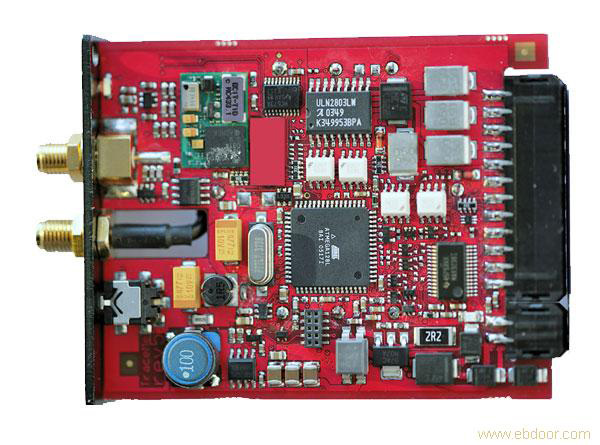
Crucial Testing Phases for Your Bluetooth Tracker PCBA:
-
In-Circuit Test (ICT): This automated test verifies the correctness of the PCB assembly. It checks for shorts, opens, resistance, capacitance, and basic functionality of individual components, ensuring no manufacturing defects.
-
Firmware & Functional Validation: This test flashes the final firmware and validates core Bluetooth Tracker PCBA Design functionalities, including Bluetooth pairing, signal strength, button responses, and LED indicators.
-
RF (Radio Frequency) Performance Testing: Critical for connectivity, this measures transmit power, receiver sensitivity, and antenna efficiency to guarantee the tracker’s operational range meets specifications.
-
Environmental Stress Screening (ESS): Boards undergo temperature cycling and humidity tests to identify early-life failures and ensure durability under various conditions.
-
Battery Life & Power Management Profiling: This test meticulously measures current consumption in different operational modes (active, sleep, advertising) to validate predicted battery life.
Bluetooth Tracker PCBA Design FAQ
Q: How is RF performance tested without expensive anechoic chambers?
A: While chambers are ideal, certified Hi Tech engineers utilize calibrated RF conducted testing and near-field probing techniques. We correlate these results with radiated measurements to ensure cost-effective and accurate validation of every production batch against regulatory limits.
Q: What is the most common failure caught during PCBA testing?
A: Solder-related issues, such as cold solder joints or bridging, are frequently identified during ICT and visual inspection. Additionally, firmware-related functional bugs and sub-optimal RF performance due to component tolerance stacking are key targets of our testing protocols.
Q: Can we skip certain tests for a low-cost tracker design?
A: Omitting core tests like RF validation or power profiling is a high-risk strategy. It often leads to field failures, product returns, and compliance issues. Hi Tech advocates for a tailored, efficient test plan that covers all critical parameters without unnecessary overhead, protecting your long-term brand equity.
The Path to a Flawless Product Launch
A thorough testing strategy is an investment, not an expense. It de-risks your manufacturing run and delivers a consistent, reliable product to your end-users. At Hi Tech, we integrate these crucial Bluetooth Tracker PCBA Design testing procedures into our development workflow, ensuring seamless transition from design to dependable volume production.
Ready to transform your Bluetooth tracker concept into a robust, market-ready device? Contact our engineering team at Hi Tech today to discuss your project and our comprehensive design-for-manufacturing and testing services.