

What Safety Standards Apply to Oil Immersed Transformer Installations
2026-03-18
When planning high-voltage power distribution, understanding the safety standards that apply to an Oil Immersed Transformer is critical for protecting both personnel and equipment. At Wzonpa, we emphasize that adherence to these regulations is not just a legal formality but a cornerstone of operational reliability. Failure to comply can lead to catastrophic failures, environmental hazards, and significant downtime. This guide breaks down the specific codes and practices you need to follow to ensure your Oil Immersed Transformer setup is fully compliant and safe.
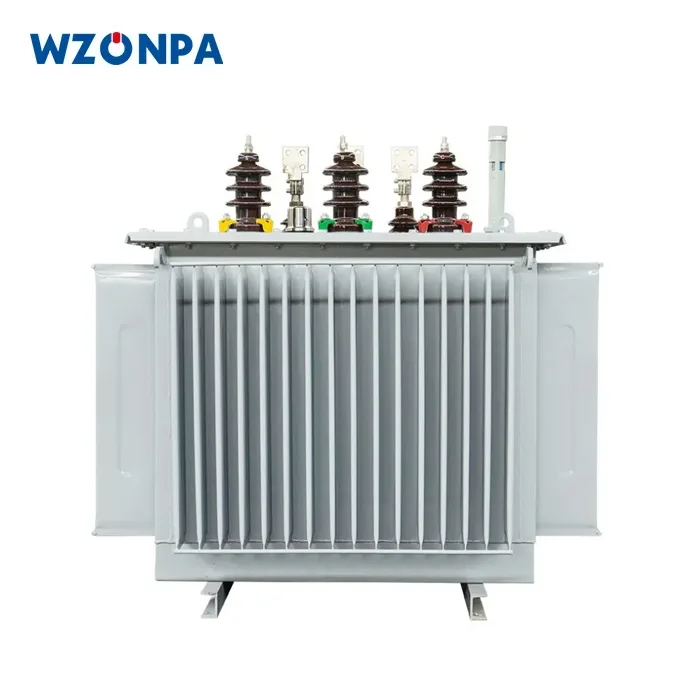
Core Regulatory Bodies and Key Standards
Transformer safety is governed by international and regional bodies that dictate everything from design to fire protection. Below is a table outlining the most influential standards affecting Oil Immersed Transformer installations today.
| Standard Designation | Governing Body | Scope and Application in Installations |
|---|---|---|
| IEEE C57.12.00 | IEEE | General requirements for liquid-immersed distribution and power transformers. |
| IEC 60076 | IEC | International standards for power transformers, including cooling and markings. |
| NFPA 70 (NEC) | NFPA (US) | Article 450 covers transformer vaults, ventilation, and location restrictions. |
| NFPA 850 | NFPA (US) | Recommended practice for fire protection in electric generating plants. |
| OSHA 29 CFR 1910 | OSHA (US) | Workplace safety regarding electrical hazards and access to energized equipment. |
Key Safety Requirements for Installation
When installing an Oil Immersed Transformer, the physical setup is just as important as the electrical connections. Proper spacing, containment, and ventilation are non-negotiable requirements found in most safety standards.
1. Fire Safety and Containment
Because units contain combustible insulating oil, standards like NFPA 70 mandate specific clearances from building walls and other equipment.
-
Containment: Installations must include oil containment pits or curbing to prevent spilled oil from spreading in the event of a rupture.
-
Fire Walls: Transformers located indoors or near combustibles often require fire-rated walls.
2. Ventilation and Cooling
An Oil Immersed Transformer relies on airflow to dissipate heat. Safety standards dictate that ventilation systems must:
-
Prevent the accumulation of flammable vapors.
-
Remove heat generated at full load.
-
Inlet and outlet ducts must be sized correctly to maintain ambient temperature limits.
3. Grounding and Clearance
Proper grounding ensures that in the event of a fault, current has a safe path to the earth, protecting technicians. Standards such as IEEE 80 define mesh voltages and step-and-touch potential limits around the Oil Immersed Transformer pad.
Why Compliance with Safety Standards Matters
Adhering to established safety standards ensures that your Oil Immersed Transformer operates within its designed thermal limits and that any arc-flash hazards are minimized. Wzonpa recommends conducting a periodic audit of your installation against the latest IEEE and IEC updates to identify potential risks before they escalate into emergencies.
Oil Immersed Transformer FAQ
Q1: What is the minimum distance required between an Oil Immersed Transformer and a building wall?
A1: The required distance varies based on the specific standard and the transformer's size. Generally, for units containing less than 50 gallons of oil, a 5-foot separation from combustible walls is often sufficient under NEC guidelines. However, for larger units, or if the wall is a fire barrier, the distance must be increased, or a fire-rated wall must be constructed. Always consult the local code authority having jurisdiction, as they may have stricter requirements than the base standard.
Q2: Do I need a special foundation or barrier for an Oil Immersed Transformer outdoors?
A2: Yes. Outdoor installations require a non-combustible foundation, typically concrete. More importantly, safety standards require an oil containment system. This usually involves a concrete curb around the transformer pad with a drain leading to an oil-water separator or a gravel-filled pit beneath the unit. This prevents insulating oil from seeping into the groundwater or running off into storm drains in case of a leak.
Q3: What type of fire suppression system is required for an indoor Oil Immersed Transformer?
A3: Indoor installations are high-risk and often require an automatic fire suppression system. While water spray systems are effective, they can cause significant damage to surrounding equipment. Many modern installations use clean agent systems or high-foam applications specifically designed for Class B (flammable liquid) fires. The transformer vault itself must also have a fire-resistance rating of at least 3 hours, as specified by standards like NFPA 70.
Conclusion: Ensuring Your Installation is Up to Code
Navigating the complex landscape of safety standards for an Oil Immersed Transformer requires expertise and attention to detail. From proper oil containment to correct grounding practices, every element plays a vital role in system longevity and human safety. Wzonpa is dedicated to providing equipment and guidance that meets the highest industry benchmarks.
Is your current infrastructure compliant with the latest IEEE and IEC updates?
Contact us today for a professional consultation and ensure your Oil Immersed Transformer installations are built to last and safe to operate.