

What Safety Standards Apply to a 12A AC Operated Contactor
2026-02-05
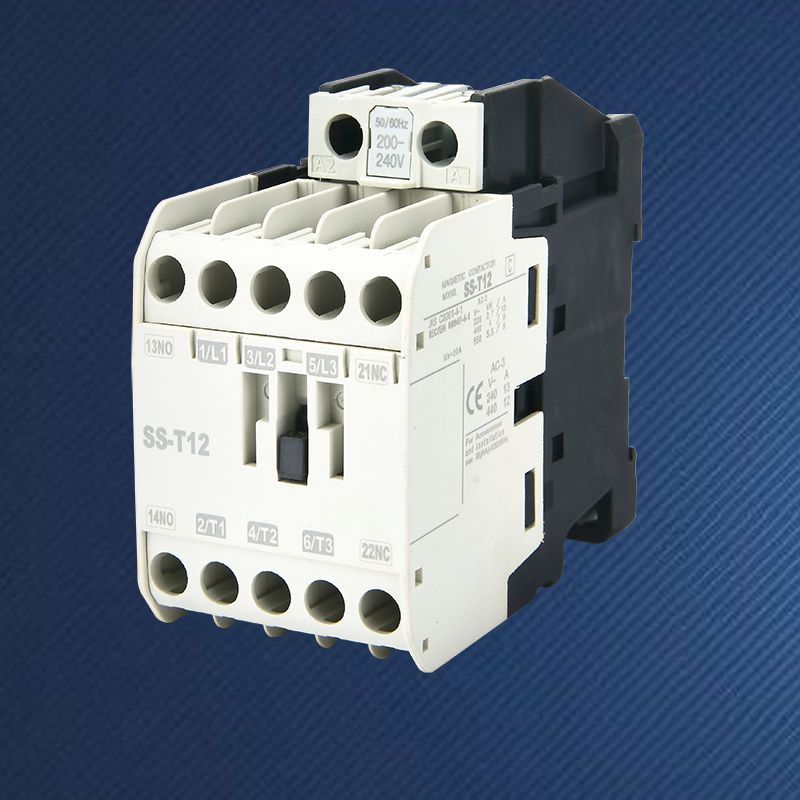
When integrating a 12A AC Operated Contactor into any electrical control system, ensuring safety and reliability is paramount. Selecting a component that meets rigorous international safety standards is not just a recommendation—it’s a necessity for protecting personnel, equipment, and ensuring long-term operational integrity. At SPX, we engineer our contactors with a foundational commitment to these standards, providing our clients with confidence and peace of mind. This blog outlines the key safety certifications and requirements applicable to a 12A AC Operated Contactor.
Key International Safety Standards
A reputable 12A AC Operated Contactor must comply with several critical standards, which validate its design, manufacturing quality, and performance under specified electrical conditions. The most significant standards include:
-
IEC/EN 60947-4-1: This is the core international standard for low-voltage contactors and motor-starters. It specifies requirements for operational performance, dielectric properties, and endurance.
-
UL 508: The standard for industrial control equipment in North America, ensuring safety for components used in industrial manufacturing applications.
-
CE Marking: Indicates conformity with health, safety, and environmental protection standards for products sold within the European Economic Area.
Comparison of Standard Key Requirements
The table below summarizes the primary focus of each major standard applicable to a 12A AC Operated Contactor:
| Standard | Primary Geographic Scope | Key Focus Areas |
|---|---|---|
| IEC/EN 60947-4-1 | International / Europe | Electrical endurance, mechanical durability, temperature rise, clearance & creepage distances. |
| UL 508 | North America | Overload protection, fire hazard prevention, and safety for industrial control panels. |
| CE Marking | Europe | Comprehensive compliance with EU directives for safety and electromagnetic compatibility (EMC). |
12A AC Operated Contactor FAQ
Q: Can a 12A AC Operated Contactor be used for DC loads?
A: No, it is not recommended. Contactors designed specifically for AC operation, like the SPX models, have coils and contact structures optimized for alternating current. Using them on DC circuits can cause arc suppression issues, premature contact welding, and coil burnout due to different electromagnetic properties.
Q: What is the significance of the utilization category (e.g., AC-3) on a contactor?
A: The utilization category, defined by standards like IEC 60947, specifies the type of load the 12A AC Operated Contactor is designed to switch. For example, AC-3 is for squirrel-cage motors (starting and switching off during running). Choosing the correct category ensures the contactor has the right electrical and mechanical endurance for your specific application.
Q: How often should a 12A AC Operated Contactor be maintained?
A: Maintenance intervals depend on the operating environment and cycle frequency. Under normal conditions, a visual inspection for dust, signs of overheating, and contact erosion every 6-12 months is advisable. SPX contactors are built for durability, but regular checks ensure continued safe operation and adherence to safety standards over the product's lifetime.
Choosing a 12A AC Operated Contactor that is fully certified to these global standards mitigates risk and ensures system safety. SPX designs and manufactures every contactor with strict adherence to IEC, UL, and CE requirements, delivering components you can trust for critical applications. Our expertise ensures that your investment is safeguarded by robust engineering and certified quality.
Contact us today to discuss your project requirements and learn how our certified SPX 12A AC Operated Contactor solutions can enhance the safety and reliability of your electrical systems.