

What Safety Precautions Should You Take When Using a DC High Voltage Module
2026-09-23
Working with a DC High Voltage Module requires more than technical skill; it demands discipline, correct equipment, and a healthy respect for stored energy. At DeFa, we have supported engineers, researchers, and industrial teams for years, and we have seen how a single lapse in procedure can turn a routine test into a serious incident. This guide explains the precautions that matter most when operating a DC High Voltage Module, from grounding and insulation to personal protective equipment and emergency response.
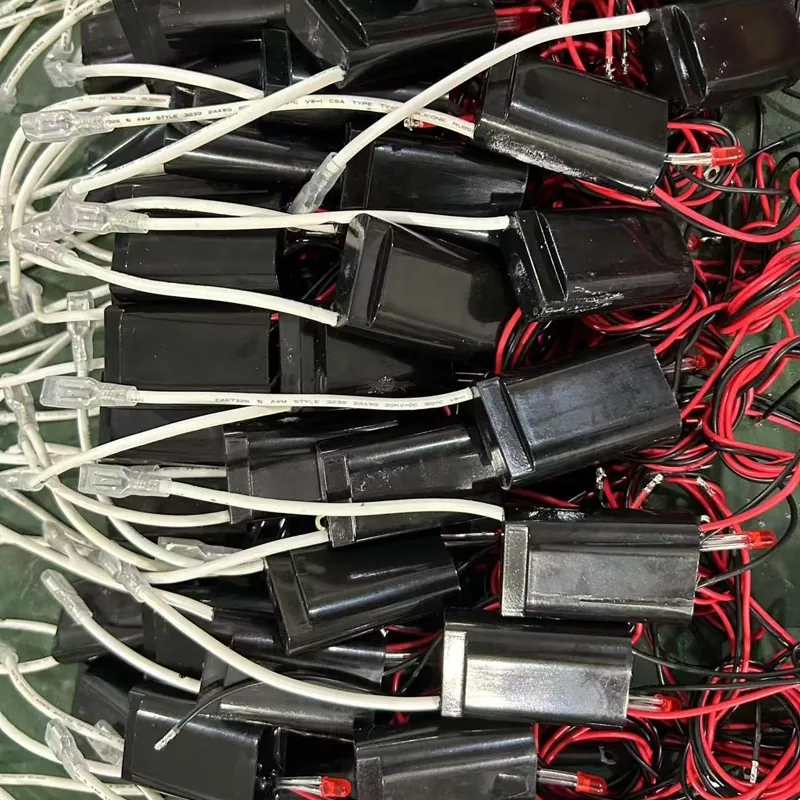
Why Safety Standards Matter More at High Voltage
At low voltage, a mistake often means a blown fuse. At high voltage, the same mistake can mean arc flash, deep burns, or cardiac arrest. A DC High Voltage Module stores energy in capacitors and can maintain a dangerous potential even after the input power is removed. That stored charge is the reason every procedure must assume the output is live until proven otherwise.
Core Safety Precautions
-
De-energize and verify before touching anything. Switch off the input, wait for the bleeder resistors to discharge, then measure the output with a rated probe. Never rely on indicator lamps alone.
-
Establish a solid ground connection. Ground the chassis and the return path before power-up. A floating DC High Voltage Module can rise to unpredictable potentials.
-
Use proper insulation and clearance. Maintain the creepage and clearance distances specified in the datasheet. Contaminated surfaces and sharp edges reduce dielectric strength.
-
Wear appropriate PPE. Insulated gloves, face shields, and flame-resistant clothing are minimum requirements for live troubleshooting.
-
Work with a second person present. A buddy who can cut power and call for help is essential during any energized test.
-
Respect the ratings. Exceeding the voltage, current, or temperature limits of a DC High Voltage Module accelerates insulation aging and increases failure risk.
Risk Levels and Required Controls
| Risk Level | Typical Voltage Range | Recommended Controls |
|---|---|---|
| Low | Below 1 kV | Insulated tools, basic PPE, single-person operation |
| Moderate | 1 kV – 10 kV | Lockout/tagout, grounding sticks, buddy system |
| High | 10 kV – 50 kV | Interlocked enclosures, remote operation, full PPE |
| Extreme | Above 50 kV | Oil or gas insulation, arc-flash boundaries, formal permit system |
Design and Installation Practices
A safe installation begins before the first power-up. Mount the DC High Voltage Module inside a grounded enclosure with adequate ventilation and creepage distance. Route high-voltage leads away from signal wiring to reduce coupling and noise. Use interlock switches on access panels so the module cannot operate while the enclosure is open. At DeFa, every module is tested for dielectric withstand and partial discharge before shipment, and we recommend periodic re-testing in the field.
Maintenance and Inspection
Inspect insulation, connectors, and cooling paths on a fixed schedule. Look for dust, corrosion, carbon tracking, and discoloration, all of which signal impending failure. Replace damaged components with parts rated for the same voltage class. Keep a maintenance log for each DC High Voltage Module so that trends in leakage current or temperature can be spotted early.
Frequently Asked Questions
Q: Can a DC High Voltage Module still be dangerous after it is switched off?
A: Yes. Capacitors and cable capacitance can hold a lethal charge for minutes or even hours. Always wait for the specified discharge time, then verify with a calibrated high-voltage probe before touching any conductor.
Q: What PPE is required when working on a DC High Voltage Module?
A: At minimum, use voltage-rated insulated gloves, a face shield, and flame-resistant clothing. For voltages above 10 kV, add a full arc-flash suit and use remote handling tools whenever possible.
Q: How often should a DC High Voltage Module be tested for insulation integrity?
A: Most industrial users perform a dielectric withstand or insulation resistance test every six to twelve months, or after any fault event. High-duty or safety-critical applications may require quarterly testing.
Contact Us
Safety is a shared responsibility, and the right partner makes it easier. If you need application guidance, custom specifications, or certified DC High Voltage Module solutions, contact DeFa today and let our engineering team help you build a safer, more reliable high-voltage system.