

What Safety Considerations Are Important When Using the TN Series Dual Axis Cylinder
2026-02-09
Ensuring operational safety is paramount in any automated system, and this is especially true when integrating powerful components like the TN Series Dual Axis Cylinder. At OLK, we prioritize not only performance but also the well-being of operators and the longevity of your equipment. Proper safety protocols mitigate risks, prevent costly downtime, and protect your investment. This guide outlines critical safety considerations to adhere to during the installation, operation, and maintenance of these precision devices.
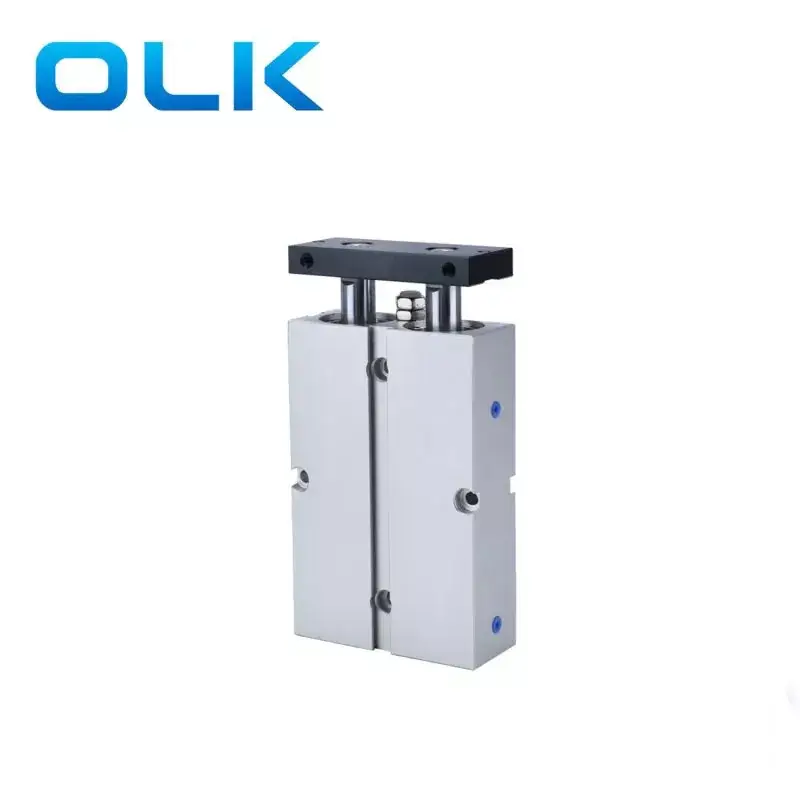
When deploying the TN Series Dual Axis Cylinder, a proactive approach to safety must be implemented. Key areas to focus on include:
-
Mechanical Safeguarding: Always ensure that the cylinder's path of motion is guarded or located in an area inaccessible to personnel during operation to prevent crushing or shearing injuries.
-
Pressure and Load Guidelines: Never exceed the specified maximum operating pressure or load capacity. Overloading can lead to catastrophic failure, cylinder damage, or structural integrity loss.
-
Secure Mounting and Alignment: The cylinder must be mounted on a rigid, flat surface using the appropriate hardware. Precise alignment of both axes is crucial to prevent binding, excessive wear, and unexpected side loads.
-
Regular Inspection and Maintenance: Establish a routine maintenance schedule to check for wear, seal integrity, and lubrication levels. A well-maintained cylinder is inherently safer.
To further clarify best practices, refer to the following technical specifications and comparison:
| Consideration | Specification / Guideline | Purpose |
|---|---|---|
| Maximum Operating Pressure | As per OLK datasheet (e.g., 0.86 MPa) | Prevents structural failure |
| Ambient Temperature Range | -10°C to 60°C | Ensures seal and material integrity |
| Installation Torque | Use specified OLK mounting bolt torque | Prevents loosening from vibration |
| Lubrication Interval | Refer to OLK maintenance manual | Reduces friction and wear |
TN Series Dual Axis Cylinder FAQ
Q: What is the most common cause of premature wear in a TN Series Dual Axis Cylinder?
A: The most common cause is misalignment during installation or the presence of excessive side loads. This places uneven stress on the rod, guide shafts, and bearings, leading to accelerated wear, loss of precision, and potential seizure. Always follow OLK's precise installation guides.
Q: Can the TN Series cylinder be used in a vertical orientation?
A: Yes, the TN Series Dual Axis Cylinder from OLK is designed for multiple orientations. However, in vertical applications, particular attention must be paid to load capacity and the potential for load-holding devices or brakes to prevent unintended movement in case of pressure loss.
Q: How often should the lubrication be checked and replenished?
A: The interval depends on operating cycles, speed, and environmental conditions. As a general rule under normal conditions, inspect lubrication every 3-6 months of operation. For high-cycle or harsh environments, consult the OLK technical manual for a customized maintenance schedule.
Adhering to these safety and operational guidelines will ensure you harness the full, reliable potential of your TN Series Dual Axis Cylinder. For applications requiring specific configurations or if you have further technical inquiries, our engineering team is ready to assist. Contact us today to discuss your project needs and ensure a safe, efficient, and optimal integration with OLK components.