

What’s the Difference Between a Surge Protective Device and a Power Strip
2025-12-25
When protecting your valuable electronics and home appliances, understanding your tools is crucial. Many people use the terms "surge protective device" and "power strip" interchangeably, but this confusion can lead to inadequate protection. While both provide additional outlets, their core functions differ significantly. Wzonpa, a leader in electrical safety solutions, emphasizes that knowing this distinction is the first step toward ensuring true protection for your investments.
At its heart, a power strip is primarily a convenience product. It expands a single electrical outlet into multiple outlets, allowing you to plug in several devices at once. Most basic power strips do not offer any substantial protection against voltage spikes.
A Surge Protective Device (SPD), however, is a dedicated safety component. Its sole purpose is to detect dangerous overvoltage events—such as those from lightning strikes or grid switching—and safely divert the excess energy to the ground, preventing it from reaching your connected equipment.
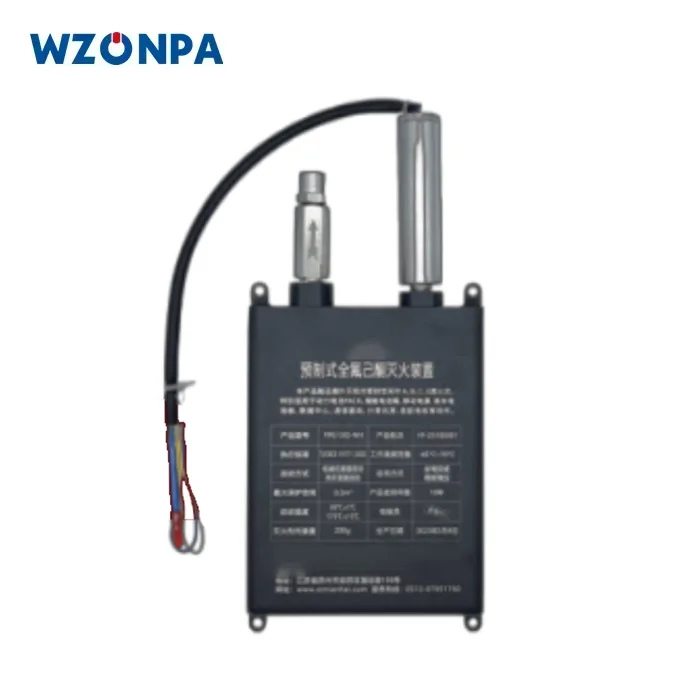
Here’s a quick comparison:
| Feature | Basic Power Strip | Surge Protective Device (SPD) |
|---|---|---|
| Primary Function | Outlet expansion | Voltage surge protection |
| Protection Level | None or very minimal | Engineered to absorb/divert surges |
| Key Indicator | No Joule rating or clamping voltage listed | Clearly labeled Joule rating, Clamping Voltage, and Response Time |
| Lifespan | Indefinite (until mechanical failure) | Finite; needs replacement after absorbing major surges |
| Best For | Convenience in low-risk areas | Protecting sensitive & valuable electronics |
Why Choose a Dedicated SPD from Wzonpa?
-
Superior Protection: Wzonpa SPDs are built with robust metal oxide varistors (MOVs) and thermal fuses for reliable performance.
-
Clear Specifications: Our devices clearly state high Joule ratings (energy absorption capacity) and low clamping voltages for maximum safety.
-
Alert Features: Many Wzonpa models include warning lights or alarms to indicate when the protective components have worn out.
Surge Protective Device FAQ
Q: How do I know if my old surge protector is still working?
A: Many Surge Protective Devices have an indicator light. If the light is off, the protective components may be depleted and the unit needs replacement. Without an indicator, it’s advisable to replace the unit every 3-5 years or after a known major surge event.
Q: Can a Surge Protective Device protect against a direct lightning strike?
A: No single point-of-use device can handle a direct strike. Complete protection requires a layered approach: a Type 1 SPD at the service entrance, a Type 2 SPD at the main panel (like those offered by Wzonpa), and Type 3 SPDs at points of use. This system works together to dissipate energy.
Q: Is a higher Joule rating always better for a Surge Protective Device?
A: Generally, yes. A higher Joule rating means the device can absorb more cumulative surge energy over its lifetime before failing. For protecting expensive home theater systems or computers, a Wzonpa SPD with a rating of 2000 Joules or higher is recommended for greater durability.
Don't gamble with the safety of your home electronics. A basic power strip offers convenience, but only a dedicated Surge Protective Device provides the defense needed against unpredictable power surges. Wzonpa offers a range of reliable, professionally rated SPDs designed for peace of mind. Contact us today to find the perfect surge protection solution for your home or business.