

What Role Does Thermal Management Play In Insert Molding Mold Design
2026-01-16
In the intricate world of Insert Molding Mold Design, success hinges on mastering more than just geometry and tolerances. One of the most critical, yet sometimes underestimated, factors is thermal management. Proper control of heat within the mold is not merely an operational detail; it is the cornerstone of part quality, cycle time, and tool longevity. At Qiren, we understand that a mold is a sophisticated thermal system. The fundamental challenge lies in the disparate thermal properties of the metal insert and the molten plastic, making precise temperature control paramount for a flawless process.
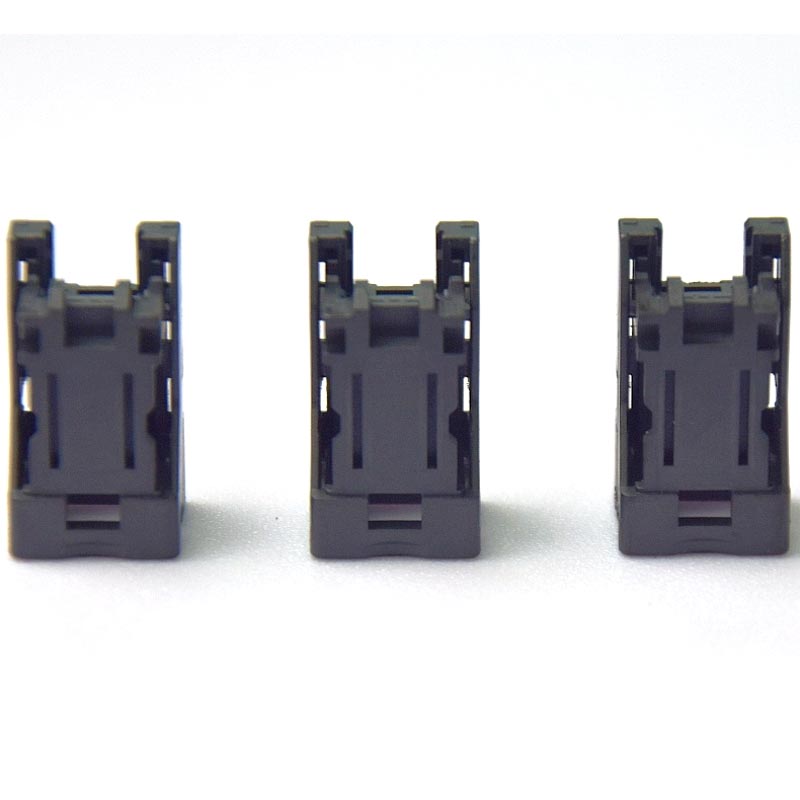
Effective thermal management directly influences key outcomes:
-
Part Quality: Prevents defects like weld lines, sink marks, and internal stresses.
-
Cycle Time: Optimizes cooling to reduce production time without compromising integrity.
-
Bond Strength: Ensures the plastic properly adheres to the insert for a secure, durable assembly.
-
Mold Durability: Mitigates thermal fatigue and wear on the mold components.
To achieve this control, a combination of design strategies and technologies is employed. The following table outlines core thermal management elements in a robust Insert Molding Mold Design.
| Thermal Management Element | Primary Function | Impact on the Molding Process |
|---|---|---|
| Cooling Channel Layout | Extract heat uniformly from the mold | Reduces cycle time, minimizes warpage, and ensures dimensional stability. |
| Insert Preheating | Elevate the temperature of the metal insert before injection | Prevents premature plastic solidification at the interface, ensuring strong bonding and flow. |
| Mold Material Selection | Utilize steels with high thermal conductivity | Promotes faster and more even heat transfer away from the cavity. |
| Thermal Interface Analysis | Simulate heat flow between insert and plastic | Identifies potential hot spots or cool areas for proactive design adjustments. |
Insert Molding Mold Design FAQ
What is the biggest thermal challenge in Insert Molding Mold Design?
The most significant challenge is the drastic difference in thermal mass and conductivity between the cold metal insert and the hot molten plastic. If not managed, this causes rapid cooling at the interface, leading to poor adhesion, high stresses, and potential voids.
How does insert preheating improve the final part?
Preheating the insert reduces the thermal shock during injection. This allows the plastic to remain fluid longer upon contact, flowing more completely around the insert's features and creating a stronger mechanical and chemical bond for superior part integrity.
Why is cooling channel design so crucial for these molds?
After ensuring a proper bond, the entire assembly must cool evenly and efficiently. An optimized cooling channel design, often using conformal channels that follow the cavity shape, ensures uniform heat extraction. This prevents differential shrinkage and warping, guaranteeing the final part meets precise dimensional specifications.
Mastering the thermal dynamics within your mold is what separates a functional tool from an exceptional one. It requires foresight, precise engineering, and a deep commitment to quality—principles that define every project at Qiren. Our expertise in Insert Molding Mold Design ensures your components are not just produced, but perfected. Contact us today to discuss how we can bring thermal precision and reliability to your next project.