

What Role Does Rigid PCB Play in the Advancement of Automotive Electronics
2026-02-26
The evolution of modern vehicles from simple transportation machines to sophisticated computers on wheels is largely driven by advancements in electronic components. At the heart of this transformation lies the Rigid PCB, a foundational technology that ensures reliability and performance in demanding environments. As a leading provider in this space, Akeson understands the critical nature of these components in shaping the future of the automotive industry.
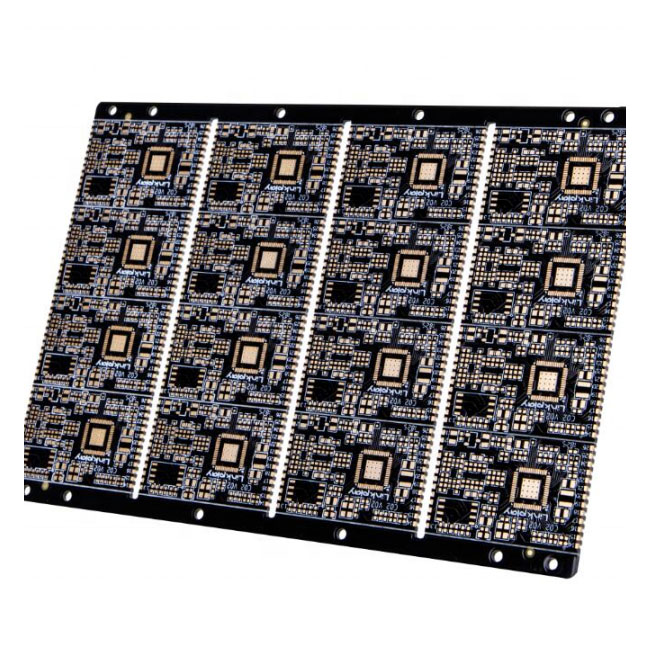
The Backbone of Vehicle Electronic Systems
Today's vehicles rely on dozens of electronic control units (ECUs) to manage everything from engine timing to infotainment. The Rigid PCB provides the mechanical support and electrical connections necessary for these systems to function flawlessly. Unlike flexible alternatives, rigid boards offer superior structural integrity, which is essential for components mounted in high-vibration areas such as the engine bay or chassis.
Akeson specializes in manufacturing high-quality rigid boards that meet the stringent thermal and mechanical demands of automotive applications. The ability of these boards to withstand extreme temperatures while maintaining signal integrity makes them indispensable for modern vehicle design.
Key Automotive Applications and Requirements
The table below outlines the primary applications of Rigid PCB in vehicles and the specific requirements they must meet:
| Application Area | Function | Critical Requirement |
|---|---|---|
| Powertrain | Engine Control Units (ECU), Transmission Control | High thermal resistance, vibration tolerance |
| Safety Systems | Airbag controls, ABS, Advanced Driver Assistance | Zero defect tolerance, high reliability |
| Infotainment | Navigation, Display units, Audio systems | High-density interconnect, signal integrity |
| Lighting | LED headlights, Interior lighting | Thermal management, long lifespan |
| Body Electronics | Window lifts, Door locks, Seat controls | Cost-effectiveness, durability |
The integration of these systems requires boards that can handle complex circuitry without compromising on space. Akeson leverages advanced manufacturing techniques to produce Rigid PCB solutions that meet these diverse needs, ensuring that every component communicates effectively and safely.
Performance and Reliability Factors
To guarantee long-term performance in the automotive sector, manufacturers must focus on specific material properties and design standards. The choice of substrate material, copper weight, and surface finish directly impacts the board's ability to perform under the hood.
Akeson utilizes high-Tg (Glass Transition Temperature) materials and严格的 quality control processes to ensure that each Rigid PCB delivered can endure thermal cycling and mechanical stress. This commitment to quality directly contributes to the overall safety and longevity of the vehicle, reinforcing why partnerships with experienced manufacturers are vital for automotive innovation.
Frequently Asked Questions about Rigid PCB in Automotive
Here are some common inquiries regarding the use of Rigid PCB technology in vehicles:
What makes a Rigid PCB more suitable for automotive applications than a flexible one?
While flexible PCBs are valuable for dynamic flexing applications and saving space in tight folds, Rigid PCB boards are preferred for the vast majority of automotive control units due to their superior mechanical stability. They provide a solid platform for mounting heavy components like large processors and connectors, ensuring that solder joints do not crack under constant vibration. The rigid structure also allows for better thermal management, as heat sinks can be securely attached directly to the board.
How does the operating environment of a vehicle affect the design of a Rigid PCB?
The automotive environment is particularly harsh, exposing electronics to extreme temperature fluctuations, moisture, road salts, and aggressive fluids. Therefore, a Rigid PCB designed for automotive use must incorporate specific design features. This includes using materials with a high Glass Transition Temperature (Tg) to prevent board softening in hot engine bays. Conformal coating is often applied to protect against moisture and contaminants, and wider copper traces are used to handle higher currents safely without generating excessive heat.
Can Rigid PCB technology support the shift towards electric and autonomous vehicles?
Absolutely. The advancement of Electric Vehicles (EVs) and Autonomous Vehicles (AVs) is heavily reliant on Rigid PCB innovation. EVs require robust boards for battery management systems (BMS), which monitor cell health and ensure safe operation under high voltage. AVs depend on high-speed, high-frequency Rigid PCB boards to process the massive amounts of data from LiDAR, radar, and cameras in real-time. These applications demand multilayer boards with controlled impedance and excellent signal integrity, capabilities that specialized manufacturers like Akeson are continuously developing.
Driving Future Innovation with Akeson
As vehicles continue to evolve towards greater automation and electrification, the demand for high-performance Rigid PCB solutions will only intensify. The reliability, thermal efficiency, and structural integrity provided by these boards are non-negotiable for the next generation of automotive electronics. Partnering with a knowledgeable manufacturer ensures that your critical systems are built on a foundation of quality and precision.
Is your project ready for the next step? Contact Akeson today to discuss your specific requirements and discover how our advanced Rigid PCB solutions can power your success.