

What Makes Thin Section Bearings a Game-Changer in Compact Machinery Design?
2025-08-11
In the realm of engineering, where space constraints and weight reduction are increasingly critical, thin section bearings have emerged as a transformative solution. These specialized bearings, characterized by their minimal cross-sectional thickness, are redefining the possibilities of compact machinery design across industries—from aerospace and robotics to medical devices and precision instruments. Unlike traditional bearings, which often add bulk and weight, thin section bearings deliver robust performance without sacrificing space, making them indispensable in applications where every millimeter counts. As technology advances and machinery becomes more compact yet more powerful, understanding what makes thin section bearings a vital component is key to unlocking innovation. This guide explores their unique design advantages, versatile applications, detailed specifications of our high-performance models, and answers to common questions to highlight their role in shaping modern engineering.
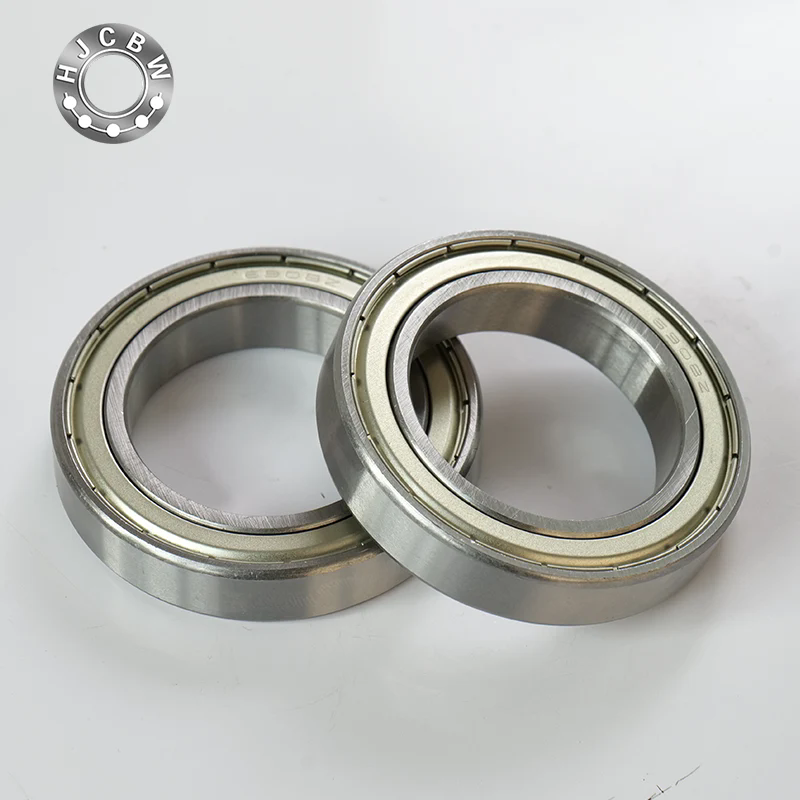
Trending News Headlines: Top Searches on Thin Section Bearings
- "Thin Section Bearings in Drones: How They Improve Flight Efficiency"
- "Stainless Steel Thin Section Bearings for Medical Robotics: Latest Innovations"
- "High-Speed Thin Section Bearings: Meeting the Demands of Compact Motors"
Why Thin Section Bearings Are Revolutionizing Compact Engineering
Space-Saving Design
The defining feature of thin section bearings is their narrow cross-section, where the ratio of the outer diameter to the inner diameter is minimized. This design allows them to fit into tight spaces that would be impossible for standard bearings, making them ideal for compact machinery. In applications like surgical robots, where precision and miniaturization are critical, thin section bearings enable intricate movements without adding bulk. Similarly, in aerospace components—such as satellite antennas or drone motors—their compact size helps reduce overall device dimensions, a key factor in weight-sensitive designs.
Weight Reduction
Every gram matters in industries like aerospace, automotive, and robotics, where weight directly impacts energy efficiency, speed, and maneuverability. Thin section bearings are significantly lighter than traditional bearings of comparable size, thanks to their reduced material usage. This weight savings translates to tangible benefits: electric vehicles achieve longer battery life, drones extend their flight time, and robotic arms operate with greater agility. For example, a lightweight drone equipped with thin section bearings requires less power to maintain flight, allowing it to carry heavier payloads or stay airborne longer.
Consistent Performance Under Load
Despite their slim profile, thin section bearings are engineered to deliver impressive load-bearing capabilities. They can handle both radial and axial loads, depending on the design (e.g., deep groove, angular contact, or four-point contact), making them versatile for various applications. Advanced manufacturing techniques—such as precision grinding and heat treatment—ensure that the thin raceways maintain strength and durability, even under continuous use. This combination of strength and compactness makes them suitable for high-stress environments, from industrial robotic joints to aerospace actuators.
Reduced Friction and Energy Efficiency
Like their standard counterparts, thin section bearings minimize friction through rolling contact between the balls and raceways. This low friction reduces energy loss, making machinery more efficient. In battery-powered devices—such as portable medical equipment or electric tools—this efficiency translates to longer operational time between charges. Additionally, reduced friction generates less heat, which is crucial in compact machinery where heat dissipation is challenging, as overheating can compromise performance or damage sensitive components.
Versatility Across Industries
Thin section bearings are available in a wide range of configurations, materials, and sizes, making them adaptable to diverse applications. Whether it’s a corrosion-resistant stainless steel model for food processing equipment, a high-temperature variant for industrial ovens, or a lightweight ceramic model for aerospace, there is a thin section bearing tailored to specific environmental demands. This versatility allows engineers to integrate them into everything from consumer electronics (e.g., 3D printers) to heavy-duty industrial machinery (e.g., automated manufacturing arms), proving their value across sectors.
Key Design Features of Thin Section Bearings
Cross-Section Uniformity
Thin section bearings are categorized by their cross-sectional thickness, denoted by a series (e.g., 1600, 16000, or C, X, V series), where each series maintains a consistent cross-section across different sizes. This uniformity allows engineers to scale designs without changing the bearing’s thickness, simplifying standardization in manufacturing.
Raceway and Ball Design
The raceways (inner and outer rings) are precision-machined to ensure smooth contact with the balls, reducing friction and wear. Depending on the load requirements, bearings may feature deep grooves (for radial loads), angular contact (for combined radial and axial loads), or four-point contact (for high axial loads in both directions).
Material Options
- High-Carbon Steel: The standard material for general applications, offering a balance of strength and cost-effectiveness.
- Stainless Steel (304 or 440C): Resists corrosion and is ideal for medical, food processing, or marine environments.
- Ceramic (Silicon Nitride): Lightweight, non-magnetic, and heat-resistant, suitable for high-speed or specialized aerospace applications.
Many thin section bearings come with seals or shields to protect against contaminants and retain lubrication. Options include:
- Rubber Seals (2RS): Provide a tight barrier against moisture and dust, ideal for dirty or wet environments.
- Metal Shields (ZZ): Offer basic protection in clean environments while allowing for higher speeds.
- Lubrication: Typically pre-lubricated with high-performance grease (e.g., lithium-based for general use, food-grade for sanitary applications, or high-temperature grease for extreme heat).
Our Premium Thin Section Bearings Specifications
|
Feature
|
Standard Deep Groove (TH-1600 Series)
|
Stainless Steel (TH-S1600 Series)
|
High-Speed Angular Contact (TH-AC Series)
|
Four-Point Contact (TH-4P Series)
|
|
Bore Diameter (d)
|
10mm - 200mm
|
10mm - 200mm
|
15mm - 150mm
|
20mm - 300mm
|
|
Outer Diameter (D)
|
19mm - 215mm
|
19mm - 215mm
|
28mm - 165mm
|
35mm - 320mm
|
|
Cross-Section Thickness (T)
|
4.5mm - 7.5mm
|
4.5mm - 7.5mm
|
6.5mm - 8mm
|
7.5mm - 10mm
|
|
Dynamic Load Rating (C)
|
1.2kN - 45kN
|
1.1kN - 42kN
|
1.8kN - 50kN
|
2.5kN - 80kN
|
|
Static Load Rating (C0)
|
0.8kN - 25kN
|
0.7kN - 23kN
|
1.2kN - 35kN
|
1.8kN - 60kN
|
|
Maximum Speed (Grease)
|
8,000 - 25,000 rpm
|
7,000 - 22,000 rpm
|
10,000 - 30,000 rpm
|
6,000 - 20,000 rpm
|
|
Maximum Speed (Oil)
|
10,000 - 30,000 rpm
|
9,000 - 28,000 rpm
|
12,000 - 36,000 rpm
|
8,000 - 25,000 rpm
|
|
Material
|
High-carbon chromium steel (100Cr6)
|
Stainless steel (AISI 440C)
|
High-carbon chromium steel (100Cr6) with heat treatment
|
High-carbon chromium steel (100Cr6)
|
|
Cage Material
|
Nylon or brass
|
Stainless steel or brass
|
Brass (machined)
|
Steel or brass
|
|
Sealing/Shielding
|
Open, ZZ, 2RS
|
Open, 2RS (food-grade rubber)
|
Open, ZZ
|
Open, 2RS
|
|
Operating Temperature
|
-30°C to +120°C
|
-40°C to +150°C
|
-20°C to +180°C
|
-30°C to +120°C
|
|
Applications
|
Robotics, 3D printers, small motors
|
Medical devices, food processing equipment
|
High-speed spindles, precision instruments
|
Heavy-duty robotic arms, aerospace actuators
|
|
Standards Compliance
|
ISO 9001, DIN 625
|
ISO 9001, FDA, NSF
|
ISO 9001, ABMA standards
|
ISO 9001, GB/T 307.1
|
FAQ: Common Questions About Thin Section Bearings