

What Makes PCBA Manufacturing Crucial for Modern Electronics?
2026-04-09
In today's rapidly evolving electronics industry, PCBA Manufacturing (Printed Circuit Board Assembly) has become the backbone of product innovation and quality. From consumer electronics to industrial machinery, the efficiency, precision, and reliability of PCBA processes directly impact product performance, time-to-market, and cost-effectiveness. Shenzhen Fanway Technology Co., Ltd has been at the forefront of delivering high-quality PCBA solutions tailored to the unique requirements of clients worldwide. Understanding the critical role of PCBA Manufacturing can help businesses make informed decisions and achieve operational excellence.
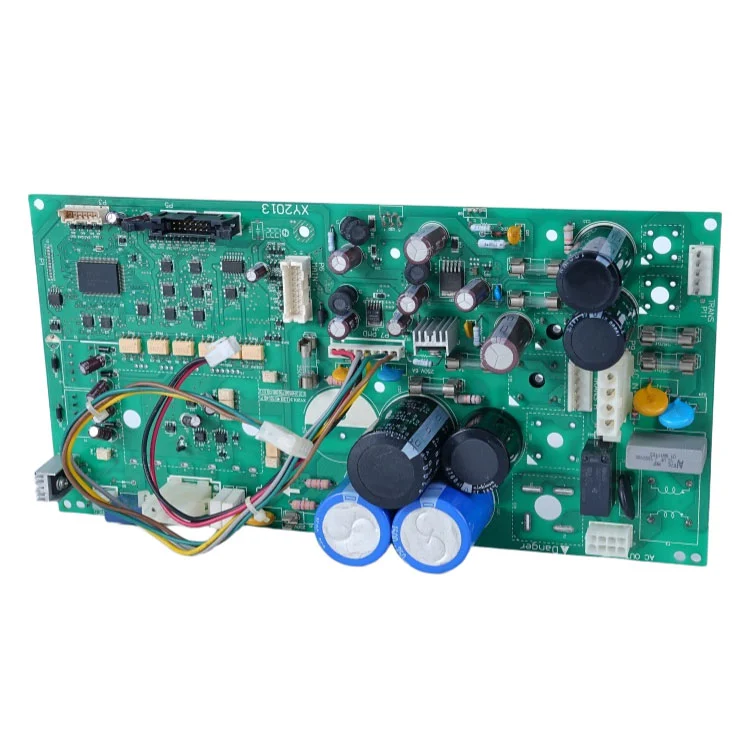
1. Introduction to PCBA Manufacturing
PCBA Manufacturing refers to the process of mounting electronic components onto a printed circuit board (PCB) to create a fully functional electronic assembly. This process requires meticulous planning, advanced equipment, and strict quality standards to ensure optimal performance. Shenzhen Fanway Technology Co., Ltd combines industry expertise, state-of-the-art machinery, and flexible production capabilities to provide clients with scalable and reliable PCBA solutions.
2. Key Steps in the PCBA Manufacturing Process
The PCBA process generally involves several critical stages:
| Step | Description | Key Considerations |
|---|---|---|
| PCB Fabrication | Creating the bare circuit board | Material quality, layer count |
| Solder Paste Application | Applying solder to pads | Precision and consistency |
| Component Placement | Placing components via SMT or THT | Accuracy and speed |
| Reflow or Wave Soldering | Melting solder to secure components | Temperature control |
| Inspection & Testing | Visual and automated checks | AOI, X-ray, functional testing |
| Final Assembly & Packaging | Preparing for shipment | Anti-static packaging, labeling |
Each step is essential to ensure that the final assembly is robust, reliable, and meets client specifications.
3. Surface Mount Technology (SMT) vs. Through-Hole Technology (THT)
Understanding the difference between SMT and THT is vital for selecting the right PCBA strategy:
- Surface Mount Technology (SMT): Components are placed directly on the surface of the PCB. It allows higher component density, faster production, and smaller product size. Ideal for modern consumer electronics.
- Through-Hole Technology (THT): Components' leads go through holes on the PCB and are soldered on the opposite side. Provides stronger mechanical bonds, suitable for high-stress applications.
Comparison Table:
| Feature | SMT | THT |
|---|---|---|
| Component Size | Small | Larger |
| Assembly Speed | Fast | Slower |
| Mechanical Strength | Moderate | High |
| Ideal Use | Compact electronics | Industrial & rugged devices |
Shenzhen Fanway Technology Co., Ltd expertly integrates both technologies depending on client requirements, ensuring the best balance of performance, durability, and cost.
4. Common Applications of PCBA
PCBA is integral to a wide range of industries:
- Consumer electronics: smartphones, laptops, wearables
- Automotive electronics: control units, sensors, lighting systems
- Industrial equipment: PLCs, robotic controllers, automation devices
- Medical devices: diagnostic equipment, monitoring systems
- IoT devices: smart home devices, sensors, and gateways
This versatility highlights why investing in high-quality PCBA Manufacturing is essential for companies aiming to remain competitive.
5. Quality Control in PCBA Manufacturing
High standards of quality control distinguish reliable PCBA providers. Shenzhen Fanway Technology Co., Ltd implements:
- Automated Optical Inspection (AOI) for detecting assembly defects
- X-ray Inspection for complex multilayer boards
- Functional Testing to ensure proper performance
- ISO & IPC Compliance to meet international industry standards
These measures reduce failure rates, minimize recalls, and enhance the overall reliability of electronic products.
6. Benefits of Partnering with Shenzhen Fanway Technology Co., Ltd
- Custom Solutions – Tailored PCBA Manufacturing to fit client specifications
- Rapid Turnaround – Fast prototyping and mass production capabilities
- Cost Efficiency – Optimized processes reduce waste and production costs
- Technical Support – End-to-end support from design to delivery
- Global Reach – Reliable logistics for clients worldwide
7. FAQ About PCBA Manufacturing
Q1: What is the difference between PCB and PCBA?
A1: PCB is the bare board without components, while PCBA includes all mounted components forming a functional assembly.
Q2: How does Shenzhen Fanway ensure high-quality assembly?
A2: Through a combination of AOI, X-ray inspection, functional testing, and compliance with IPC and ISO standards.
Q3: Can you handle both SMT and THT assemblies?
A3: Yes, Shenzhen Fanway Technology Co., Ltd is equipped for both, providing flexibility depending on product requirements.
Q4: What industries benefit most from PCBA Manufacturing?
A4: Consumer electronics, automotive, industrial automation, medical devices, and IoT products.
8. Conclusion and Contact
Investing in quality PCBA Manufacturing is no longer optional—it's a strategic decision for businesses aiming to produce reliable, high-performance electronic products. Shenzhen Fanway Technology Co., Ltd offers expert solutions, combining advanced technology, precision, and client-focused service. For inquiries or to discuss your next project, contact us today and experience professional PCBA services that drive your products forward.