

What Makes Micro Switches Crucial for Modern Electrical and Industrial Applications?
2025-11-19
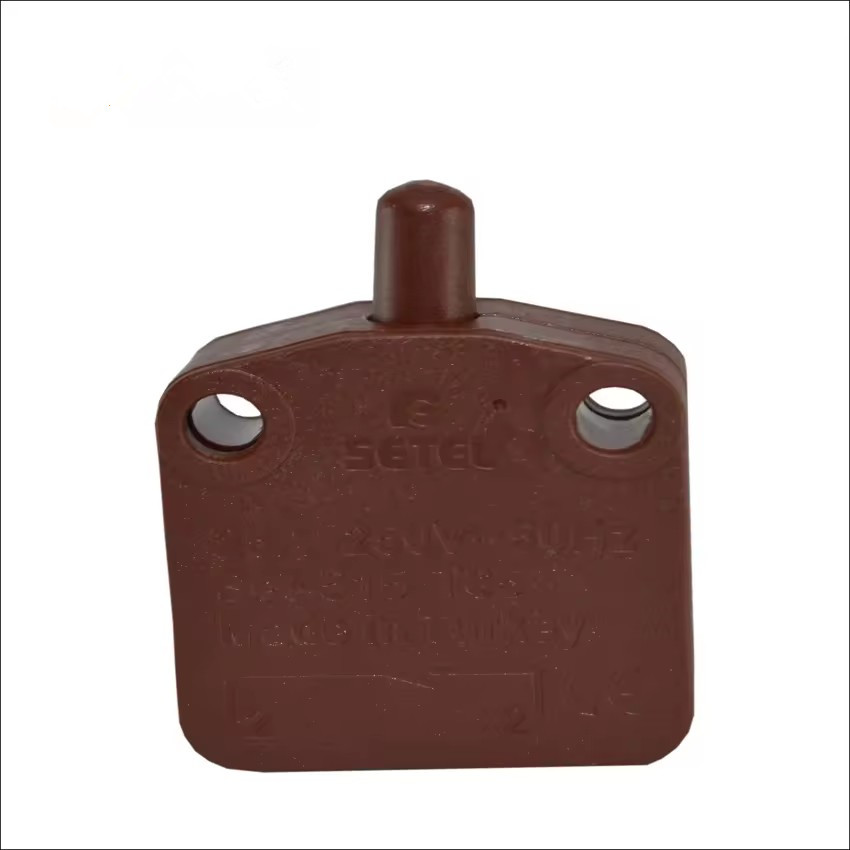
Micro switches, also known as miniature snap-action switches, have become indispensable components in modern electrical, automotive, and industrial applications. They are designed to provide precise, reliable control over electrical circuits with minimal physical effort. Their compact size, high sensitivity, and long service life make them an ideal solution for a wide range of automation and control systems.
What Are the Key Advantages of Micro Switches?
Micro switches stand out for their reliability, precision, and versatility, making them widely used in household appliances, automotive systems, medical devices, and industrial machinery. The following points summarize their key advantages:
High Durability and Long Lifespan
Micro switches are engineered for high-cycle operations. Many models can endure up to 10 million actuations without significant wear, reducing the need for frequent replacements and minimizing downtime in critical systems.
Precision and Sensitivity
The snap-action mechanism allows micro switches to operate with minimal physical force. This precise actuation ensures reliable signal transmission, which is crucial in safety-critical applications such as medical devices or automotive braking systems.
Compact and Space-Saving Design
With their miniature footprint, micro switches can fit into tight spaces where traditional switches cannot, making them ideal for compact electronic devices and advanced machinery.
Wide Application Range
From home appliances like microwaves and washing machines to automotive controls, industrial equipment, and safety interlocks, micro switches provide versatile solutions for various industries.
Cost-Effectiveness
Despite their advanced performance, micro switches are relatively low-cost components, offering high value for industrial automation systems and consumer electronics.
How Do Micro Switches Function and What Are Their Core Applications?
The operation of a micro switch is based on a snap-action mechanism that ensures rapid opening and closing of an electrical circuit. When the actuator is pressed, an internal spring mechanism instantly moves the contacts, either completing or breaking the circuit. This mechanism allows for precise electrical control even with small mechanical input.
Core Applications of Micro Switches
-
Industrial Automation: Used in machinery for limit switching, safety interlocks, and position detection.
-
Automotive Systems: Controls include door locks, seat position sensors, and pedal switches.
-
Home Appliances: Microwaves, washing machines, and refrigerators use micro switches for operational and safety purposes.
-
Medical Devices: Ensure reliable activation and monitoring of life-critical equipment.
-
Consumer Electronics: Provide tactile feedback and operational control in devices like printers, vending machines, and gaming consoles.
Technical Parameters Table
| Parameter | Specification |
|---|---|
| Rated Voltage | AC 125V / DC 250V |
| Rated Current | 5A–15A (depending on model) |
| Operating Temperature | -25°C to +85°C |
| Mechanical Life | 10,000,000 cycles |
| Electrical Life | 100,000–500,000 cycles |
| Contact Resistance | ≤ 100 mΩ |
| Actuator Type | Lever, Roller, Push Button, Basic Plunger |
| Housing Material | Thermoplastic, Nylon, Metal |
| Mounting Style | PCB Mount, Panel Mount, Through-Hole |
This table demonstrates the versatility and robustness of micro switches across different industrial and commercial scenarios.
Why Are Micro Switches Preferred in Modern Automation Systems?
The widespread adoption of micro switches in modern automation and electronics stems from several distinct functional advantages:
High-Speed Response
Micro switches are capable of rapid actuation due to their snap-action mechanism. This feature allows precise control in automated machinery, where milliseconds can impact productivity and safety.
Safety Assurance
Micro switches are often used in interlock systems to prevent machines from operating under unsafe conditions. Their reliability ensures that devices only function when all safety criteria are met.
Low Maintenance
The durability and long service life of micro switches reduce maintenance requirements. Systems incorporating micro switches can operate continuously without frequent part replacements, which is particularly valuable in industrial settings.
Flexible Integration
These switches can be easily adapted to different applications through variations in actuators, mounting types, and electrical ratings. This flexibility allows engineers to design compact and efficient control systems without compromising performance.
Energy Efficiency
Because micro switches require minimal mechanical input to operate, they contribute to energy-efficient designs, particularly in battery-operated devices or automated machinery.
Future Trends in Micro Switch Applications
As technology advances, micro switches are evolving to meet demands for smart devices, IoT integration, and enhanced automation:
-
Miniaturization: Further reducing switch size for ultra-compact electronics.
-
Smart Monitoring: Integration with sensors for predictive maintenance and real-time monitoring.
-
High-Performance Materials: Use of advanced plastics and metals for improved thermal resistance and durability.
-
Eco-Friendly Designs: Focus on recyclable materials and low-energy consumption.
Micro Switch Common Questions and Expert Answers
Q1: What factors determine the lifespan of a micro switch?
A1: The lifespan is influenced by electrical load, frequency of operation, environmental conditions, and actuator type. Proper selection according to rated current, voltage, and mechanical cycles ensures optimal durability. For high-cycle applications, choosing models with robust internal springs and metal contacts extends service life significantly.
Q2: How can a micro switch be tested for proper functionality?
A2: Functionality can be tested using a multimeter to check continuity. When the actuator is pressed, the circuit should open or close according to the switch type. Regular inspection for physical wear, contact corrosion, or actuator misalignment ensures reliable operation.
Q3: Why is the actuator type important in selecting a micro switch?
A3: The actuator determines how the switch is triggered and affects mechanical leverage, force requirements, and switching accuracy. Roller or lever actuators are suitable for moving parts, while push-button types are ideal for manual control applications. Selecting the correct actuator ensures reliable and precise operation in the intended environment.
Micro switches are vital components that provide precision, reliability, and versatility across numerous industries, from industrial automation to consumer electronics. Their high durability, low maintenance requirements, and flexible design make them indispensable in modern applications. With ongoing advancements in materials, miniaturization, and smart integration, micro switches are expected to play an even greater role in future automation and IoT systems.
For engineers and businesses seeking reliable, high-performance micro switches, CMZG offers a wide range of products tailored to various applications. Their technical expertise and product quality ensure that each micro switch meets the stringent demands of modern electrical and industrial systems.
Contact us to explore the full range of CMZG micro switches and find solutions designed for efficiency, precision, and long-term reliability.