

Article Summary
A UV lamp generates ultraviolet radiation that can support disinfection, purification, and specialized industrial processes. However, not all UV lamps deliver the same results. Wavelength, UV output, lamp design, exposure time, installation conditions, and maintenance requirements all influence system performance.
This guide explains the main types of UV lamps, their practical applications, the differences between important wavelengths, and the questions buyers should ask before choosing a product. It also covers common performance problems, operational safety, and maintenance planning to help businesses make informed purchasing decisions and avoid unnecessary replacement costs.
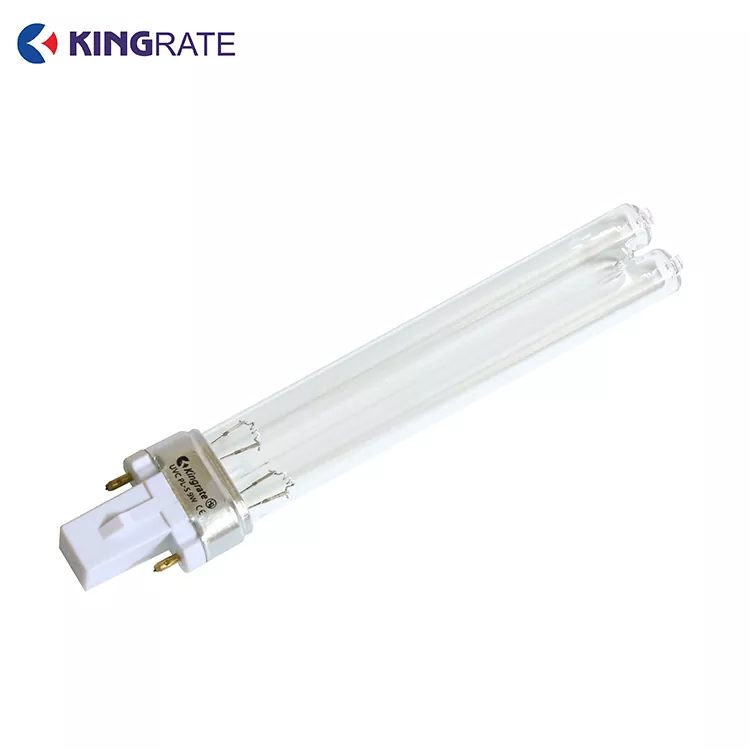
1. Understanding UV Lamps and Their Role in Modern Industry
A UV lamp is a light source designed to emit ultraviolet radiation, a part of the electromagnetic spectrum that lies beyond visible violet light. Although ultraviolet radiation cannot be seen by the human eye, it has important applications in water treatment, air purification, surface hygiene, material processing, and scientific research.
Unlike conventional lighting, which is primarily designed to illuminate a space, a UV lamp is selected according to its radiation characteristics and the process it needs to support. For example, a lamp designed for germicidal treatment has different requirements from one intended for curing coatings or initiating a photochemical reaction.
For industrial buyers, selecting a UV lamp is therefore more complicated than comparing wattage or physical dimensions. A product may fit an existing fixture but still fail to deliver the required ultraviolet output, wavelength, or operating life.
The most reliable selection process begins with the application itself. Buyers should define the treatment target, installation environment, operating schedule, and expected performance before comparing specific models.
2. How Does UV Technology Work?
Ultraviolet radiation is commonly divided into UVA, UVB, and UVC bands. Each covers a different wavelength range and has different practical uses. For disinfection applications, the most relevant characteristic is the wavelength delivered to the target, together with the dose received over time.
Understanding the Main UV Wavelengths
| UV Category | Typical Wavelength Range | Common Applications |
|---|---|---|
| UVA | 315–400 nm | Fluorescence, inspection, certain curing processes, and specialized photochemical applications. |
| UVB | 280–315 nm | Selected scientific, photobiological, and specialized treatment applications. |
| UVC | 100–280 nm | Germicidal systems, water treatment, and controlled air or surface disinfection. |
| Far-UVC | A portion of the UVC band, commonly around 222 nm | Specialized disinfection systems requiring carefully assessed exposure and safety controls. |
These ranges describe wavelength categories rather than guaranteed product performance. A particular lamp may emit a narrow wavelength band or multiple wavelengths, depending on its design.
Why 254 nm Is Important
Many conventional germicidal UV lamps emit radiation close to 254 nm. This wavelength can damage the genetic material of susceptible microorganisms, preventing them from replicating effectively under suitable exposure conditions.
However, disinfection does not depend on wavelength alone. The delivered UV dose, microorganism type, exposure duration, surface condition, water quality, and system geometry all influence the outcome. A lamp that works well in one installation may perform poorly in another if the surrounding system is not designed correctly.
What About 185 nm and 222 nm?
Some UV lamp designs emit radiation around 185 nm as well as near 254 nm. Radiation at 185 nm can generate ozone under suitable conditions, whereas ozone-free designs are selected when ozone production is not desired. Buyers should confirm the exact spectral output and ozone characteristics of the intended model.
Excimer lamps operating around 222 nm are another specialized option. Their use requires careful consideration of the device's measured spectral output, applicable exposure limits, operating conditions, and relevant safety requirements. A wavelength designation by itself does not establish that a lamp is safe for unrestricted use around people.
3. What Types of UV Lamps Are Available?
UV lamps are available in different shapes, electrical configurations, materials, and output levels. Understanding the main product categories helps buyers narrow their options before reviewing detailed specifications.
Linear T5, T6, and T8 UV Lamps
Linear lamps are commonly used in equipment for air treatment, water purification, and enclosed disinfection systems. T5, T6, and T8 designations relate to tube diameter conventions. They should not be treated as interchangeable specifications: length, pin configuration, electrical requirements, and output must also match the application.
H-Shaped and PL-Type UV Lamps
Compact H-shaped and PL-type lamps can fit into space-constrained equipment, including selected air treatment units and water purification systems. Their compact construction may simplify integration, but buyers still need to verify the socket, ballast, operating temperature, and available space.
Amalgam UV Lamps
Amalgam technology is used in certain high-output germicidal lamps, particularly in water treatment equipment. Depending on the model, these lamps may be suitable for systems that require substantial UV output under specific operating conditions. Flow rate, water transmittance, lamp cooling, and reactor design remain essential to overall performance.
Submersible UV Lamps
Submersible models are designed for specified aquatic or water-treatment environments. They may be used in aquariums, ponds, circulation systems, and compatible treatment equipment. Their suitability depends on the rated immersion conditions, protective housing, sealing design, and electrical safety provisions.
222 nm Excimer UV Lamps
Excimer lamps are specialized sources used in selected far-UVC applications. Their engineering and safety requirements differ from those of conventional germicidal tubes. Product selection should include verification of spectral characteristics, exposure conditions, system shielding, and compliance with applicable standards.
To explore available product configurations, visit the Kingrate UV lamp range and compare models against your equipment requirements.
4. Where Can UV Lamps Deliver Practical Value?
The versatility of UV technology makes it useful across several industries. Nevertheless, each application has its own technical requirements, so choosing a lamp based on its intended use is essential.
Water Purification and Wastewater Treatment
UV treatment can reduce susceptible microorganisms in water without relying on the same chemical disinfection mechanism used by conventional disinfectants. It is used in selected drinking-water systems, industrial process-water equipment, wastewater treatment installations, and aquatic systems.
Water clarity and UV transmittance are important because suspended particles and dissolved substances can reduce the radiation reaching microorganisms. Flow rate and reactor design also determine whether water receives an adequate treatment dose. UV treatment does not automatically remove dissolved chemicals, suspended solids, or every biological contaminant.
Air Disinfection and HVAC Equipment
UV lamps can be integrated into appropriately designed ventilation and air treatment systems. Depending on the installation, radiation may target airborne microorganisms or microbial growth on selected HVAC surfaces.
System designers should consider airflow, humidity, exposure time, lamp placement, surface reflectivity, and access for maintenance. A higher-wattage lamp cannot compensate for poor airflow design or inadequate exposure.
Surface Disinfection
UV systems can treat compatible surfaces in controlled environments, including selected production areas and equipment enclosures. Their effectiveness depends on whether the target receives sufficient direct radiation.
Shadows, dirt, surface texture, and the positioning of components can limit treatment. UV should therefore complement appropriate cleaning procedures rather than replace the removal of visible soil and other contaminants.
Aquariums, Ponds, and Aquaculture
UV equipment can help manage certain microorganisms and free-floating algae in circulating aquatic systems. Correct sizing requires consideration of water volume, flow rate, lamp output, water quality, and the manufacturer's recommended operating conditions.
For aquariums and ponds, UV treatment is not a substitute for filtration, water-quality management, appropriate stocking levels, or regular cleaning. A correctly installed lamp supports a broader maintenance plan.
Industrial and Specialized Processes
Depending on the wavelength and equipment design, UV lamps may support photochemical oxidation, selected cleaning processes, surface modification, and other industrial operations. Some systems are designed for ozone generation, while others deliberately avoid it.
For these applications, the process engineer should define the required spectral output and treatment conditions before selecting the lamp. Compatibility with existing equipment and the availability of replacement parts can also affect long-term operating costs.
5. How to Choose the Right UV Lamp for Your Project
A structured selection process helps prevent common purchasing mistakes, reduces installation delays, and improves the likelihood that the finished system will meet its performance objectives.
Identify whether the lamp is intended for water disinfection, air treatment, surface treatment, aquarium use, or a specialized industrial process. Each objective may require a different wavelength and system configuration.
Check whether the application requires a conventional germicidal wavelength, a specific UV band, or multiple emission bands. Request spectral information when the wavelength is critical to the process.
Compare lamp length, diameter, base type, pin arrangement, rated voltage, electrical power, ballast requirements, and available installation space. Confirm compatibility with the original equipment manufacturer's specifications before ordering replacements.
Ask for relevant UV output data and confirm the conditions under which it was measured. Water treatment projects should account for flow rate and UV transmittance; air treatment projects should account for airflow and exposure; surface systems should account for distance and shadowing.
Review rated operating life, UV output depreciation, recommended replacement intervals, startup characteristics, and the availability of compatible replacement lamps. A lamp that continues to glow may no longer deliver the required UV output.
Request applicable product specifications, test reports, electrical safety information, and documentation required in the destination market. Verify that any certification applies to the exact product model and intended use.
Compare initial price with electricity consumption, replacement frequency, labor, downtime, installation costs, and maintenance access. A lower purchase price does not necessarily mean a lower operating cost.
UV Lamp Purchasing Checklist
- Application and treatment target clearly defined.
- Required wavelength and spectral output confirmed.
- Dimensions, base, voltage, and ballast compatibility verified.
- UV output and operating conditions documented.
- Rated life and replacement recommendations reviewed.
- Ozone generation or ozone-free operation confirmed as required.
- Safety measures and relevant compliance documentation checked.
- Delivery lead time, spare parts, and after-sales support discussed.
6. Which Factors Have the Greatest Influence on UV Lamp Performance?
Even a technically suitable UV lamp may deliver disappointing results when the operating environment or supporting equipment is poorly matched to its design. Understanding these factors makes troubleshooting more effective.
UV Output and Lamp Aging
UV output can decline during operation, even while a lamp continues to produce visible light. Aging, operating temperature, switching frequency, and the specific lamp technology can influence output stability. For critical applications, maintenance decisions should consider measured or manufacturer-specified UV performance rather than visible brightness alone.
Distance and Exposure Time
For direct irradiation applications, distance affects the intensity received by a target. The exact relationship depends on the lamp's optical characteristics and installation geometry. Moving a lamp farther from a surface may reduce the delivered dose unless exposure time or system design is adjusted appropriately.
Quartz Sleeve and Surface Cleanliness
Quartz components are used in many UV systems because of their ultraviolet transmission characteristics. However, scale, dust, mineral deposits, and other contamination can reduce the radiation reaching the target. Cleaning frequency should reflect actual water quality, airborne contamination, operating hours, and manufacturer guidance.
Temperature and Electrical Stability
Some UV lamp technologies are sensitive to operating temperature and electrical conditions. An incompatible ballast, unstable power supply, poor ventilation, or excessive heat can reduce performance or shorten service life. Always follow the product's rated operating conditions.
System Design and Treatment Uniformity
UV treatment depends on the radiation reaching the intended target. In water systems, reactor geometry and hydraulic conditions influence exposure. In air systems, airflow and fixture placement matter. In surface treatment, obstructions and shadowed areas can prevent uniform irradiation.
For demanding applications, evaluate the complete UV system rather than treating lamp wattage as a direct measure of disinfection effectiveness.
7. Installation and Maintenance Best Practices
Correct installation and planned maintenance help preserve performance, reduce unexpected downtime, and protect equipment operators.
Before Installation
- Read the manufacturer's installation instructions and verify the exact model number.
- Inspect the lamp, connectors, housing, seals, and quartz components for visible damage.
- Confirm that the power supply and ballast match the product requirements.
- Check that the fixture provides the required ventilation, shielding, and service access.
- For water systems, verify that the reactor, seals, and electrical connections are appropriate for the intended environment.
During Routine Operation
- Track operating hours and follow the manufacturer's recommended service schedule.
- Monitor relevant system indicators, including UV intensity where instrumentation is provided.
- Inspect sleeves and protective components for deposits, discoloration, or damage.
- Check for unusual startup behavior, electrical faults, leaks, and unexpected shutdowns.
- Maintain records of lamp replacement, cleaning, inspections, and performance issues.
When Replacing a UV Lamp
Isolate the power supply and allow the equipment to cool according to the manufacturer's instructions. Use the specified replacement model or a verified compatible alternative. Avoid touching the lamp with bare hands if the manufacturer advises against it, and handle quartz components carefully to prevent breakage.
After replacement, check electrical connections, protective covers, seals, and system interlocks before returning the equipment to service. Follow the manufacturer's prescribed commissioning procedure and confirm that the equipment is operating correctly.
8. Common UV Lamp Buying and Operating Mistakes
Many performance problems begin before installation. The following mistakes can lead to unnecessary expenses, poor treatment results, and avoidable service interruptions.
Choosing by Wattage Alone
Electrical power describes energy consumption, not the complete ultraviolet output available to a target. Two lamps with similar wattage can differ in wavelength, efficiency, output distribution, and suitability for a specific application. Compare relevant UV output specifications rather than wattage alone.
Ignoring the Ballast and Base
A lamp may have the correct dimensions but require a different ballast, starter, or pin configuration. Confirm electrical compatibility before purchasing to prevent failed installation or equipment damage.
Assuming Every UV Lamp Sterilizes Everything
Effectiveness depends on the organism or target, wavelength, delivered dose, exposure conditions, and system design. UV treatment is not a universal solution for every contaminant and should be evaluated against the actual process requirements.
Overlooking Ozone Requirements
Some lamps generate ozone, while others are designed to operate without intentional ozone production. Unintended ozone generation can create additional hazards and ventilation requirements. Specify whether ozone is permitted or prohibited in the installation.
Replacing Lamps Only When They Stop Lighting
A lamp can continue to illuminate while its useful UV output has declined. Replacing lamps based solely on visible failure can result in periods of inadequate treatment. Use rated service life, output measurements where available, and the manufacturer's maintenance recommendations to plan replacements.
Failing to Verify Supplier Documentation
Product descriptions alone may not answer critical technical questions. Before placing a bulk order, request datasheets, drawings, electrical requirements, spectral information where relevant, test documentation, and confirmation of replacement availability. For customized projects, approve a sample or conduct an appropriate compatibility test whenever practical.
9. What Safety Considerations Matter When Using a UV Lamp?
UV lamps must be selected and operated with appropriate safeguards. Exposure risks depend on wavelength, intensity, distance, exposure duration, and the characteristics of the device. Some ultraviolet radiation can injure the eyes and skin, and the effects may not be immediately apparent.
- Prevent direct exposure: Never look directly at an operating germicidal UV lamp or expose unprotected skin to radiation outside the manufacturer's specified safe operating conditions.
- Use appropriate shielding: Enclosed systems should have suitable covers, protective barriers, and interlocks where required by the equipment design and applicable standards.
- Control access: Follow operating procedures that prevent unauthorized people from entering areas where hazardous UV exposure may occur.
- Check ozone hazards: Where ozone can be generated, evaluate ventilation, exposure controls, and applicable occupational requirements.
- Handle broken lamps correctly: Follow the manufacturer's cleanup and disposal instructions, especially for products containing mercury or other regulated materials.
- Verify specialized far-UVC systems: Do not assume a 222 nm designation makes a product universally safe for occupied spaces. Evaluate the complete device, measured emissions, foreseeable exposure, and applicable safety requirements.
UV equipment should be used as part of a documented safety and maintenance program. For professional installations, consult qualified system designers and relevant regulatory guidance before commissioning the equipment.
10. Frequently Asked Questions About UV Lamps
Q1. What is a UV lamp mainly used for?
A UV lamp emits ultraviolet radiation for applications such as water treatment, air disinfection, surface treatment, fluorescence, and specialized industrial processes. The appropriate lamp depends on the wavelength and performance requirements of the application.
Q2. What is the difference between UVA and UVC lamps?
UVA lamps emit longer-wavelength ultraviolet radiation and are used in applications such as fluorescence and selected curing processes. UVC lamps emit shorter-wavelength radiation and are commonly used in germicidal systems. Their output and intended applications are different, so they should not be substituted without technical verification.
Q3. Is a 254 nm UV lamp suitable for water purification?
A lamp emitting near 254 nm can be suitable for many UV water-treatment systems when correctly matched to the reactor, water flow, UV transmittance, target organisms, and required treatment performance. The lamp alone does not determine the effectiveness of the complete system.
Q4. How long does a UV lamp last?
Service life varies by technology, model, operating conditions, and the manufacturer's rating. Buyers should distinguish between the lamp's expected operating life and the period during which it maintains sufficient UV output for the application. Follow model-specific replacement recommendations.
Q5. Can a UV lamp operate continuously?
Some UV lamps and systems are designed for continuous operation, while others have specific duty-cycle or startup requirements. Confirm the manufacturer's instructions, operating temperature limits, ballast compatibility, and maintenance schedule before choosing a continuous-use configuration.
Q6. Do all UV lamps produce ozone?
No. Ozone generation depends on the lamp's spectral output and construction. Some products are designed to emit wavelengths that can generate ozone, while ozone-free models are intended to avoid intentional ozone production. Confirm the specification for the exact model.
Q7. How do I know when a UV lamp needs replacing?
Check operating hours, the manufacturer's replacement schedule, relevant system alarms, and UV intensity readings where available. A lamp may still glow after its useful UV output has declined, so visible light is not a reliable replacement indicator.
Q8. Can I replace one UV lamp with another model of the same wattage?
Not necessarily. Wavelength, length, base type, pin arrangement, electrical characteristics, ballast requirements, and UV output may differ. Verify the complete specification and the equipment manufacturer's compatibility requirements before making a substitution.
Q9. What information should I provide when requesting a UV lamp quotation?
Provide the intended application, required wavelength, existing model number if applicable, lamp dimensions, electrical specifications, expected operating hours, quantity, destination market, and any special ozone or compliance requirements. Photos of the existing lamp and fixture can also help clarify compatibility.
Q10. What should I look for in a UV lamp supplier?
Look for clear technical documentation, consistent product specifications, quality-control procedures, relevant compliance evidence, customization capabilities where needed, and dependable communication about lead times and replacement parts. For important applications, ask how product performance is verified and what technical support is available.
11. Making a More Informed UV Lamp Investment
Selecting the right UV lamp is a technical decision that affects treatment performance, operating expenses, maintenance requirements, and system safety. The best choice is not necessarily the most powerful or least expensive lamp, but the model that matches the application and delivers the required output under real operating conditions.
Start by defining the treatment objective, confirming the wavelength, checking electrical and mechanical compatibility, and evaluating expected service life. Then consider the complete installation, including water or airflow conditions, shielding, monitoring, maintenance access, and replacement planning.
For purchasing teams, equipment manufacturers, distributors, and engineering contractors, working with a knowledgeable supplier can make specification review and product matching more efficient. Clear technical communication before ordering also helps reduce compatibility issues and unexpected project delays.
Looking for a Reliable UV Lamp Solution?
Every UV application has different requirements. Whether you need a germicidal UV lamp for water treatment, a compact lamp for air purification, a submersible solution for aquatic equipment, or a specialized UV source for an industrial process, choosing the right specifications is the first step toward dependable performance.
Kingrate offers a range of ultraviolet lighting products for different treatment and industrial applications. Share your application requirements, preferred wavelength, dimensions, electrical specifications, and expected order quantity so the team can help you identify a suitable option.
Need help with product selection or a customized UV lamp project? Visit the Kingrate UV Lamp product page to explore available solutions, or contact us to discuss your requirements and request further product information.
Note: Product suitability, technical specifications, service life, and safety requirements vary by model and installation. Always consult the manufacturer's current datasheet and applicable regulations before purchasing, installing, or operating UV equipment.