

What Makes a Multi-mode Fiber Coupled Laser Module a Practical Choice for Industrial and Scientific Applications?
2025-12-31
When I first started evaluating laser solutions for real-world deployment, I quickly learned that performance alone is never enough. Stability, integration ease, and long-term reliability matter just as much. That is where Wavespectrum gradually entered my field of view. Instead of overwhelming me with specifications, their approach to the Multi-mode Fiber Coupled Laser Module focused on solving practical problems engineers actually face.
In this article, I will walk through why the Multi-mode Fiber Coupled Laser Module has become such a dependable option across industries, and how it addresses common pain points without unnecessary complexity.
Why Do So Many Systems Struggle With Laser Stability Over Time?
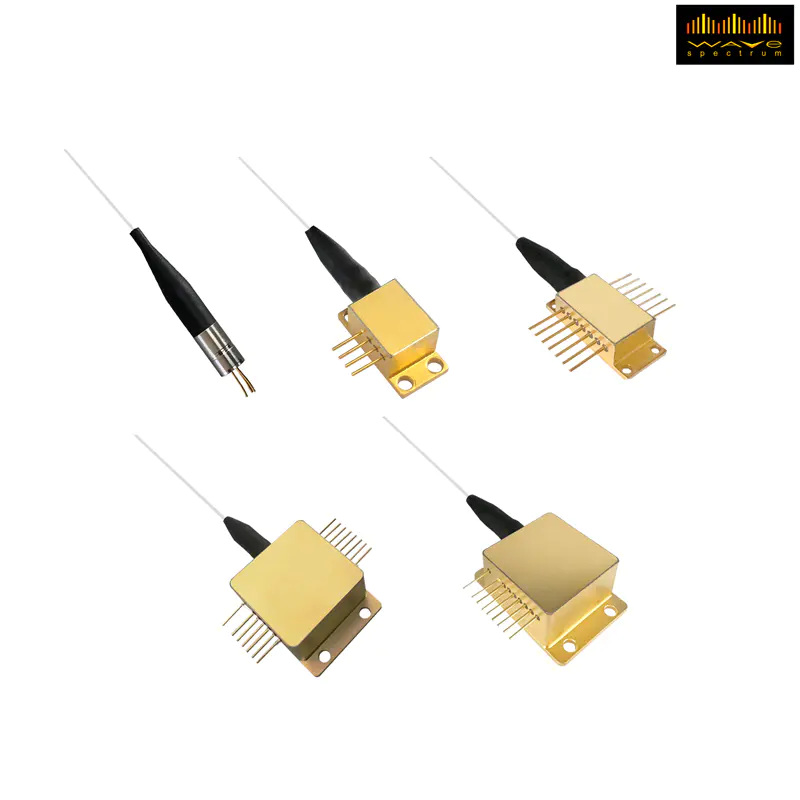
One of the most frequent frustrations I encounter is output instability after extended operation. Traditional free-space laser setups are sensitive to alignment drift, vibration, and temperature changes. A Multi-mode Fiber Coupled Laser Module reduces these risks by integrating the laser source directly with an optical fiber, creating a mechanically stable and optically consistent output.
- Reduced sensitivity to environmental vibration
- Consistent beam delivery over long operating cycles
- Lower maintenance requirements compared to free-space optics
From my experience, this stability translates directly into fewer recalibrations and more predictable system performance.
How Does Multi-mode Fiber Coupling Improve Power Delivery?
Power handling is often a bottleneck, especially in applications such as materials processing, sensing, or illumination. The Multi-mode Fiber Coupled Laser Module excels here because multi-mode fibers can support higher optical power with lower coupling losses.
| Feature | Practical Benefit |
|---|---|
| Multi-mode fiber core | Higher power transmission with reduced risk of damage |
| Uniform energy distribution | More stable illumination or processing results |
| Efficient coupling design | Lower optical loss and better overall system efficiency |
For users who need reliable power delivery without complex optical adjustments, this design approach removes many traditional headaches.
Can a Compact Laser Module Really Simplify System Integration?
Space constraints are a reality in modern equipment design. I have seen many projects delayed simply because a laser source could not be integrated cleanly. A well-designed Multi-mode Fiber Coupled Laser Module solves this by offering a compact, sealed structure that integrates easily into existing systems.
This compactness does not mean sacrificing flexibility. In fact, fiber coupling allows designers to separate the laser source from the working area, which improves thermal management and system layout options.
Why Is Wavelength and Customization Flexibility So Important?
Different applications demand different wavelengths, output powers, and fiber specifications. In my evaluations, the value of a Multi-mode Fiber Coupled Laser Module increases significantly when customization is available without excessive lead times.
- Multiple wavelength options for diverse applications
- Adjustable output power to match process requirements
- Custom fiber core sizes and connector types
This flexibility allows engineers to focus on system performance rather than forcing compromises due to limited laser options.
Is Long-Term Reliability Still a Concern in Demanding Environments?
Reliability is not just a specification; it is a cost factor. Downtime, replacements, and recalibration all add up. A Multi-mode Fiber Coupled Laser Module designed with proper thermal control and optical isolation significantly reduces these risks.
Based on my observations, sealed modules with stable fiber coupling show far better longevity in industrial and laboratory environments, especially where continuous operation is required.
Why Should Buyers Look Beyond Initial Cost When Choosing a Laser Module?
It is tempting to focus on upfront pricing, but I have learned that total cost of ownership tells the real story. A Multi-mode Fiber Coupled Laser Module often delivers better value over time due to reduced maintenance, easier integration, and consistent output performance.
When evaluated across the full lifecycle of a system, these advantages usually outweigh small differences in initial investment.
Are You Ready to Upgrade to a More Reliable Laser Solution?
If you are searching for a laser solution that balances power, stability, and integration simplicity, a Multi-mode Fiber Coupled Laser Module is well worth serious consideration. My experience with solutions from Wavespectrum shows that thoughtful engineering can remove many of the challenges that slow projects down.
If you would like to explore specifications, customization options, or application guidance, I strongly encourage you to contact us. Reach out today and start a conversation about how the right laser module can improve your system performance and reliability.