

What Maintenance Practices Are Essential for Vacuum Interrupters in Railway Systems
2026-03-12
In the demanding environment of rail transport, the reliability of a Vacuum Interrupter For Railway Circuit Breaker is non-negotiable. As a critical component responsible for quenching arcs and isolating faults, its integrity directly impacts network safety. At Sunway Hanguang, we understand that preventative care is the cornerstone of operational efficiency. Implementing rigorous maintenance protocols ensures these interrupters perform optimally, minimizing costly downtime and enhancing the longevity of the traction power supply system.
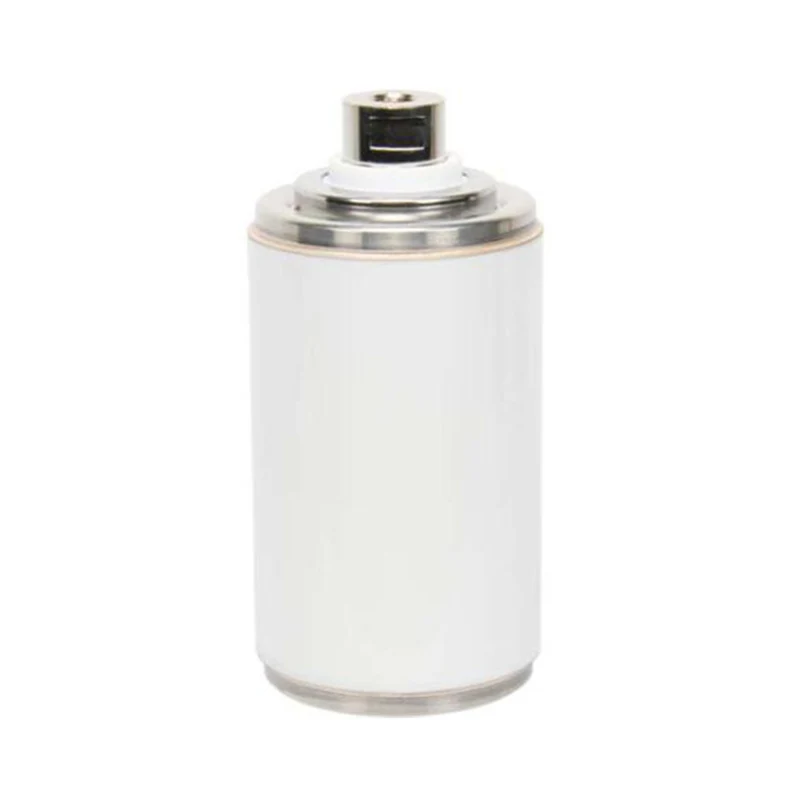
Core Maintenance Protocols
To guarantee the performance of your Vacuum Interrupter For Railway Circuit Breaker, technicians must adhere to a structured inspection routine. Below is a checklist of essential practices derived from industry standards and Sunway Hanguang’s engineering expertise.
-
Visual Inspection: Examine the external ceramic or polymer housing for cracks, tracking, or damage caused by mechanical shock or environmental stress.
-
Contact Wear Assessment: Utilize stroke and over-travel measurements to estimate the erosion of the internal contacts. This is a key indicator of the interrupter’s remaining operational life.
-
Vacuum Integrity Testing: Perform a power-frequency withstand voltage test across the open contacts. This is the most reliable method to confirm the integrity of the vacuum envelope.
-
Mechanical Operation Check: Verify the opening and closing times, ensuring the operating mechanism provides the required force and speed for the interrupter.
-
Dynamic Resistance Measurement: Where possible, conduct a DRM test to assess the condition of the main contacts without intrusive disassembly.
Common Faults and Diagnostic Indicators
Understanding the symptoms of failure is just as important as the maintenance itself. The following table outlines common faults found in the field and the corresponding diagnostic methods used by Sunway Hanguang engineers.
| Common Fault Mode | Visual/Operational Symptom | Diagnostic Method |
|---|---|---|
| Loss of Vacuum | Discoloration (milky white) inside the glass envelope; Failure of withstand test. | High Potential (Hi-Pot) Test |
| Contact Erosion | Increased stroke or reduced contact force; Failure to interrupt current. | Stroke Measurement / Wear Gauge |
| External Flashover | Burn marks or carbon tracking on the external surface. | Visual Inspection / Insulation Resistance Test |
| Mechanical Stoppage | Erratic operation or failure to open/close the breaker. | Timing Test / Mechanism Inspection |
Best Practices for Handling and Storage
Proper handling is a crucial maintenance practice often overlooked. A Vacuum Interrupter For Railway Circuit Breaker is a sealed device, but its physical structure is sensitive.
-
Storage: Always store interrupters in their original packaging, in a dry, vibration-free environment.
-
Handling: Never lift the interrupter by its terminals or bellow shield, as this can damage the critical metal-to-ceramic seal. Always support the main body.
Vacuum Interrupter For Railway Circuit Breaker FAQ
Q: How can I tell if a Vacuum Interrupter For Railway Circuit Breaker has lost its vacuum without specialized equipment?
A: While a high-potential tester is the definitive tool, there are preliminary signs. If you notice a significant change in the color of the internal components—often a shimmering, silvery deposit turning into a dull, milky white on the inside of the glass envelope—it indicates that air has entered the chamber. Additionally, if the circuit breaker consistently fails to interrupt load current or trips repeatedly without a visible external cause, vacuum loss should be suspected. However, visual confirmation should always be followed by a certified withstand voltage test to ensure safety.
Q: What is the typical lifespan of a Vacuum Interrupter For Railway Circuit Breaker in a traction application, and what factors degrade it?
A: The mechanical and electrical life of these interrupters is extensive, often rated for 10,000 to 30,000 mechanical operations and 20 to 30 years of electrical life under normal conditions. However, in railway systems, factors like frequent short-circuit interruptions, high inrush currents from traction motors, and severe environmental vibrations can accelerate contact erosion. Regular measurement of contact erosion is the most accurate way to gauge remaining life, rather than relying solely on operational time.
Q: Is it necessary to clean the external surface of the interrupter, and if so, what cleaning agents are safe?
A: Yes, external cleaning is essential, particularly in railway environments where conductive dust (such as iron filings from brake dust) and saline mist in coastal areas can accumulate. This contamination can create a path for external flashover. The housing should be cleaned with a lint-free cloth lightly moistened with isopropyl alcohol or a mild, non-chlorinated detergent solution. Abrasive cleaners or solvents that could attack the ceramic or epoxy seals must be strictly avoided. Ensure the surface is completely dry before re-energizing the system.
Conclusion
Adhering to these essential maintenance practices ensures that your Vacuum Interrupter For Railway Circuit Breaker delivers the reliability required for modern rail networks. Sunway Hanguang is committed to providing high-quality components that meet the rigorous demands of the railway industry, backed by expert technical support.
Is your current maintenance protocol aligned with industry best practices? Contact us today to discuss your specific requirements or to schedule a consultation with our engineering team. We are here to help you power a safer, more efficient railway.