

What is the environmental impact of lithium polymer battery disposal and recycling
2026-03-31
The rapid proliferation of portable electronics, electric vehicles, and energy storage systems has made the Lithium Polymer Battery a cornerstone of modern technology. However, as adoption surges, so does the pressing question: what is the environmental impact of lithium polymer battery disposal and recycling? At VCELL POWER, we recognize that responsible end-of-life management is not merely an option but a necessity for sustainable innovation.
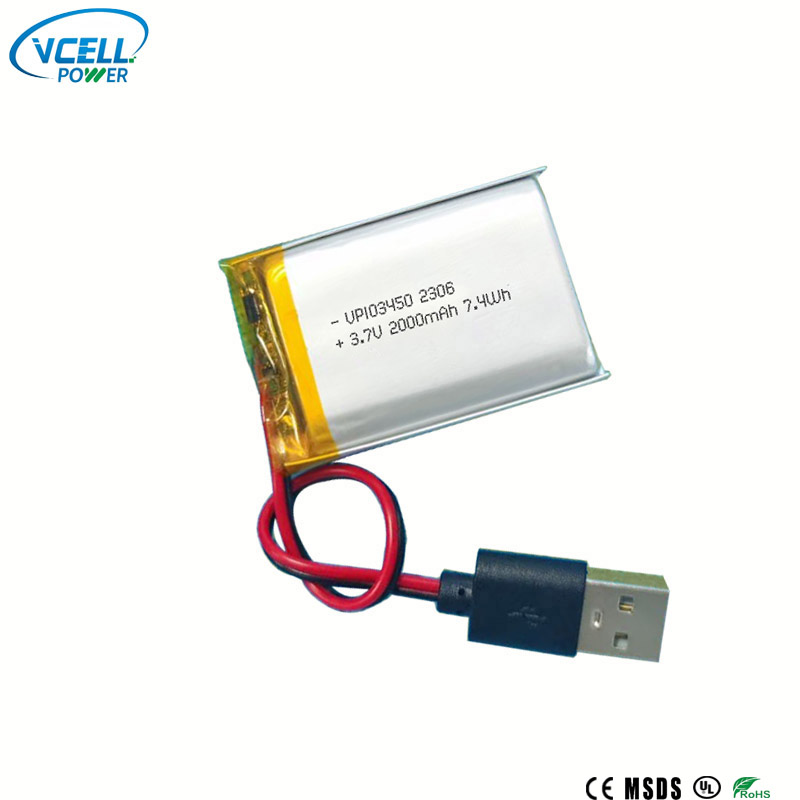
The Environmental Challenges of Improper Disposal
When Lithium Polymer Battery units are discarded in landfills, they introduce multiple environmental hazards. Unlike ordinary household waste, these batteries contain reactive chemicals, heavy metals, and flammable electrolytes. Over time, casing degradation can lead to leakage of cobalt, nickel, manganese, and lithium salts into soil and groundwater. These substances pose risks to aquatic life and can enter the human food chain.
Furthermore, improperly disposed batteries are a known cause of landfill fires. A damaged Lithium Polymer Battery can undergo thermal runaway even in waste facilities, releasing toxic fumes including hydrogen fluoride and volatile organic compounds. The carbon footprint associated with mining virgin materials for new batteries also remains unnecessarily high when recoverable metals are discarded.
Recycling Processes and Material Recovery
Effective recycling transforms a potential environmental liability into a resource opportunity. Modern recycling facilities employ hydrometallurgical and pyrometallurgical processes to recover up to 95% of valuable materials from spent Lithium Polymer Battery cells. The table below outlines the primary recycling methods and their outcomes:
| Recycling Method | Process Description | Recovered Materials | Efficiency Rate |
|---|---|---|---|
| Hydrometallurgy | Chemical leaching using solvents to dissolve and separate metals | Lithium, cobalt, nickel, manganese | 90–95% |
| Pyrometallurgy | High-temperature smelting to recover metal alloys | Cobalt, nickel, copper | 70–85% |
| Direct Recycling | Physical separation of cathode and anode materials for refurbishment | Cathode active material, copper foil, aluminum | 85–90% |
VCELL POWER actively supports closed-loop systems where recovered materials are reintroduced into new Lithium Polymer Battery production. This approach reduces reliance on mining, cuts CO₂ emissions by an estimated 40–60% compared to virgin material extraction, and minimizes hazardous waste.
Regulatory Landscape and Industry Standards
Globally, regulations are tightening around Lithium Polymer Battery disposal. The European Union’s Battery Regulation mandates minimum recycled content targets and imposes extended producer responsibility. In North America, state-level programs require certified collection and recycling channels. Compliance with these frameworks is integral to VCELL POWER’s commitment to environmental stewardship.
Lithium Polymer Battery FAQ
What happens if I throw a lithium polymer battery in the regular trash?
Throwing a Lithium Polymer Battery in regular trash poses serious safety and environmental risks. In landfills, the battery casing can corrode, allowing toxic metals like cobalt and nickel to leach into soil and groundwater. Additionally, if the battery is crushed by garbage trucks or compactors, it may short-circuit and ignite, causing fires that are difficult to extinguish and release hazardous gases. Many municipalities classify these batteries as hazardous waste, and improper disposal can result in fines. Responsible recycling through certified e-waste facilities is the only safe and legal method.
Can lithium polymer batteries be fully recycled and reused
Yes, Lithium Polymer Battery components can be substantially recycled, though achieving 100% material recovery remains technically challenging. Current advanced recycling processes recover between 85% and 95% of valuable metals such as lithium, cobalt, and nickel. The recovered materials are refined and used to manufacture new batteries, reducing the need for virgin mining. However, the polymer electrolyte and separator materials are often processed for energy recovery rather than direct reuse due to their complex composition. Continuous innovation in direct recycling techniques is steadily increasing both the quantity and quality of recoverable materials.
How can consumers safely dispose of lithium polymer batteries
Consumers should never dispose of a Lithium Polymer Battery in household trash or curbside recycling bins. The safest approach is to locate a designated collection point such as those at electronics retailers, municipal hazardous waste facilities, or specialized e-waste recyclers. Before dropping off, discharge the battery to below 30% if possible, and protect terminals with non-conductive tape to prevent short circuits. Many manufacturers, including VCELL POWER, participate in take-back programs that ensure compliant recycling. Consumers are advised to check local regulations, as disposal requirements vary by region.
The Path Forward
The environmental impact of Lithium Polymer Battery disposal and recycling is ultimately determined by collective action. Advanced recycling infrastructure, stricter regulations, and consumer awareness all play critical roles. VCELL POWER integrates sustainability into every stage of the battery lifecycle—from design for recyclability to supporting collection networks that keep hazardous materials out of ecosystems.
Contact Us
For detailed guidance on Lithium Polymer Battery recycling, compliance support, or to learn about VCELL POWER’s sustainable energy solutions, contact our team today. Together, we can build a future where high performance and environmental responsibility advance as one.