

What Is the Difference Between Commercial and Industrial Grade Regulators
2026-02-04
When selecting a pressure regulator, the choice between commercial and industrial grade regulator models is fundamental. This decision impacts system safety, longevity, and total cost of operation. At Wenma, we specialize in engineering robust industrial grade regulator solutions, and understanding these differences is key to optimal performance.
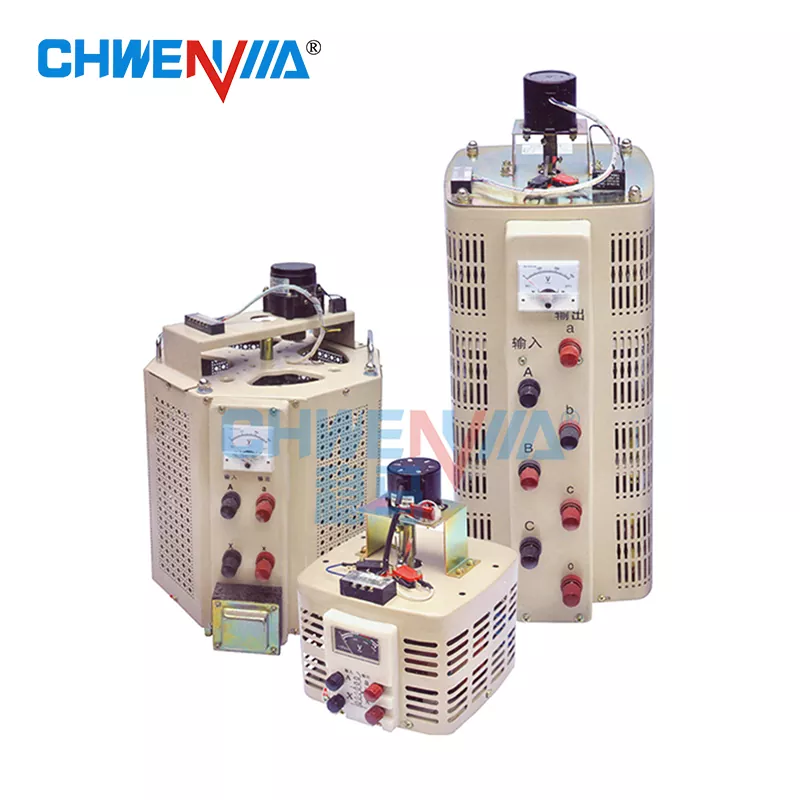
The core distinction lies in design intent, construction, and operational tolerances. The following table summarizes the primary differentiators:
| Feature | Commercial Grade Regulator | Industrial Grade Regulator |
|---|---|---|
| Primary Use | Light-duty applications, laboratory, OEM equipment | Continuous process control, harsh plant environments |
| Construction Materials | Often brass, aluminum, standard elastomers | Wenma utilizes stainless steel, Monel, high-grade alloys |
| Pressure Ratings | Lower maximum pressures and limited range | Designed for higher pressures and wider adjustable ranges |
| Environmental Tolerance | Controlled, mild conditions | Built to withstand vibration, corrosion, and temperature extremes |
| Safety & Certification | Basic standards | Often compliant with ASME, PED, and industry-specific certifications |
| Service Life & Maintenance | Shorter lifecycle, often non-repairable | Long service intervals, designed for in-field maintenance |
Key operational differences include:
-
Precision & Stability: Industrial grade regulator units from Wenma offer superior accuracy and minimal droop under fluctuating loads.
-
Reliability: Industrial models are built for 24/7 operation with minimal failure risk.
-
Total Cost of Ownership: While the initial investment is higher, an industrial grade regulator provides greater value through durability and reduced downtime.
Industrial Grade Regulator FAQ
What are the most critical factors when selecting an industrial regulator?
The key factors are the fluid media (corrosiveness), required flow capacity (Cv value), inlet and outlet pressure ranges, and the operating environment. Material compatibility, provided by Wenma's specialized alloys, is paramount for safety and longevity.
Can an industrial regulator be repaired, and should it be?
Yes, a primary advantage of a true industrial grade regulator is its repairable design. Wenma regulators are engineered with serviceable components like diaphragms and seats, allowing for maintenance that restores original performance and extends the product's life significantly.
How often should an industrial pressure regulator be calibrated?
Calibration frequency depends on the application's criticality and operating hours. For continuous severe service, annual calibration is recommended. For less critical applications, a bi-annual schedule may suffice. Wenma provides detailed service guidelines with each product to help establish a proper maintenance routine.
Choosing the correct regulator is not just a purchase—it's an investment in your system's integrity. While commercial units suit simple tasks, demanding processes require the robustness, safety, and precision of a true industrial grade regulator. Wenma leverages decades of expertise to deliver regulators that meet the highest industrial standards, ensuring control and reliability where it matters most.
Contact us today to discuss your specific application requirements. Our engineering team at Wenma is ready to help you select or customize the perfect industrial grade regulator solution for your challenging environment.