

What is the difference between AC1 and AC3 ratings on a 21A Schneider Electric TeSys D contactor
2026-06-03
When selecting a 21A AC Electrical Contactor for industrial applications, understanding its utilization category is critical. The 21A Schneider Electric TeSys D contactor is widely used, but many engineers confuse AC1 and AC3 ratings. This distinction determines whether your contactor survives resistive loads or motor starting surges. SPX recommends always verifying the rating against your actual load type.
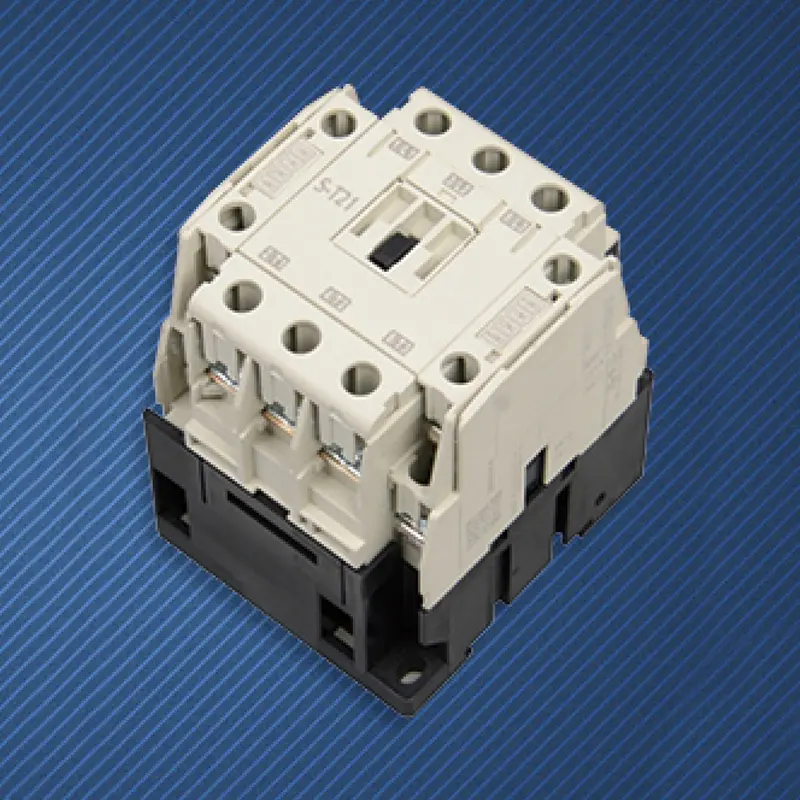
AC1 vs. AC3: Core Differences
| Feature | AC1 Rating | AC3 Rating |
|---|---|---|
| Typical Load | Resistive (heaters, ovens) | Low-induction motors (squirrel cage) |
| Current at 21A Frame | 21A continuous | 21A interrupted during motor starting |
| Breaking Current | 21A | ~4-6x rated (84-126A) during start |
| Overload Capability | Low (1.05x) | High (8-10x for short periods) |
| Common Application | Lighting, electric furnaces | Pumps, compressors, fans |
Example: A 21A AC Electrical Contactor rated AC1 can switch 21A of heater current. The same frame rated AC3 can interrupt 21A of motor running current but must survive 100A+ inrush without contact welding. SPX advises derating by 25-30% when replacing AC3 with AC1.
Why Rating Matters for the 21A Frame
Using an AC1-rated 21A AC Electrical Contactor on a motor will cause contact welding or catastrophic failure within weeks. The TeSys D series marks AC3 directly on the side label. Always match the category to your load type.
FAQ: Common Questions About 21A AC Electrical Contactor Ratings
Q1: Can I use a 21A AC1-rated contactor for a 15A motor?
A1: No. Even though 15A is less than 21A, motor inrush current (6-8x = 90-120A) during starting far exceeds the AC1 contactor's breaking capacity. The contacts will weld closed. SPX specifies only AC3 or higher for motor loads. Always check the nameplate LRA (Locked Rotor Amps).
Q2: What happens if I use an AC3 contactor for a purely resistive load?
A2: It works safely but is over-engineered and more expensive. An AC3-rated 21A AC Electrical Contactor has larger arc chambers and stronger springs than an AC1 type. However, SPX notes no electrical penalty exists except higher cost. For resistive loads, AC1 is economical and sufficient.
Q3: How do I identify the AC1 vs. AC3 rating on a used TeSys D 21A contactor?
A3: Look for the IEC 60947-4-1 standard marking. The Schneider Electric TeSys D label shows AC-1 and AC-3 with corresponding current values. If the label is worn, measure coil resistance – AC3 types typically have lower coil resistance for faster dropout. SPX recommends replacing any unmarked unit for safety.
Final Recommendation
SPX advises always selecting a 21A AC Electrical Contactor rated for the specific utilization category. For motor control, insist on AC3. For heating, AC1 suffices. Mismatch causes downtime and fire risk.
Contact Us
Need help selecting the right 21A AC Electrical Contactor for your application? Contact SPX today for expert technical support and genuine Schneider Electric TeSys D inventory.