

What Is High TG PCB and Why Is It Essential for High-Performance Electronics?
2026-02-26
In modern electronics manufacturing, thermal stability has become a critical factor affecting reliability, safety, and long-term performance. As electronic devices become more compact and powerful, circuit boards must withstand higher operating temperatures without deformation or failure. This is where High TG PCB technology plays a vital role. By offering enhanced thermal resistance and structural stability, High TG PCB materials ensure consistent performance even under demanding thermal conditions.
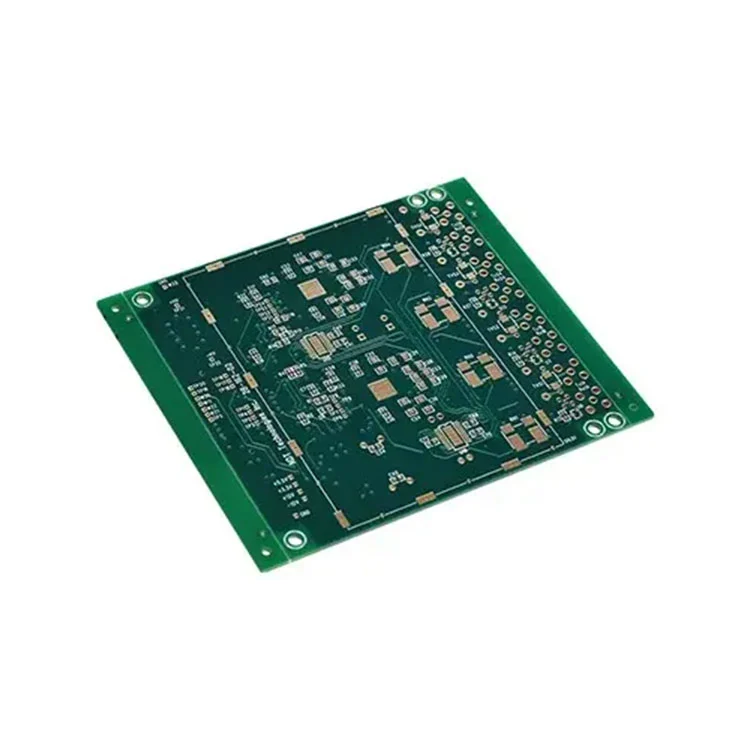
What Does High TG PCB Mean?
High TG PCB refers to printed circuit boards manufactured using materials with a high glass transition temperature (TG). The glass transition temperature is the point at which the PCB substrate changes from a rigid, glass-like state to a softer, rubber-like state.
-
Standard FR-4 PCB TG: ~130°C–140°C
-
Mid TG PCB: ~150°C–170°C
-
High TG PCB: ≥170°C (often 170°C–180°C or higher)
A higher TG value means the material can tolerate higher temperatures before losing mechanical strength and dimensional stability.
Why Is High TG PCB Important in Modern Applications?
As power density increases in electronic assemblies, excessive heat can lead to:
-
Delamination
-
Warping
-
Pad lifting
-
Reduced insulation performance
-
Shortened product lifespan
High TG PCB materials provide improved resistance to:
-
Thermal stress during soldering
-
Lead-free reflow processes
-
Continuous high-temperature operation
-
Thermal cycling
This makes High TG PCB ideal for industries such as automotive electronics, power supplies, industrial control systems, telecommunications, LED lighting, and medical devices.
High TG PCB vs Standard PCB
Below is a simple comparison table:
| Feature | Standard FR-4 PCB | High TG PCB |
|---|---|---|
| TG Value | 130–140°C | ≥170°C |
| Heat Resistance | Moderate | Excellent |
| Thermal Stability | Average | Superior |
| Reliability in High Temp | Limited | High |
| Cost | Lower | Slightly Higher |
| Suitable for Lead-Free | Limited | Highly Suitable |
Although High TG PCB has a slightly higher material cost, the long-term reliability and reduced failure rate significantly outweigh the initial investment.
How Does High TG PCB Improve Performance?
1. Enhanced Thermal Stability
High TG PCB maintains structural integrity under high operating temperatures and during repeated thermal cycles.
2. Improved Mechanical Strength
The substrate remains rigid even when exposed to elevated heat, preventing warping or cracking.
3. Better Chemical Resistance
High TG materials typically offer better resistance to moisture and chemicals.
4. Higher Reliability in Lead-Free Assembly
Lead-free soldering requires higher reflow temperatures. High TG PCB can withstand these temperatures without degradation.
Typical Applications of High TG PCB
High TG PCB is widely used in:
-
Automotive control modules
-
Industrial automation systems
-
High-frequency communication devices
-
Power converters and inverters
-
LED drivers
-
Server motherboards
In these applications, stable performance under high heat is essential for safety and operational continuity.
Key Technical Parameters to Consider
When selecting High TG PCB, important parameters include:
-
TG value (≥170°C recommended)
-
Decomposition temperature (Td)
-
Thermal expansion coefficient (CTE)
-
Thermal conductivity
-
Dielectric constant (Dk)
-
Dissipation factor (Df)
Choosing the right combination ensures optimal electrical and thermal performance.
Why Choose Shenzhen Fanway Technology Co., Ltd for High TG PCB?
At Shenzhen Fanway Technology Co., Ltd, we specialize in manufacturing high-quality High TG PCB solutions designed for demanding environments. Our advantages include:
-
Advanced production equipment
-
Strict quality control system
-
IPC-compliant manufacturing standards
-
Custom multilayer PCB solutions
-
Quick turnaround and flexible production capacity
-
Competitive pricing with stable material sourcing
We understand that reliability is the foundation of electronic products. Our High TG PCB solutions are engineered to deliver consistent performance, extended lifespan, and excellent thermal endurance.
How to Select the Right High TG PCB for Your Project?
Consider the following checklist:
-
What is your maximum operating temperature?
-
Will your board undergo lead-free soldering?
-
Is your design high power or high density?
-
Do you require multilayer or HDI structure?
-
What is your target lifecycle and reliability level?
By analyzing these factors, you can determine whether High TG PCB is the most suitable option.
Common Mistakes When Choosing PCB Materials
-
Selecting low TG material for high-power designs
-
Ignoring thermal cycling conditions
-
Focusing only on cost rather than reliability
-
Overlooking CTE matching with components
These mistakes may lead to early product failure and increased maintenance costs.
Frequently Asked Questions (FAQ)
1. Is High TG PCB always necessary?
Not always. For low-power consumer electronics, standard FR-4 may be sufficient. However, for high-temperature or high-reliability applications, High TG PCB is strongly recommended.
2. Does High TG PCB significantly increase cost?
The material cost is slightly higher, but it reduces failure rates and maintenance expenses, making it cost-effective in the long run.
3. Can High TG PCB be used for multilayer boards?
Yes. High TG materials are commonly used in multilayer and HDI PCBs.
4. Is High TG PCB compatible with lead-free processes?
Yes. It is specifically designed to withstand higher reflow temperatures.
Conclusion
High TG PCB has become an essential solution for modern electronics that operate under high thermal stress. With superior heat resistance, mechanical stability, and long-term reliability, it provides a solid foundation for advanced electronic systems. As electronic devices continue to evolve toward higher power and smaller sizes, the demand for High TG PCB will only increase.
If you are looking for a trusted manufacturer that combines technical expertise, stable quality, and competitive pricing, Shenzhen Fanway Technology Co., Ltd is your ideal partner. Our professional team is ready to provide customized High TG PCB solutions tailored to your project requirements.
For detailed specifications, technical consultation, or a competitive quotation, please contact us today. Let us help you enhance your product reliability and market competitiveness with our premium High TG PCB solutions.