

What Is a Yarn Winder?
2025-10-14
A yarn winder is a mechanical or motorized device designed to transform loose yarn hanks, skeins, or tangled threads into neatly wound cakes or balls that are easier to use during knitting, crocheting, or weaving. In contemporary crafting workflows, a high-quality yarn winder delivers consistent tension, high speed, low noise, and reliability—attributes critical to efficiency, yarn integrity, and user experience.
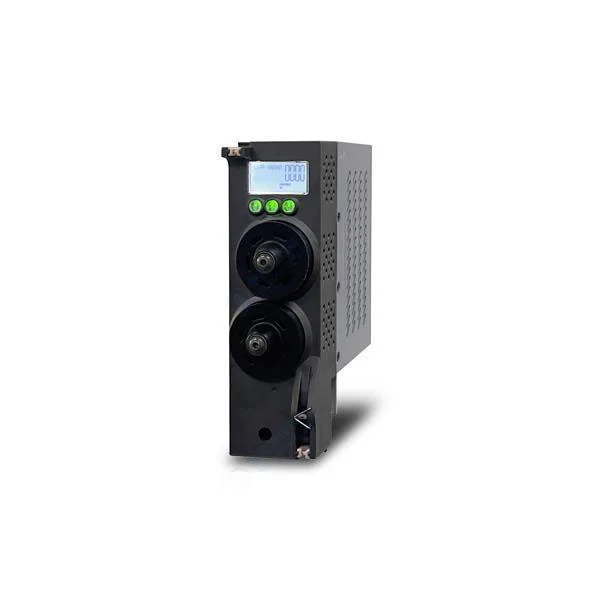
To evaluate or compare yarn winders professionally, several parameters and features deserve attention. Below is a summary in table form:
| Parameter / Feature | Typical Target Value / Range | Importance / Comment |
|---|---|---|
| Motor speed / RPM | 50–500 RPM (stepless variable) | Controls how fast the yarn is wound; faster RPM shortens winding time but may stress delicate yarn. |
| Maximum yarn capacity | 8–20 ounces (≈ 225–565 grams) | Larger capacity helps with big skeins, reduces the need for rewinding mid-project. |
| Tension control | Adjustable knob / spring / magnetic system | Ensures even winding without over-stretching or slack loops. |
| Noise level | ≤ 60 dB (ideally <50 dB) | Quieter machines improve user experience, especially for craft spaces or shared rooms. |
| Yarn guide / feeder mechanism | Movable arm or oscillating feeder | Keeps the yarn path even across the cake to prevent “cone biasing” or side buildup. |
| Build materials & durability | Steel gears, rigid frame, low-friction bearings | Critical for long service life and stability under load. |
| Power supply / voltage | AC 100–240V (or 12 V DC option) | Universal adaptability for global users. |
| Mounting / stabilization | Table clamp, rubber feet, vacuum base | Helps reduce vibration or slippage during operation. |
Operating Principle (How It Works in Brief)
-
Yarn is fed through a guide and tensioner.
-
The arm or feeder mechanism oscillates, guiding yarn side to side as the cake grows.
-
The motor rotates the central spindle or mandrel, winding yarn onto it steadily.
-
The user monitors tension and speed parameters to match yarn type (e.g. lace, worsted, bulky).
Thus, a well-designed design blends mechanical precision, user adjustability, and durability.
Efficiency and Time Savings
Manual winding is tedious, time-consuming, and error prone—especially for large skeins or when winding multiple colors. A quality yarn winder can reduce winding times by 50–90%.
Yarn Integrity & Consistency
Even, controlled tension prevents fiber stress, stretching, or breakage. It ensures that cakes unwind cleanly during use, avoiding tangles.
Ergonomics & Accessibility
For crafters with wrist, hand, or joint issues, manual cranking is often painful or impossible. Motorized or assisted winders alleviate that burden.
Scalability & Professional Use
Small yarn businesses, studios, or workshops require machinery that can handle volume, consistency, and quality assurance over many uses.
Trendline & Market Evolution
As the crafting market embraces automation, smart tools, and user convenience, demand for advanced winders is rising. Features like IoT connectivity, programmable winding profiles, or app control may soon become standard. The trend aligns with the broader “smart tools for makers” movement.
Best Practices, Feature Comparisons, and Troubleshooting
How to Choose the Right Yarn Winder
-
Match capacity to your yarn habits.
If you mostly use skeins under 8 oz, a mid-range winder might suffice. For handling large commercial hanks, look for 12–20 oz capacity. -
Prioritize adjustable tension and smooth guiding.
Fixed tension machines may damage delicate yarns; oscillating feeders help distribute yarn evenly. -
Assess noise, durability, and parts quality.
Look for machines with metal gear trains, easily serviceable components, and soft dampening. -
Check compatibility with mounting styles.
If space is limited, a clamp or vacuum mount may be better than a free-standing unit. -
Consider future features.
Smart control, speed presets, safety cut-off, or integration with other crafting tools can add long-term value.
How to Operate It Safely and Effectively
-
Start at slow speed until the yarn path is stable.
-
Gradually increase speed while monitoring looseness or tight spots.
-
Pause midway to check tension, especially when winding bulky or novelty yarns.
-
Avoid overfilling the cake—stop before full capacity to maintain shape.
-
When stopping, decelerate smoothly rather than cutting off power abruptly to protect the drive train.
How to Maintain and Troubleshoot Common Issues
-
Uneven cake shape / “biasing”: Adjust the oscillating arm travel or guide tension.
-
Strained motor or slipping drive: Clean dust, lubricate bearings, check belt tension.
-
Noise increase over time: Inspect for debris, worn bushings, or misalignment.
-
Yarn snags or tangles: Examine guide edges for burrs or rough surfaces. Use smoother yarn paths.
-
Vibration or slipping: Ensure clamp or base is firmly tightened; add rubber padding where needed.
Common Questions (FAQ) about Yarn Winders
Q: What types of yarn are safe to use with most winders?
A: Most yarn winders support a wide range—lace, fingering, DK, worsted, even some bulky yarns—provided tension is set correctly. Specialty novelty yarns (e.g. loops, slubs) may require slower speed or hand guidance during winding.
Q: How long does a properly wound cake last in use?
A: A well-constructed cake with balanced tension can be used over weeks or months, provided it is stored properly (away from UV, moisture, pests). The wound shape helps maintain structure and prevents tangling.
Emerging Trends & Next Moves
-
Smart & programmable winders. Expect winders that let users specify speed profiles, pauses, layering patterns via apps or built-in memory.
-
Integration with digital crafting systems. As knitting machines or robotic knits evolve, yarn preparation (via winders) may be coordinated automatically.
-
Sustainability & materials. Use of recyclable parts, lower power consumption, and long-life components will matter.
-
Community & content integration. Tutorials, user-shared settings, and social proof will influence purchase decisions.
Zongheng’s Role & Invitation to Engage
Zongheng has been driving innovation in textile tooling with reliable, feature-rich yarn winding machines that balance performance with user needs. For those seeking advanced winding solutions and beyond, Zongheng offers models with adjustable tension, high durability, and modular upgrades that align with emerging trends.
If you’d like to explore or customize a yarn winder that fits your workflow or production scale, contact us to discuss specifications, quotes, or technical consultation.