

What Is a Wire Harness and Why Is It Essential in Modern Electrical Systems?
2026-03-11
In today's rapidly evolving electrical and electronic industries, organized and reliable wiring is critical for performance, safety, and efficiency. A Wire Harness plays a fundamental role in simplifying complex electrical systems by bundling multiple wires or cables into a single organized structure. From automobiles and industrial machines to consumer electronics and aerospace equipment, a Wire Harness ensures stable electrical transmission, reduces installation complexity, and improves long-term durability.
As technology advances, manufacturers increasingly rely on high-quality harness assemblies to enhance product reliability and streamline production. Companies such as Shenzhen Fanway Technology Co., Ltd specialize in designing and manufacturing customized harness solutions that meet the demanding standards of modern industries.
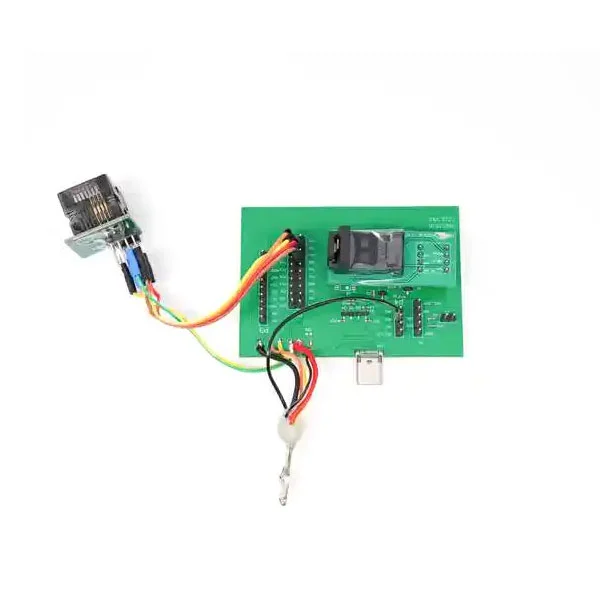
Introduction to Wire Harness
Electrical systems often require numerous wires to transmit signals and power between components. Without proper organization, these wires can become tangled, damaged, or difficult to maintain. A Wire Harness solves this challenge by grouping wires together using protective materials such as sleeves, tapes, conduits, or cable ties.
This structured approach not only protects wiring but also simplifies installation, reduces space usage, and enhances system reliability. With industries moving toward automation and smart devices, the importance of well-designed harness systems continues to grow.
What Is a Wire Harness?
A Wire Harness is an organized arrangement of electrical wires, connectors, terminals, and protective coverings used to transmit signals or electrical power efficiently. Instead of running multiple individual wires throughout a system, a harness bundles them together into a single unit.
Key Functions of a Wire Harness
-
Organizes complex wiring systems
-
Protects wires from vibration, moisture, and abrasion
-
Improves installation efficiency
-
Enhances electrical reliability
-
Simplifies maintenance and troubleshooting
In industrial manufacturing, high-precision harness design is essential to ensure stable performance and long service life.
Key Components of a Wire Harness
A standard Wire Harness is composed of several essential elements that work together to ensure secure electrical connections.
| Component | Description | Function |
|---|---|---|
| Electrical Wires | Conductive cables made of copper or aluminum | Transmit power or signals |
| Connectors | Plug or socket interfaces | Link wires to devices |
| Terminals | Metal contact points | Provide stable electrical connection |
| Insulation | Protective coating around wires | Prevent short circuits |
| Protective Sleeves | Tubes or wraps | Protect from heat, abrasion, and chemicals |
| Cable Ties or Tape | Bundling materials | Keep wires organized |
These components are carefully assembled to create a reliable wiring structure tailored to the application.
Why Is a Wire Harness Important in Electrical Systems?
A well-designed Wire Harness offers several advantages compared with loose wiring systems.
1. Improved Safety
Bundled wires reduce the risk of electrical short circuits and protect conductors from environmental damage.
2. Enhanced Durability
Protective sleeves and insulation shield wires from vibration, friction, and temperature fluctuations.
3. Simplified Installation
Pre-assembled harnesses allow technicians to install entire wiring systems quickly, saving time and labor costs.
4. Better Space Management
A Wire Harness organizes wires efficiently, minimizing clutter in compact equipment designs.
5. Reduced Maintenance Time
Clearly organized wiring makes troubleshooting and replacement much easier.
Wire Harness vs Cable Assembly
Although the terms are sometimes used interchangeably, a Wire Harness and a cable assembly serve different purposes.
| Feature | Wire Harness | Cable Assembly |
|---|---|---|
| Structure | Multiple wires bundled together | One or several cables enclosed in protective jacket |
| Protection Level | Moderate protection | Higher protection |
| Flexibility | Highly flexible | Less flexible |
| Cost | Generally lower | Higher due to heavy insulation |
| Typical Applications | Automotive, appliances, electronics | Industrial machinery, outdoor equipment |
Understanding the difference helps engineers select the appropriate solution for their electrical systems.
Common Applications of Wire Harness
A Wire Harness is widely used across many industries due to its versatility and reliability.
Automotive Industry
Modern vehicles rely on extensive wiring systems. Harnesses connect sensors, lighting systems, engines, and electronic control units.
Consumer Electronics
Devices such as computers, home appliances, and smart devices use compact harness systems to maintain organized internal wiring.
Industrial Equipment
Robotic systems, automation machines, and control panels depend on durable harnesses to ensure stable operation.
Medical Devices
Precision medical equipment requires reliable signal transmission and safe electrical connections.
Aerospace and Defense
Aircraft and spacecraft use advanced harness systems designed to withstand extreme environmental conditions.
How to Choose the Right Wire Harness Manufacturer
Selecting a reliable supplier is critical for ensuring product quality and system reliability. Consider the following factors when choosing a Wire Harness manufacturer.
Key Selection Criteria
-
Engineering and design capabilities
-
Quality control standards
-
Customization options
-
Industry certifications
-
Production capacity
-
Technical support and after-sales service
Manufacturers with strong R&D capabilities can provide tailored solutions that match specific industry requirements.
Benefits of Customized Wire Harness Solutions
Customized Wire Harness designs offer significant advantages for specialized applications.
Major Benefits
-
Optimized wiring layout for specific equipment
-
Improved electrical performance
-
Reduced installation errors
-
Enhanced durability under unique environmental conditions
-
Better compatibility with system components
Shenzhen Fanway Technology Co., Ltd focuses on delivering customized harness solutions designed to meet the unique needs of global customers. With advanced production equipment and strict quality control processes, the company provides reliable wiring systems for various industries.
Future Trends in Wire Harness Technology
The Wire Harness industry continues to evolve as new technologies emerge.
Key Trends
-
Lightweight materials for improved efficiency
-
High-speed data transmission harnesses
-
Integration with smart sensors and IoT systems
-
Increased automation in manufacturing
-
Eco-friendly insulation materials
These developments will enable harness systems to support the next generation of intelligent devices and automated equipment.
FAQ
1. What is the primary purpose of a Wire Harness?
The main purpose of a Wire Harness is to organize and protect multiple electrical wires while ensuring reliable transmission of power and signals.
2. How does a Wire Harness improve system reliability?
By bundling wires and protecting them with insulation and sleeves, a Wire Harness reduces the risk of mechanical damage, electrical interference, and short circuits.
3. What industries commonly use Wire Harness products?
Industries such as automotive, electronics, aerospace, industrial automation, and medical equipment widely use Wire Harness solutions.
4. Can Wire Harness systems be customized?
Yes. Many manufacturers offer custom designs based on cable length, connectors, environmental requirements, and electrical specifications.
5. What materials are used in a Wire Harness?
Typical materials include copper conductors, plastic or rubber insulation, protective tubing, and metal connectors.
Conclusion
A Wire Harness is an essential component in modern electrical and electronic systems. By organizing multiple wires into a single structured unit, it improves safety, reliability, and installation efficiency. As industries continue to adopt advanced technologies, the demand for high-quality harness solutions will only increase.
Shenzhen Fanway Technology Co., Ltd is committed to providing professional Wire Harness manufacturing services, offering customized solutions that meet the highest industry standards. If you are looking for reliable wiring solutions to enhance your equipment performance, contact us today to learn how our expertise and advanced manufacturing capabilities can support your next project.