

Article Summary
A Double-Sided LED Display is designed to deliver bright, readable digital content in two opposite viewing directions from a single installation. This makes it particularly useful for roadsides, commercial buildings, transportation areas, shopping districts, parking facilities, event venues, and other locations where audiences approach from different directions. This guide explains how double-sided LED displays work, where they create the most value, which technical factors affect performance, and what buyers should consider before purchasing or customizing a display.
What Is a Double-Sided LED Display?
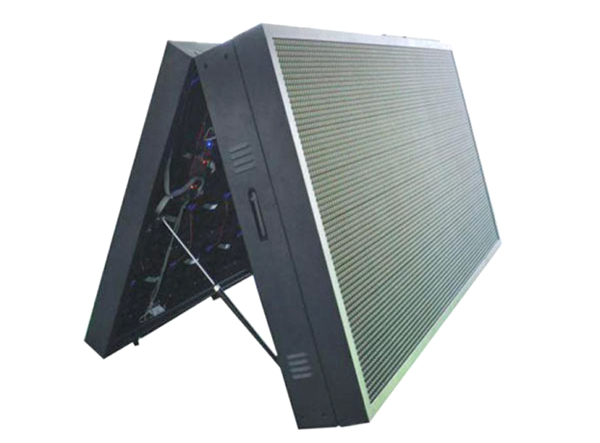
A Double-Sided LED Display is a digital display system with LED panels arranged so that visual content can be viewed from two opposite directions. Unlike a conventional single-sided screen that faces one audience area, the double-sided configuration allows one installation point to communicate with people approaching from both sides.
This configuration is especially practical when a sign is installed along a road, suspended above a pedestrian area, positioned between two commercial spaces, or mounted where traffic moves in opposite directions. Instead of installing two independent structures, a double-sided LED solution can place both display faces within one integrated cabinet or support structure.
For commercial buyers, the value is not simply having two screens. The important question is whether the installation can communicate effectively with two audience flows while maintaining appropriate brightness, weather resistance, viewing distance, structural stability, and convenient maintenance.
Why Two-Sided Visibility Matters
A traditional digital sign may perform well when all viewers approach from one direction. However, many real-world commercial locations do not have such a simple traffic pattern. Vehicles travel in both directions, pedestrians enter from different streets, and customers may pass a sign before or after entering a facility.
Installing only one display surface in such an environment can leave part of the available audience outside the effective viewing angle. A second screen changes the communication geometry without necessarily requiring a second installation location.
More Effective Site Coverage
Two viewing faces can cover opposite traffic or pedestrian directions, making the selected installation point more useful.
Better Use of Structural Space
A shared support structure can accommodate two display surfaces where local conditions permit, reducing unnecessary duplication of mounting positions.
Flexible Content Delivery
The two sides can display identical content or different campaigns depending on the controller and system configuration.
Stronger Communication Opportunities
For commercial environments, exposure from two directions can support advertising, wayfinding, promotions, announcements, or operational information.
However, double-sided does not automatically mean better in every location. The site geometry, viewing distance, road direction, installation height, power availability, maintenance access, and local environmental conditions should all be evaluated before choosing the configuration.
How the Display Structure Works
A double-sided LED display normally consists of two LED display faces, a structural cabinet or frame, power distribution components, control electronics, communication components, and an installation structure. Depending on the application, the two faces may share certain system components while maintaining independent LED modules on each side.
LED Modules
The LED module is the fundamental image-forming unit. Pixel pitch, LED package type, module dimensions, protection level, and module accessibility influence image quality and maintenance requirements.
Display Cabinet
The cabinet provides mechanical support and protects internal components. For outdoor installations, cabinet construction needs to account for rain, dust, temperature changes, wind loading, and long operating periods.
Control System
The control system determines how visual content reaches the display. Depending on the project, both sides may show synchronized content, independent content, scheduled messages, advertisements, or different information for different viewing directions.
Power and Thermal Management
LED displays generate heat during operation. A suitable power distribution design and thermal management approach help maintain stable operation. For outdoor installations, the design should also consider the local climate and the expected daily operating schedule.
| Component | Main Function | Buyer Consideration |
|---|---|---|
| LED Module | Creates the visual image | Pixel pitch, brightness, protection and serviceability |
| Cabinet | Supports and protects display components | Strength, weather resistance and maintenance access |
| Controller | Receives and manages content | Content format, connectivity and dual-side control |
| Power System | Supplies operating power | Power stability, distribution and safety requirements |
| Mounting Structure | Supports the complete display | Wind load, installation method and site conditions |
Where Double-Sided LED Displays Are Used
The strongest applications are generally locations where two-way visibility is part of the site's natural traffic pattern. The display should be positioned according to how people actually move through the area rather than simply where there is available installation space.
Roadside Advertising
Roadside locations often have vehicles approaching from opposite directions. A double-sided configuration can provide advertising visibility to both traffic flows, subject to road regulations, viewing distance, and local installation requirements.
Shopping Centers and Commercial Buildings
Retail properties can use double-sided LED displays near entrances, driveways, parking access points, or high-traffic external areas. One side may communicate an entrance promotion while the other provides directional or promotional information.
Transportation Facilities
Stations, terminals, parking facilities, and transportation hubs can benefit from displays visible to people arriving and leaving. Content may include directions, schedules, announcements, commercial information, or emergency messages.
Event Venues
Sports facilities, exhibition areas, concert venues, and temporary event spaces often have multiple audience flows. A two-sided screen can communicate event information without requiring separate display structures for every direction.
Public and Commercial Information
In appropriate installations, double-sided LED screens can also provide community announcements, facility information, public messages, or directional content where two-way visibility is required.
Key Specifications to Evaluate Before Purchase
Choosing a Double-Sided LED Display requires more than comparing cabinet dimensions and quoted prices. Different projects have different visual and environmental requirements, so the specification should be matched to the actual installation conditions.
1. Pixel Pitch
Pixel pitch represents the distance between neighboring pixels. A smaller pixel pitch generally supports finer image detail and is more suitable for closer viewing distances. Larger pitches can be appropriate for long-distance viewing where extremely fine detail is less important.
2. Brightness
Outdoor displays must remain readable under changing ambient light conditions. Brightness should be considered together with viewing distance, direct sunlight, content type, and automatic brightness control. Excessively high brightness is not necessarily desirable if it creates unnecessary power consumption or visual discomfort.
3. Refresh Rate
For advertising, event and video applications, refresh performance can influence how moving images appear on camera and to viewers. Buyers should confirm the refresh specification according to the intended content and operating environment.
4. Weather Protection
Outdoor LED displays need protection against rain, dust, humidity and other environmental factors. The appropriate protection level depends on whether the display is fully exposed or partially sheltered.
5. Viewing Angle
Two-sided configuration solves the direction problem, but each display face still needs a suitable viewing angle. A wide audience area may require a configuration that maintains readable images away from the center line.
6. Maintenance Method
Maintenance access can have a significant effect on operating costs. Front-service, rear-service, or mixed maintenance designs should be selected according to the installation space and access conditions.
| Specification | Why It Matters | Questions to Confirm |
|---|---|---|
| Pixel Pitch | Determines image detail and suitable viewing distance | How far away will most viewers be? |
| Brightness | Affects daytime readability | Will the screen receive direct sunlight? |
| Refresh Rate | Supports smooth content presentation and camera use | Will video or live camera recording be involved? |
| Protection Level | Helps protect against outdoor conditions | Is the installation fully exposed? |
| Service Access | Affects maintenance efficiency | Is there sufficient rear access? |
| Control Method | Determines how content is managed | Do both sides require synchronized or independent content? |
Installation and Content Considerations
A technically capable LED display can still deliver poor results if the installation environment is not considered carefully. The screen should be treated as part of a complete communication system rather than as an isolated electronic product.
Consider the Viewing Distance
Content should be designed according to the distance between the viewer and the display. Large text, strong contrast, simple graphics, and short messages are generally easier to read from a distance than dense paragraphs or small details.
Study the Sunlight Direction
For outdoor applications, sunlight changes throughout the day and across seasons. The orientation of each display face should be reviewed before installation. A site assessment can help determine the required brightness and whether additional shading or structural considerations are necessary.
Plan for Wind and Structural Loads
A double-sided display can present a substantial surface area to wind. The support structure, mounting points, foundation, and surrounding environment should therefore be assessed by qualified professionals according to local requirements.
Separate Content by Audience
One useful feature of a two-sided system is that the content does not always need to be identical. For example, a display facing an entrance could show promotional content while the opposite side provides directions or information for people leaving the property.
How to Select a Suitable Double-Sided LED Display
For project buyers, the most efficient purchasing process starts with the application rather than a fixed screen specification. A supplier can provide a more appropriate configuration when the installation conditions and intended use are clearly defined.
-
Define the installation location.
Provide information about whether the display will be roadside, building-mounted, pole-mounted, suspended, or installed at a commercial venue. -
Estimate the viewing distance.
Identify the approximate nearest and farthest viewing positions. This information helps determine an appropriate pixel pitch. -
Describe the operating environment.
State whether the display will be indoors, outdoors, exposed to rain, exposed to strong sunlight, or located in a high-humidity environment. -
Confirm content requirements.
Explain whether the two sides will show identical content, independent content, scheduled campaigns, video, advertisements, or informational messages. -
Discuss dimensions and structure.
Screen dimensions should be coordinated with the mounting position, viewing distance, wind conditions, available space, and local structural requirements. -
Confirm service and support requirements.
Ask about spare parts, module replacement, technical support, warranty terms, installation assistance, and long-term maintenance procedures.
For international buyers, it is also useful to confirm packaging, shipping dimensions, electrical requirements, documentation, installation instructions, and communication interfaces before placing a production order.
Maintenance and Long-Term Reliability
LED displays are designed for repeated operation, but long service life depends on appropriate installation, environmental protection, electrical stability, and maintenance. A maintenance plan should be considered before the display is installed rather than after a problem occurs.
Keep Ventilation and Thermal Conditions Under Control
Electronic components perform differently as temperatures change. The cabinet and thermal management system should be appropriate for the expected environment and operating schedule.
Inspect Connections Periodically
Power and communication connections should be checked according to the maintenance schedule. Loose or damaged connections can affect individual modules or larger sections of the display.
Monitor Module Performance
Early identification of abnormal pixels, brightness differences, communication errors, or power issues can prevent a small problem from becoming a larger service interruption.
Keep Spare Components Available
For important commercial displays, keeping suitable spare modules and other commonly replaced components can reduce downtime when maintenance is required.
Why Allenson Can Support Custom Display Projects
Every Double-Sided LED Display project has its own installation conditions. A roadside advertising screen may require different brightness and structural considerations from a commercial building display, while an event application may place greater emphasis on quick installation and content flexibility.
Allenson can work with buyers to clarify the intended application, display dimensions, viewing distance, environmental conditions, control requirements, and installation method before determining the appropriate configuration. This application-focused approach helps buyers avoid paying for specifications that are unnecessary while ensuring that important requirements are not overlooked.
For OEM and project-based orders, communication should cover more than the LED panel itself. Cabinet construction, module configuration, power system, control method, maintenance access, packaging, documentation, and customization requirements can all influence the final solution.
Application-Based Configuration
Display parameters can be discussed around the actual viewing environment and intended use rather than relying on a one-size-fits-all specification.
Project Customization
Dimensions, display configuration, cabinet arrangement and content-control requirements can be evaluated for project applications.
Commercial Communication
Clear technical information helps international buyers compare configurations and prepare their installation plans more efficiently.
Long-Term Service Considerations
Maintenance access, replacement components and technical support can be discussed as part of the complete purchasing process.
Frequently Asked Questions About Double-Sided LED Displays
What is the main purpose of a Double-Sided LED Display?
Its main purpose is to provide digital visual communication in two opposite viewing directions from one display installation. It is commonly considered for locations with two-way vehicle or pedestrian traffic.
Can both sides show different content?
Yes, depending on the controller and system configuration. The two faces can be synchronized or managed independently for different messages, advertisements, schedules, or information.
Is a double-sided LED display suitable for outdoor use?
Outdoor models can be designed for exposed environments, but the required configuration depends on rain, dust, sunlight, temperature, humidity, wind and other site conditions. The protection and structural specifications should be confirmed for the actual project.
How should I choose the pixel pitch?
Pixel pitch should primarily be matched to viewing distance and the level of image detail required. Close-viewing applications generally require finer pixel spacing, while long-distance applications can often use a larger pitch.
Does a double-sided display consume twice as much power?
Two active display faces naturally require more power than one display face of the same size, but actual consumption depends on display dimensions, LED components, brightness settings, content, operating conditions and system design.
Can the size of a Double-Sided LED Display be customized?
Many project-oriented LED display systems can be configured according to required dimensions and installation conditions. Customization should be evaluated together with cabinet structure, pixel pitch, power requirements and mounting conditions.
What information should I provide when requesting a quotation?
Useful information includes display dimensions, indoor or outdoor application, viewing distance, installation location, preferred pixel pitch if known, brightness requirements, content-control requirements, quantity, delivery destination, and any customization needs.
What should be considered for maintenance?
Consider service access, spare modules, power and communication connections, environmental protection, thermal management, technical support, and the expected operating schedule. These factors can influence the total cost and convenience of long-term operation.
Planning a Double-Sided LED Display Project?
The right display configuration starts with the actual installation environment. Share your required screen size, viewing distance, application, outdoor conditions, quantity, and customization requirements with Allenson. Our team can help you evaluate the appropriate Double-Sided LED Display configuration for your project and provide detailed technical information and a quotation.
If you are sourcing for an advertising project, commercial building, transportation facility, event venue, or other two-way viewing application, contact us to discuss your requirements.
Contact Us