

What IP Rating Should an IO Heavy Duty Encoder Have for Washdown Areas
2026-09-28
Selecting the right protection level for an IO Heavy Duty Encoder in washdown environments is one of the most critical decisions for engineers in food and beverage processing, pharmaceutical manufacturing, and heavy industrial cleaning applications. Jingyue has supplied rugged motion feedback solutions to these industries for years, and one question consistently arises: how much water protection is actually enough? The answer depends on cleaning method, chemical exposure, and mounting position — not simply on choosing the highest number available.
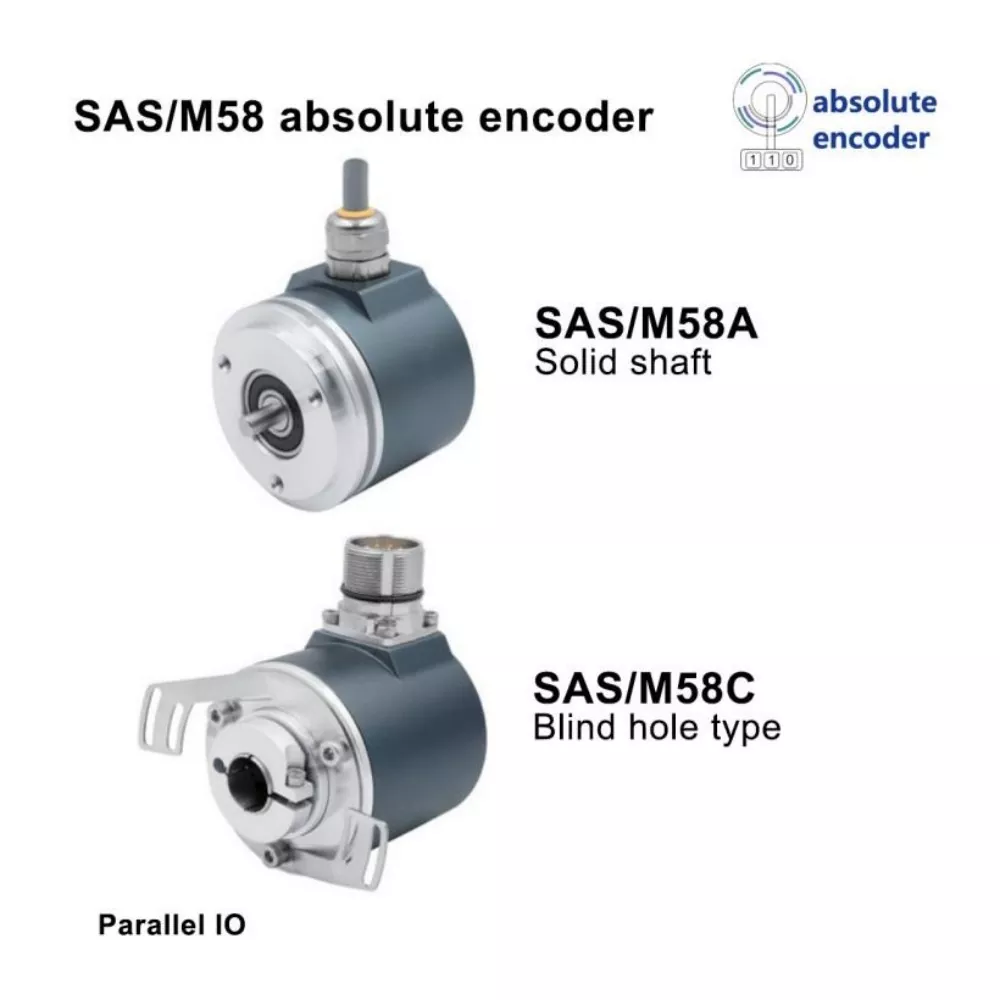
Understanding IP Ratings for IO Heavy Duty Encoder Applications
The IP (Ingress Protection) code defines resistance to solids and liquids. For washdown areas, the second digit matters most.
| IP Rating | Water Protection | Typical Washdown Suitability |
|---|---|---|
| IP65 | Water jets from any direction | Light spray, occasional splash |
| IP66 | Powerful water jets | Moderate washdown, most food zones |
| IP67 | Temporary immersion (30 min, 1 m) | Harsh washdown, puddle-prone areas |
| IP68 | Continuous immersion | Extreme conditions, submersion cleaning |
| IP69K | High-pressure, high-temperature jets | Steam cleaning, sanitary washdown |
For most washdown areas, Jingyue recommends IP66 to IP69K, depending on the specific cleaning regime.
Matching the Rating to the Cleaning Method
-
Manual hose cleaning (low pressure): IP65 is often sufficient, though IP66 provides a safer margin.
-
High-pressure washdown: IP66 or IP67 minimum; seals must resist repeated jet impact.
-
Steam or chemical foam cleaning: IP69K is the correct choice, as it withstands high-temperature, high-pressure jets.
-
Frequent immersion or flooding: IP67 or IP68, combined with proper cable gland sealing.
Design Factors That Support the Rating
An IO Heavy Duty Encoder only performs to its stated IP rating when the full assembly is protected. Jingyue engineers focus on:
-
Double-lip shaft seals to block water ingress at the rotating interface.
-
Encapsulated electronics to prevent condensation damage.
-
Stainless steel housings for corrosion resistance in chemical washdown.
-
IP-rated cable glands and connectors to eliminate weak entry points.
-
Pressure equalization vents to avoid seal failure during temperature swings.
Common Mistakes in Washdown Installations
-
Choosing IP67 but using a standard connector, which becomes the failure point.
-
Ignoring chemical compatibility — water resistance does not equal chemical resistance.
-
Mounting the encoder where it sits in standing water after cleaning.
-
Overlooking temperature: IP69K testing includes heat, but continuous steam exposure still stresses seals.
IO Heavy Duty Encoder FAQ
Q: Can an IP65 IO Heavy Duty Encoder survive daily washdown in a food plant?
A: Generally no. Daily high-pressure washdown will eventually force water past IP65 seals. For routine washdown, specify at least IP66, and prefer IP67 or IP69K where direct jet contact is unavoidable. Jingyue recommends reviewing the actual cleaning procedure before finalizing the rating.
Q: Is IP69K always better than IP68 for an IO Heavy Duty Encoder?
A: Not always. IP69K targets high-pressure, high-temperature jets, while IP68 targets continuous immersion. If the encoder is submerged rather than jet-cleaned, IP68 is the correct specification. Some Jingyue models combine both ratings for maximum flexibility.
Q: How can I verify that an IO Heavy Duty Encoder truly meets its IP rating?
A: Request third-party test reports, confirm the rating applies to the complete unit including connectors, and check that sealing materials match your cleaning chemicals. Jingyue provides documented IP test data and application support to confirm the right model for your washdown conditions.
Contact Us
Choosing the correct IP rating protects uptime, reduces replacement costs, and keeps sanitation compliance intact. Jingyue offers IO Heavy Duty Encoder solutions engineered for washdown environments, with expert guidance on IP selection, sealing, and installation. Contact us today to discuss your application and receive a tailored recommendation.