

What Innovations Are Shaping the Future of High Power Three Phase Regulators
2026-03-12
The industrial landscape is evolving rapidly, and at the heart of this transformation lies the need for stable, efficient, and intelligent power management. As factories automate and renewable energy sources become standard, the High Power Three Phase Regulator is no longer just a protective device—it is a strategic asset. At Wenma, we are at the forefront of integrating cutting-edge technology into voltage regulation to meet these modern demands.
Today, we explore the key innovations redefining how industries utilize power.
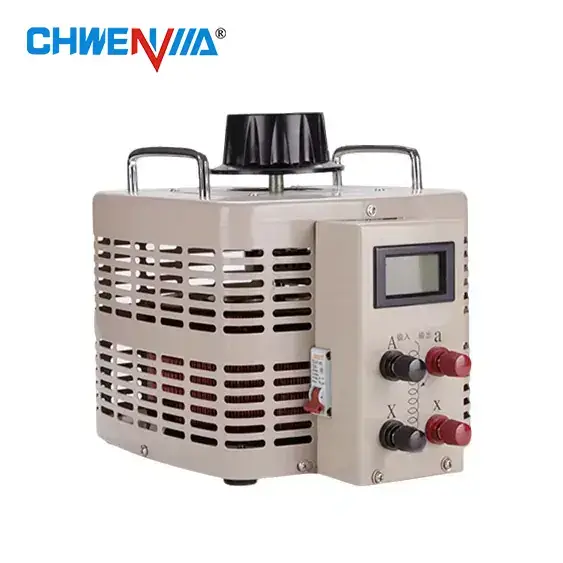
The Shift Toward Digital Intelligence
The most significant change in the industry is the transition from analog to digital control. Modern High Power Three Phase Regulator units are now equipped with microprocessors that allow for real-time monitoring and predictive adjustments. This shift ensures that machinery receives precisely the voltage it needs, which minimizes waste and maximizes output.
Key Technological Advancements
To provide a clearer picture, here are the primary innovations currently shaping the market:
| Innovation | Impact on Performance | Benefit to End-User |
|---|---|---|
| DSP-Based Control | Processes voltage corrections in microseconds. | Eliminates flicker and protects sensitive CNC machinery. |
| IGBT Technology | Replaces traditional bulky transformers with solid-state switching. | Reduces unit size and increases energy efficiency. |
| IoT Connectivity | Enables remote access to power data via cloud platforms. | Allows for predictive maintenance and reduces downtime. |
| Modular Design | Allows for hot-swapping of internal components. | Simplifies repairs and scales power capacity easily. |
Why Material Science Matters
Beyond software, the physical construction of the High Power Three Phase Regulator has also seen a revolution. Manufacturers like Wenma are utilizing high-grade silicon steel and advanced epoxy coatings in our transformers. These materials significantly reduce eddy current losses and heat generation, ensuring that the unit operates coolly even under loads exceeding 1000A.
Furthermore, the integration of smart cooling fans that only activate when thermal thresholds are met extends the lifespan of the regulator by years, making it a truly sustainable choice for heavy industries.
The Rise of Customization
Industries today demand specific solutions rather than generic boxes. The future lies in customizable firmware that allows a High Power Three Phase Regulator to be tuned for specific applications—whether it is for a medical imaging center requiring absolute zero fluctuation or a heavy manufacturing plant dealing with motor startups.
Frequently Asked Questions
To help you better understand this technology, here are answers to some common queries regarding the High Power Three Phase Regulator.
What is the primary function of a High Power Three Phase Regulator in an industrial setting?
In an industrial setting, the primary function is to maintain a stable output voltage despite fluctuations in the input power supply. It protects expensive machinery, such as motors, compressors, and robotics, from damage caused by voltage sags, surges, or imbalances. This ensures consistent production quality and prevents costly unplanned downtime.
How does a High Power Three Phase Regulator improve energy efficiency compared to older models?
Modern regulators, particularly those utilizing IGBT or DSP technology, improve efficiency by reducing the energy lost as heat during the regulation process. Unlike older electromechanical models that constantly draw high power, new solid-state units only draw the necessary current to correct variances. This can lead to energy savings of 5-15% depending on the application, directly lowering the operational carbon footprint.
Can a High Power Three Phase Regulator handle both voltage regulation and harmonic distortion?
Yes, advanced models are now designed to handle both. While the core function remains voltage regulation, innovations in filtering circuits within the regulator allow it to act as a buffer against harmonic distortion generated by Variable Frequency Drives (VFDs) and other non-linear loads. This dual-action capability simplifies the electrical panel and reduces the need for separate filtering equipment.
Secure Your Power Infrastructure Today
As power grids face increasing strain and industrial equipment becomes more sensitive, relying on outdated regulation technology is a risk you cannot afford. At Wenma, we specialize in providing robust, innovative, and customized High Power Three Phase Regulator solutions designed to future-proof your operations.
Do not let power instability dictate your productivity. Contact us today for a consultation and discover how our advanced regulators can deliver precision, efficiency, and peace of mind to your facility.