

What Factors Should You Consider When Choosing a Low Profile Servo for Your Project
2026-03-03
Selecting the right actuator is critical for the success of any engineering or hobbyist project. When space is at a premium and precision is non-negotiable, a Low Profile Servo becomes the component of choice. However, with various options on the market, making a decision can be complex. At Flash Hobby, we understand that the right fit can make or break your build. To ensure optimal performance, you must evaluate several key technical specifications and physical constraints before making a purchase.
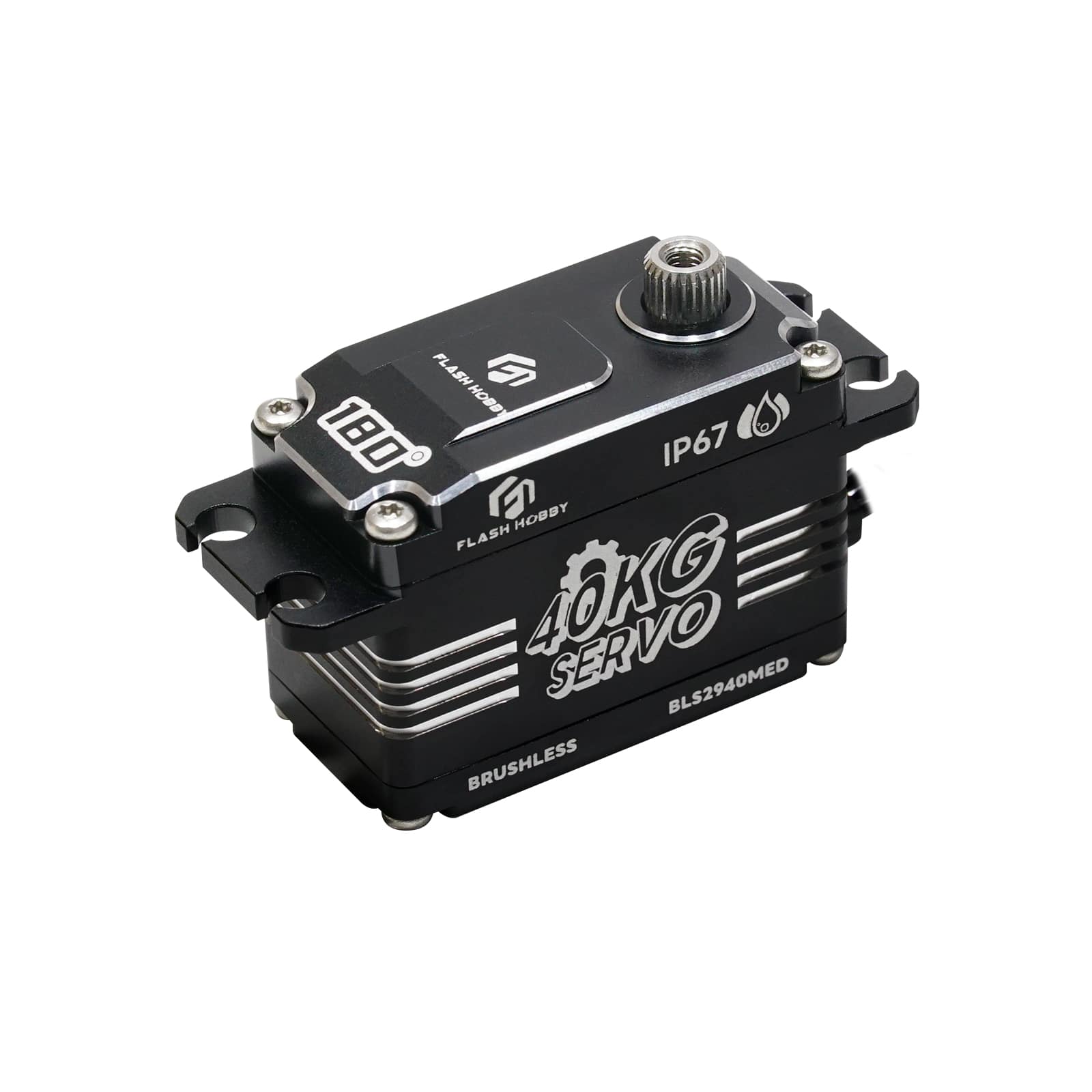
Key Selection Criteria for Your Actuator
To help you navigate the selection process, we have broken down the essential factors into a clear format. Pay close attention to these parameters to ensure the Low Profile Servo you choose integrates seamlessly with your project’s demands.
Technical Specifications Comparison
The table below outlines the critical technical aspects you should compare across different models:
| Feature | Why It Matters | Recommendation |
|---|---|---|
| Torque Output | Determines the force the servo can exert. Insufficient torque leads to failure under load. | Calculate the required torque with a safety margin of 20-30%. |
| Speed | Affects the reaction time and dynamic performance of your mechanism. | Match the speed (sec/60°) to the mechanical demands of your application. |
| Voltage Range | Dictates compatibility with your power supply and affects performance stability. | Ensure your power system consistently delivers voltage within the servo’s rated range. |
| Gear Material | Impacts durability, precision, and resistance to wear (e.g., plastic vs. metal). | Opt for metal gears for high-stress applications to ensure longevity. |
Physical and Operational Considerations
Beyond the raw data sheet, the context of your build dictates the final choice. Here are the primary physical factors to evaluate:
-
Dimensions and Weight: Verify the exact height and mounting pattern. The primary advantage of a Low Profile Servo is its slim design, which is useless if the footprint doesn't fit your chassis.
-
Shaft Style and Spline Count: Ensure the output shaft matches your existing horns or linkages. Common counts are 25T (standard) and 21T.
-
Wire Gauge and Length: Thicker wires reduce voltage drop under high load. Confirm the wire length is sufficient for your layout without needing unsightly extensions.
-
Control System Compatibility: Verify if the servo uses standard PWM or requires a digital signal. Most modern builds benefit from digital servos for their precision and holding power.
Why Precision Engineering Matters
Choosing a component based solely on price often leads to premature failure. A high-quality Low Profile Servo from a trusted provider like Flash Hobby ensures that the internal potentiometer and motor are matched for linear response. This means that when your controller asks for 90 degrees, the servo stops exactly at 90 degrees, not 88 or 92. This precision is vital for applications like camera gimbals, robotic arms, and CNC actuation where accuracy is paramount.
Frequently Asked Questions
To further assist your decision-making process, here are answers to common queries regarding these specialized components.
What is the main advantage of using a Low Profile Servo over a standard one?
The primary benefit is space conservation. A Low Profile Servo is designed with a reduced height compared to standard cylindrical or rectangular servos. This allows engineers and hobbyists to build thinner robots, slimmer wings for RC aircraft, or more compact automotive models. This design often distributes the weight differently, potentially lowering the center of gravity of the moving part for improved stability.
Can a Low Profile Servo provide the same torque as a larger standard servo?
Generally, no. Due to the laws of physics and mechanical advantage, a physically smaller gear train and motor typically produce less torque than a larger counterpart. However, advancements in coreless motors and high-density metal gears mean that modern Low Profile Servo units offer impressive torque-to-size ratios. If your project demands very high torque, you may need to step up to a larger size class, but for most medium-duty applications, current low-profile options are more than sufficient.
Are all Low Profile Servos compatible with my existing radio system?
Compatibility depends on the signal type and connector. Most standard hobbyist servos use a 3-wire setup (Signal, Positive, Ground) and operate on Pulse Width Modulation (PWM). However, you should always check the specifications. Some high-end digital servos require specific frequencies. Additionally, the connector type (such as JR or Futaba) might differ, though these are usually physically compatible or easily adapted. Flash Hobby ensures our range is broadly compatible with standard RC receivers and flight controllers.
Get the Perfect Fit for Your Build
Selecting the right actuator doesn't have to be a compromise between size and power. Whether you are designing a complex robotic joint or a sleek RC vehicle, we have the perfect solution for you. Explore our extensive range of high-performance actuators designed to meet the rigorous demands of modern makers and engineers.
Contact us today to discuss your project specifications with our expert team. Let Flash Hobby power your next innovation.