

What factors should be considered when selecting Multi-Purpose Break-out Fiber Optic Cable for high-density patching areas
2026-05-26
In modern data centers and telecommunication rooms, high-density patching areas demand cabling solutions that combine durability, flexibility, and space efficiency. The Multi-Purpose Break-out Fiber Optic Cable from Xuben has become a preferred choice for engineers tackling these challenges. Selecting the right cable involves evaluating several technical factors to ensure long-term performance and ease of maintenance.
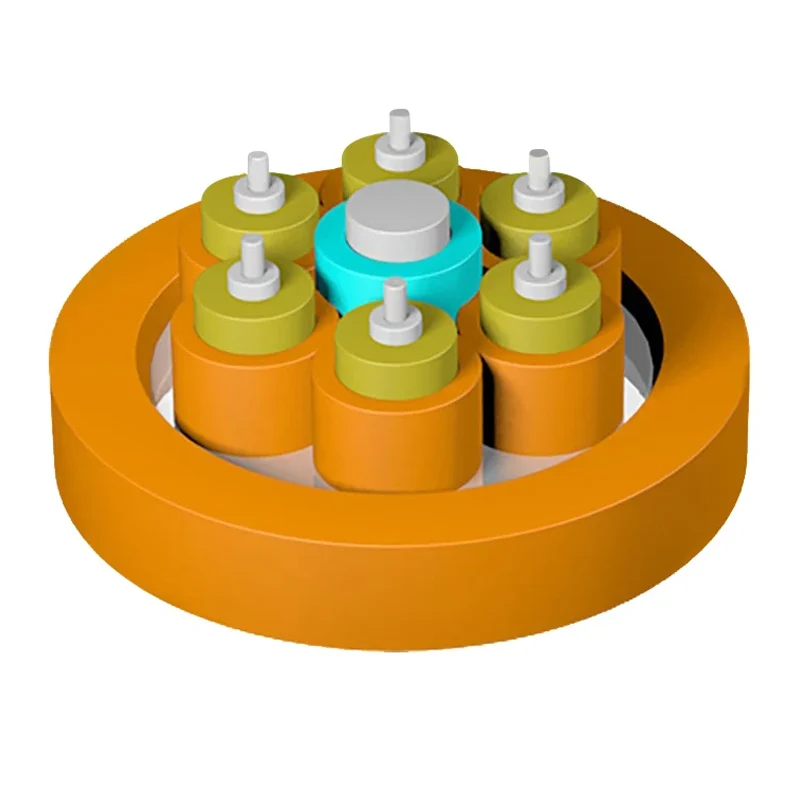
Key selection factors for high-density patching
The table below outlines critical considerations when choosing a Multi-Purpose Break-out Fiber Optic Cable for dense environments.
| Factor | Description | Why It Matters |
|---|---|---|
| Cable diameter | Outer jacket thickness and individual subunit size | Smaller diameters allow more routes through cable managers and trays |
| Fire safety rating | OFNR, OFNP, or LSZH ratings per local codes | Prevents fire propagation and meets building compliance |
| Subunit construction | Tight-buffered individual fibers with aramid yarn | Enables direct termination without fan-out kits, saving rack space |
| Bend radius | Minimum allowable bend under load and no load | High-density patching often involves tight corners and short pathways |
| Tensile strength | Pulling force rating during and after installation | Protects fibers when re-routing or adding cables in congested areas |
| Connector compatibility | Pre-terminated or field-installable options (LC, SC, MPO) | Reduces termination time and ensures consistent performance |
Practical checklist for engineers
When deploying Multi-Purpose Break-out Fiber Optic Cable in high-density zones such as main distribution frames (MDFs) or top-of-rack switching rows, follow these steps:
-
Measure actual pathway constraints including vertical risers and horizontal ladder racks.
-
Verify that the cable’s individual break-out legs (usually 900μm or 2mm) fit within your fan-out kits or splice trays.
-
Confirm that the jacket material resists abrasion from repeated contact with other cables and metal edges.
-
Test a sample length for attenuation after bending around expected corner radii (e.g., 15mm for short-term bends).
Xuben designs its Multi-Purpose Break-out Fiber Optic Cable with flexible aramid strength members and low-smoke zero-halogen options, directly addressing these high-density pain points.
FAQ – Common questions about Multi-Purpose Break-out Fiber Optic Cable
What is the main difference between multi-purpose break-out fiber optic cable and distribution cable for high-density patching?
A Multi-Purpose Break-out Fiber Optic Cable has individually reinforced subunits (each containing a tight-buffered fiber and strength yarns), allowing each fiber to be terminated separately without a breakout kit. Distribution cables bundle multiple tight-buffered fibers under a single jacket with a common strength member, requiring a fan-out kit for connectorization. In high-density patching, break-out cables save rack units by eliminating extra hardware and reduce the risk of fiber damage during moves, adds, and changes.
Can a Multi-Purpose Break-out Fiber Optic Cable be used in both indoor and outdoor high-density enclosures?
Yes, but only if the cable jacket and water-blocking elements are rated for the environment. Standard indoor-rated break-out cables are suitable for data center patching areas. For outdoor-to-indoor high-density transitions, Xuben offers a hybrid Multi-Purpose Break-out Fiber Optic Cable with dry water-blocking tape and UV-resistant outer sheaths. Always check the temperature range and moisture ingress protection. Using an indoor-only cable outdoors will void warranties and risk signal loss.
How does the bend radius of a Multi-Purpose Break-out Fiber Optic Cable affect patch panel density?
A smaller allowable bend radius enables tighter cable routing behind patch panels. Typical singlemode break-out cables have a dynamic bend radius of 20× the cable diameter (e.g., 40mm for a 2mm subunit). Xuben manufactures Multi-Purpose Break-out Fiber Optic Cable with bend-insensitive fibers (G.657.A2) that reduce the minimum bend radius to 7.5mm for short-term bends. This allows designers to pack more ports per rack unit while maintaining low insertion loss and back reflection.
Maximizing density without compromising performance
High-density patching areas demand meticulous cable management. Loose bundles of Multi-Purpose Break-out Fiber Optic Cable can be organized with vertical finger ducts and horizontal D-rings. Color-coded subunits from Xuben further simplify circuit identification – reducing human error during troubleshooting.
Contact us
For tailored guidance on selecting the right Multi-Purpose Break-out Fiber Optic Cable for your high-density patching environment, contact Xuben today. Our fiber optic specialists provide free cable routing simulations and sample testing to ensure your infrastructure performs at peak density and reliability.