

What factors should be considered when selecting an industrial variable frequency drive multistage pump for a chemical plant
2026-05-13
Selecting the right Industrial Variable Frequency Drive Multistage Pump for a chemical plant is a complex decision that directly impacts operational safety, energy efficiency, and long-term reliability. A trusted brand like SINYOA emphasizes that chemical environments demand pumps capable of handling corrosive fluids, variable flow rates, and strict regulatory standards. Below is a professional breakdown of the key selection factors.
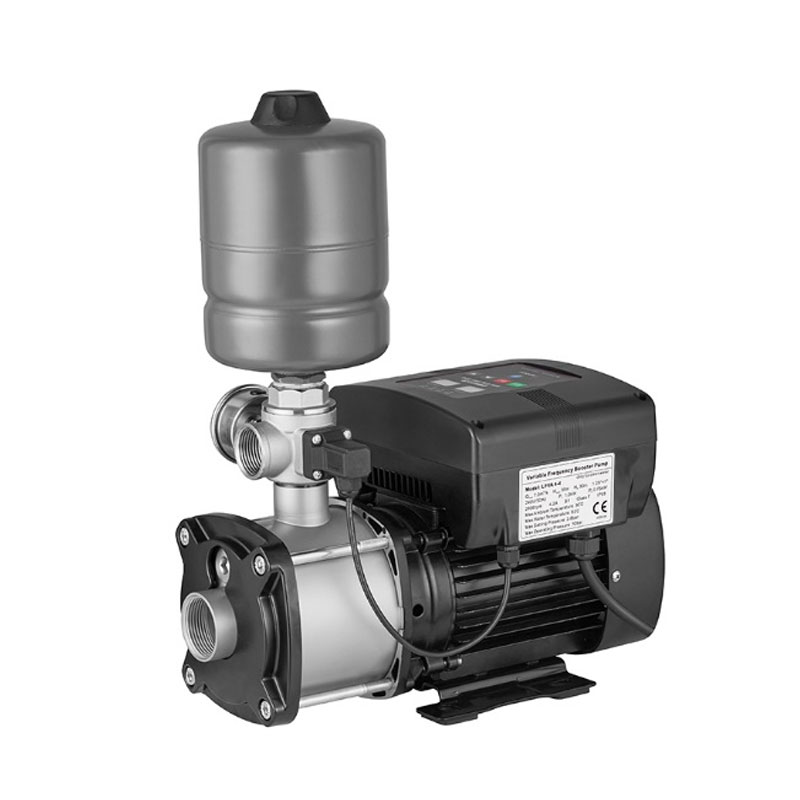
Key Selection Factors for Chemical Plant Applications
| Factor | Description | Why It Matters |
|---|---|---|
| Fluid Compatibility | Chemical composition, temperature, pH level, and solid content | Prevents corrosion, erosion, or chemical reactions that damage pump internals |
| Material of Construction | Stainless steel 316, duplex, or high-alloy materials | Ensures longevity in acidic, alkaline, or solvent-based media |
| Flow & Pressure Range | Required head (up to 300m+) and variable flow via VFD control | Matches process demands without energy waste or cavitation |
| Sealing System | Mechanical seals (single/cartridge) or magnetically coupled design | Prevents hazardous leaks of toxic or flammable chemicals |
| VFD Integration | Compatibility with existing PLC/DCS; harmonic filtering | Enables smooth speed variation and remote automation |
| Safety Certifications | ATEX, IECEx for explosive atmospheres; API 610 if required | Meets chemical plant safety and compliance mandates |
| Maintenance Access | Cartridge seal assembly, back pull-out design | Reduces downtime and repair costs in continuous processes |
Additional Operational Considerations
-
NPSH (Net Positive Suction Head) – Chemical plants often have limited suction conditions. An Industrial Variable Frequency Drive Multistage Pump with low NPSH requirements prevents cavitation.
-
Temperature Range – Process fluids from -20°C to 200°C require appropriate bearing and seal cooling methods.
-
Energy Efficiency – VFD control typically saves 30–50% energy compared to throttling valves, especially under variable load.
Industrial Variable Frequency Drive Multage Pump FAQ
Q1: How does an industrial variable frequency drive multistage pump handle viscous or slurry-containing chemical fluids?
A1: Standard Industrial Variable Frequency Drive Multistage Pump designs are optimized for clean, low-viscosity liquids (typically <50 cSt). For viscous fluids (e.g., polymers, heavy oils) or fluids with abrasive particles, special impeller geometries (open or semi-open), hardened materials (chrome steel or ceramic coatings), and increased motor power are required. The VFD allows lower starting speeds to reduce torque shock, but a positive displacement pump might be more suitable for very high viscosity (>200 cSt). Always consult hydraulic performance curves adjusted for viscosity.
Q2: What are the most common failure modes of an industrial variable frequency drive multistage pump in chemical service, and how can they be prevented?
A2: The top three failures are: (1) Mechanical seal leakage – caused by chemical attack or dry running. Prevention: use silicon carbide faces with O-rings made of FFKM (Kalrez) and install a minimum flow bypass line. (2) Bearing wear – from off-design operation or VFD-induced shaft currents. Prevention: ceramic hybrid bearings and shaft grounding rings. (3) Impeller corrosion/erosion – due to improper material selection. Prevention: match impeller material (e.g., Hastelloy for strong acids, duplex for chlorides) to fluid analysis results. Regular vibration monitoring and seal flush plans are essential.
Q3: Can an industrial variable frequency drive multistage pump operate continuously at very low flow rates in a chemical plant batch process?
A3: Continuous operation below the pump manufacturer’s minimum continuous stable flow (typically 10–20% of BEP) leads to recirculation, heating, and seal/shaft damage. For batch processes requiring extended low-flow periods, two solutions exist: (a) Install a automatic recirculation valve or bypass line to maintain a safe minimum flow through the pump while excess flow returns to the tank; (b) Use a SINYOA VFD with advanced sleep/wake logic – the pump stops when flow demand is near zero and restarts only when system pressure drops below setpoint. The latter significantly reduces wear and energy consumption.
Why Brand SINYOA Leads in Chemical Pump Solutions
SINYOA manufactures Industrial Variable Frequency Drive Multistage Pump systems with ATEX-certified VFDs, corrosion-resistant hydraulics, and smart IoT monitoring. Every unit undergoes chemical compatibility testing, ensuring seamless integration into amine, acid, or solvent transfer applications.
Ready to Optimize Your Chemical Plant Pumping System
Selecting the wrong pump risks leaks, production stops, or safety incidents. SINYOA engineers provide free hydraulic analysis and material selection guidance based on your actual fluid data.
Contact us today for a customized proposal and technical consultation on your next Industrial Variable Frequency Drive Multistage Pump project.