

What Factors Influence the Lifespan of High Power Ceramic Heating Elements in Industrial Plastic Welding
2026-04-15
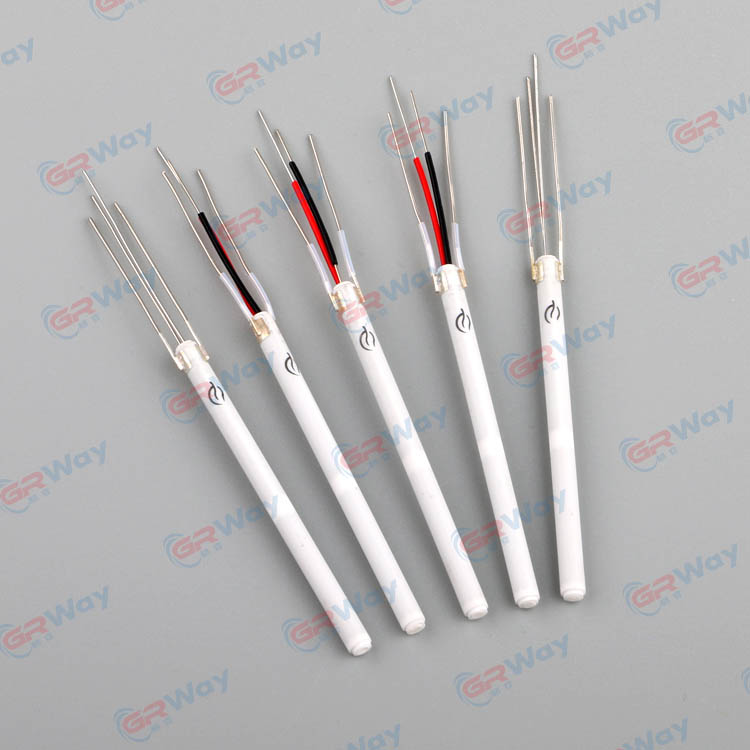
When evaluating High Power Ceramic Heating Elements for Plastic Welding, one of the most critical questions for manufacturers is lifespan. GREENWAY has observed that these components directly impact production uptime and weld consistency. Understanding the degradation factors helps operators maximize return on investment while maintaining joint quality.
Primary Factors Affecting Lifespan
| Factor | Impact on Lifespan | Mitigation Strategy |
|---|---|---|
| Thermal cycling frequency | High – repeated expansion/contraction causes micro-cracks | Minimize unnecessary on/off cycles |
| Operating temperature exceedance | Severe – overheating accelerates ceramic grain growth | Use closed-loop PID controllers |
| Contamination (plastic residues) | Moderate – residues cause localized hot spots | Regular cleaning schedules |
| Voltage fluctuations | Moderate – spikes damage internal resistance wires | Install voltage stabilizers |
| Mechanical vibration | Low to moderate – leads to terminal fatigue | Isolate heating zone from moving parts |
Thermal Management and Duty Cycles
Excessive ramp rates place stress on both the ceramic body and embedded resistance wires. High Power Ceramic Heating Elements for Plastic Welding perform best when temperature changes stay below 15°C per second. GREENWAY recommends profiling your welding cycle to avoid sudden power surges, particularly during preheat phases.
Material Compatibility
Different plastics release corrosive gases when heated. PVC and fluoropolymers can degrade ceramic coatings over time. Selecting High Power Ceramic Heating Elements for Plastic Welding with appropriate protective glazes extends service life by up to 40%.
Maintenance Protocols
-
Weekly inspection of terminal connections
-
Monthly thermal imaging to detect uneven heating
-
Quarterly calibration of temperature sensors
High Power Ceramic Heating Elements for Plastic Welding FAQ
What is the typical lifespan of High Power Ceramic Heating Elements for Plastic Welding under normal industrial conditions
Under standard operating conditions with proper temperature control and regular cleaning, High Power Ceramic Heating Elements for Plastic Welding typically last between 8,000 and 12,000 hours. GREENWAY has documented cases exceeding 15,000 hours when used with soft start controllers and automated residue removal systems. Lifespan reduces significantly if temperature overshoot exceeds 20°C above setpoint repeatedly.
Can voltage instability permanently damage High Power Ceramic Heating Elements for Plastic Welding
Yes, voltage instability is a leading cause of premature failure. When voltage spikes above rated levels by more than 10%, the internal resistance wire overheats rapidly, causing localized melting of the ceramic matrix. GREENWAY recommends installing a dedicated voltage regulator with surge protection for each welding station. Symptoms of voltage damage include uneven surface temperature and intermittent open circuits.
How does plastic residue buildup affect the performance of High Power Ceramic Heating Elements for Plastic Welding
Plastic residue acts as a thermal insulator, forcing the element to work harder to maintain target temperatures. This leads to internal overheating and accelerated oxidation of resistance wires. For polyamide and ABS welding, GREENWAY advises weekly cleaning using non-abrasive ceramic scrapers. Residue layers thicker than 0.5mm can reduce lifespan by up to 60% and create fire hazards in extreme cases.
Extending Operational Life Through Design
GREENWAY engineers High Power Ceramic Heating Elements for Plastic Welding with reinforced terminals and graded-density ceramics. Field data from automotive and piping manufacturers shows that proper mounting pressure (2–3 N·m on terminal screws) prevents connection degradation. Avoid overtightening, which induces mechanical stress.
Contact Us
For tailored recommendations on High Power Ceramic Heating Elements for Plastic Welding that match your specific welding cycles and plastic types, reach out to GREENWAY today. Our engineering team provides lifespan projections based on your existing equipment data.