

What Factors Drive the Cost of Custom High-Frequency Transformer Processing
2026-03-04
When engineering power solutions for modern applications, the difference between a standard component and a precision piece of equipment often lies in customization. For industries ranging from renewable energy to medical devices, investing in EQ High-Frequency Transformer Custom Processing is essential for efficiency. However, one of the first questions engineers and procurement managers ask is: what actually dictates the price?
At Haoer, we believe that transparency in pricing builds better partnerships. Understanding the variables below will help you budget effectively while ensuring you get a component that meets your exact specifications.
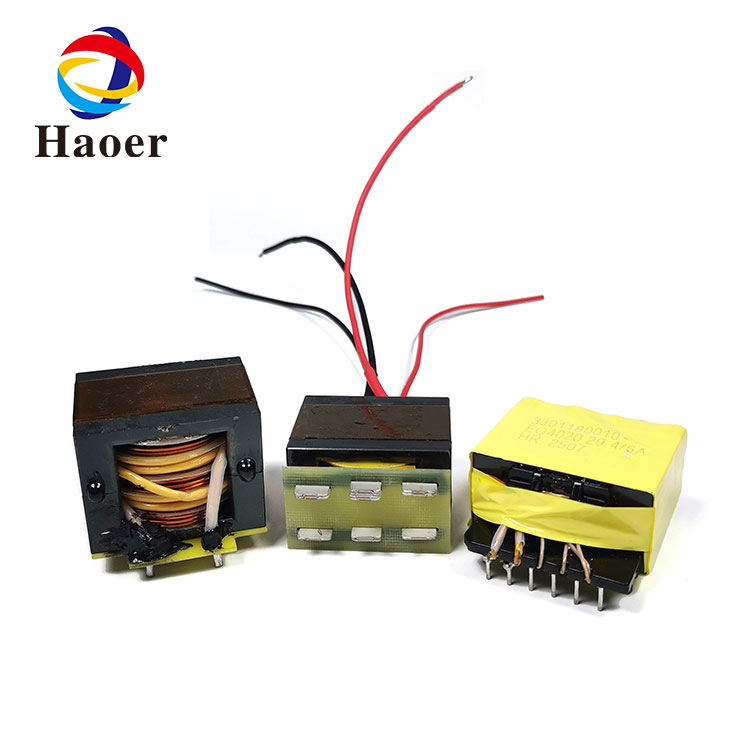
The Primary Cost Drivers in Customization
The cost of a custom high-frequency transformer is not arbitrary; it is a direct reflection of the materials, labor, and complexity involved. Below is a breakdown of the key elements that influence the final quote.
1. Core Material Selection
The magnetic core is the heart of the transformer. High-frequency applications require materials that can handle switching frequencies without excessive losses.
-
Ferrite Cores: Commonly used for high efficiency but vary in grade.
-
Amorphous & Nanocrystalline Cores: Superior performance but significantly higher material costs.
2. Complexity of the Winding Configuration
High-frequency transformers often require specific winding techniques (e.g., sandwich winding, Litz wire) to manage skin effect and proximity effect. Intricate winding patterns increase labor time and require more skilled technicians, thereby raising the cost of EQ High-Frequency Transformer Custom Processing.
3. Thermal Management Requirements
A custom design must manage heat. If your application demands potting with thermally conductive materials, additional heatsinking, or high-temperature insulation, these materials add to the overall expense.
4. Regulatory and Safety Compliance
Meeting specific industry standards (such as UL, IEC, or medical-grade isolation) requires specific insulation materials and creepage distances, which impacts the design complexity and testing phases.
Cost Breakdown by Design Feature
To illustrate how different specifications affect the budget, here is a general reference table based on typical Haoer project data:
| Design Feature | Standard Specification | Premium/Custom Specification | Impact on Cost |
|---|---|---|---|
| Core Type | Standard Ferrite | Nanocrystalline / Amorphous | High |
| Wire Type | Solid Copper Wire | Litz Wire / Foil Windings | Medium to High |
| Insulation Class | Class B (130°C) | Class H (180°C) | Medium |
| Assembly Process | Manual Bobbin Winding | Automated Toroidal / Sandwich Winding | Variable |
| Testing Regimen | Standard Hi-Pot | 100% Partial Discharge (PD) Testing | Medium |
Why Customization is a Strategic Investment
While standard off-the-shelf transformers may seem cheaper upfront, they often lead to system inefficiencies or redesign costs later. Investing in EQ High-Frequency Transformer Custom Processing ensures that the component integrates perfectly with your PCB layout and electrical requirements. At Haoer, we focus on optimizing the trade-off between performance and cost to deliver the best value.
Frequently Asked Questions
To provide further clarity on this topic, here are answers to common queries regarding custom processing.
Q: How does the quantity of units ordered affect the per-unit cost of custom high-frequency transformers?
A: Volume is a significant lever in pricing. For low-volume prototypes or small batches, the cost is higher because the NRE (Non-Recurring Engineering) fees—such as design time, tooling, and initial setup—are spread over fewer units. As volume increases into medium and high-volume production runs, these fixed costs are amortized, and we can optimize material purchasing, resulting in a substantially lower cost per unit. At Haoer, we work with you to scale from prototype to production seamlessly.
Q: Can the choice of termination (e.g., through-hole pins vs. flyback leads) impact the overall processing cost?
A: Yes, absolutely. The termination method directly influences the assembly complexity. Through-hole pins might require precise bobbins and manual insertion, while flyback leads might involve specific stripping and tinning processes. If the design requires custom brackets or specific pin lengths for automated soldering, this adds a layer of precision to the EQ High-Frequency Transformer Custom Processing that must be factored into the manufacturing time and quality control checks.
Q: Why does a higher switching frequency sometimes lead to higher transformer costs?
A: Higher frequencies exacerbate parasitic elements like leakage inductance and winding resistance. To counteract this, designers must use advanced core materials that perform well at high frequencies without overheating. Additionally, specialized winding techniques (like interleaving) are required to manage losses. These advanced materials and the labor-intensive precision winding techniques are premium features that ensure the transformer operates reliably, which inherently raises the processing cost.
Optimize Your Power Solution Today
Navigating the factors of cost and performance can be complex, but you don't have to do it alone. Whether you are developing a prototype or need a high-volume supply, Haoer has the technical expertise to guide you through every step of EQ High-Frequency Transformer Custom Processing.
Contact us today for a consultation and a detailed quote tailored to your specific application requirements.