

What Factors Affect the Lifespan of a Photovoltaic Solar Capacitor
2026-02-25
When designing or maintaining a solar energy system, the durability of every component is critical. For engineers and procurement specialists, understanding the longevity of a Photovoltaic Solar Capacitor is essential to ensuring return on investment. At Piner, we specialize in high-reliability components, and we know that the lifespan of a Photovoltaic Solar Capacitor is not fixed—it is determined by a combination of environmental stresses and operational conditions. Below, we break down the specific factors that dictate how long these components will last in the field.
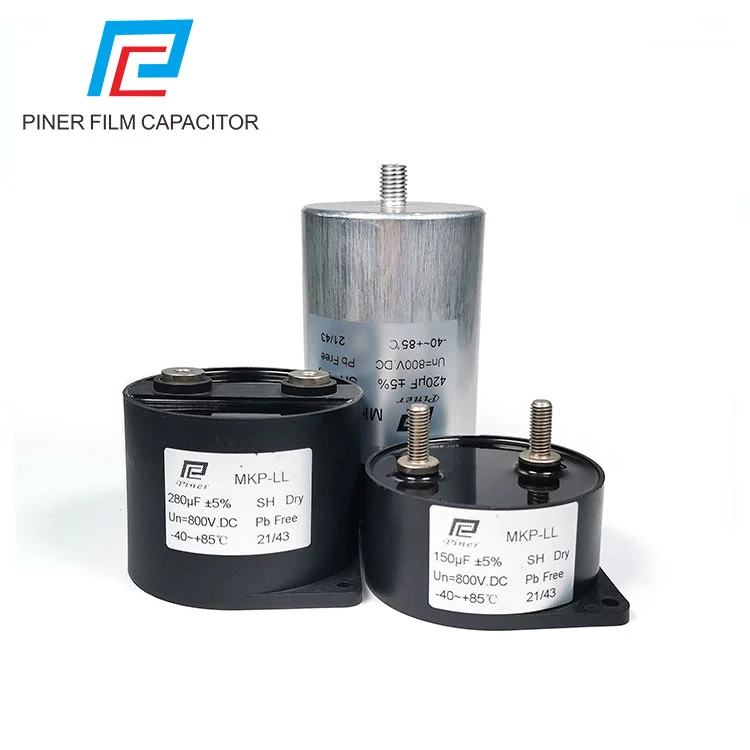
Key Factors Influencing Capacitor Longevity
The degradation of a Photovoltaic Solar Capacitor is typically accelerated by a few key stressors. Unlike electromechanical batteries, capacitors wear out due to physical and chemical changes in their dielectric materials. Here are the primary factors:
-
Ambient Temperature and Heat Dissipation: Heat is the number one enemy. For every 10°C increase above the rated temperature, the lifespan of a Photovoltaic Solar Capacitor can be cut in half. Proper ventilation and thermal management in the inverter housing are crucial.
-
Ripple Current and Voltage Stress: Continuous exposure to high ripple currents causes internal heating. Additionally, operating consistently near the maximum rated voltage (derating) increases dielectric stress, leading to premature failure.
-
Humidity and Environmental Sealing: Moisture ingress can cause corrosion of internal connections and changes in the dielectric properties. The IP rating and sealing quality of the housing determine resistance to humidity.
-
Mechanical Vibration and Mounting: In utility-scale solar farms, vibrations from cooling fans or nearby machinery can weaken solder joints and internal connections over time.
Material Comparison: Lifespan by Dielectric Type
The internal material used in a Photovoltaic Solar Capacitor defines its theoretical maximum lifespan. Below is a comparison of common types used in Piners product lines.
| Capacitor Type | Typical Lifespan (Hours) | Failure Mode | Best Application in PV |
|---|---|---|---|
| Aluminum Electrolytic | 2,000 – 10,000 hours | Electrolyte evaporation | DC-Link in string inverters |
| Film Capacitors (PP) | 50,000 – 100,000+ hours | Gradual capacitance loss | Snubber circuits, high-frequency |
| Multilayer Ceramic (MLCC) | 30,000 – 50,000 hours | Cracking from mechanical stress | Bypass and decoupling |
As the table illustrates, Film Capacitors generally offer the longest service life, making them the preferred choice for high-reliability Photovoltaic Solar Capacitor applications where Piner focuses its engineering efforts.
Frequently Asked Questions
To provide further clarity on operational durability, here are common inquiries regarding the Photovoltaic Solar Capacitor lifecycle.
How can I calculate the expected lifespan of a Photovoltaic Solar Capacitor in my specific location?
You can apply the Arrhenius equation and ripple current calculations based on your local climate. For example, if a capacitor is rated for 10,000 hours at 85°C, but your inverter operates at an average of 65°C, the lifespan theoretically doubles. However, Piner recommends using thermal imaging during commissioning to identify hot spots that may shorten this projection. We also provide detailed lifetime simulation software for our clients to input actual load profiles.
What are the physical signs that a Photovoltaic Solar Capacitor is nearing the end of its life?
There are several visual and operational indicators. Visually, you might see a bulging of the safety vent on the top of electrolytic capacitors or leakage of electrolyte. Operationally, you will likely notice increased ripple in the DC voltage bus, higher operating temperatures, or a significant drop in capacitance (measured with an LCR meter). In advanced stages, the capacitor may cause the inverter to trip on overvoltage faults.
Does a higher temperature rating guarantee a longer lifespan for a Photovoltaic Solar Capacitor?
Not necessarily. A capacitor rated for 105°C will survive higher peak temperatures than one rated for 85°C, but if your system runs at a low temperature (e.g., 40°C), the 85°C part might actually have a longer lifespan if it has a lower Equivalent Series Resistance (ESR). Lifespan is a function of the operating temperature relative to the rated temperature and the internal heat generated by ESR. Piner ensures our capacitors have ultra-low ESR to minimize heat generation, thereby extending service life regardless of the ambient rating.
Conclusion and Contact Us
Maximizing the lifespan of your Photovoltaic Solar Capacitor requires a holistic view of thermal management, electrical load, and material selection. Ignoring these factors can lead to costly system downtimes and reduced energy harvest.
At Piner, we provide robust, long-life capacitor solutions engineered to withstand the toughest environmental conditions. Do not leave your energy storage to chance.
Contact us today for a professional consultation and a free lifespan assessment for your next solar project.