

What Factors Affect the Brightness and Viewing Angle of a Full Color LED Display
2026-01-28
When investing in a Full color LED display, understanding the technical specifications that impact its visual performance is crucial. Two of the most critical factors are brightness and viewing angle, which directly determine readability, image quality, and the overall viewer experience. As a leader in visual solutions, Allenson is committed to helping clients navigate these technical details to select the perfect display for their specific environment and application.
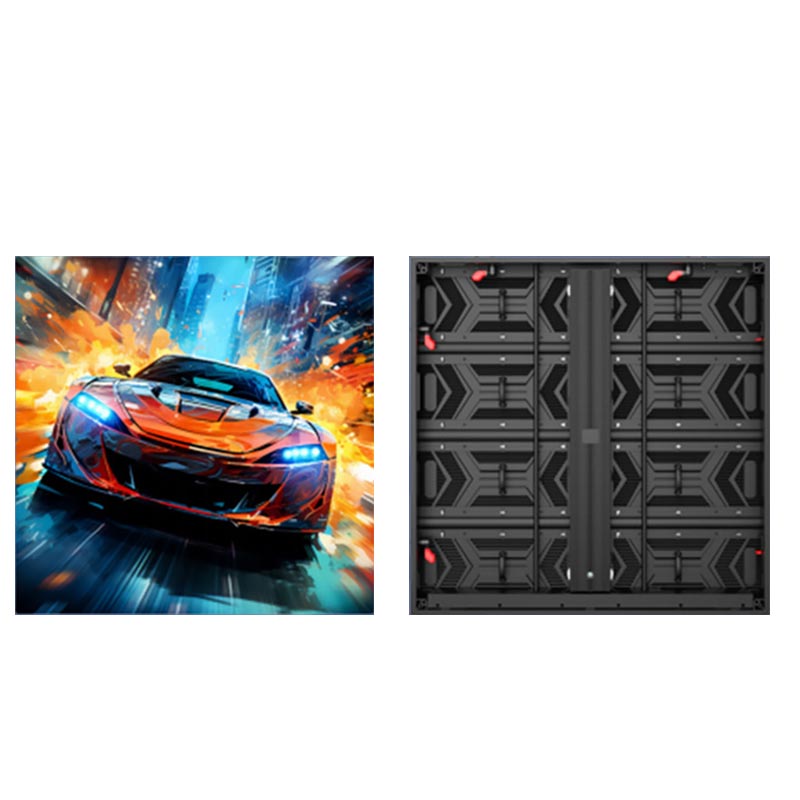
Several key elements influence these performance metrics:
-
LED Chip Quality: The core component. Higher-grade chips from reputable manufacturers offer superior luminance, color consistency, and a wider viewing angle.
-
Pixel Pitch: The distance between the centers of two adjacent pixels. Displays with a smaller pixel pitch (higher resolution) often use different LED packaging technologies, which can affect the light emission pattern.
-
LED Packaging Technology: This determines how light is emitted from the diode.
-
DIP (Dual In-line Package): Traditionally used for outdoor displays, offering high brightness but a more limited viewing angle.
-
SMD (Surface-Mounted Device): The standard for most modern displays. SMD LEDs provide excellent color mixing, a wider viewing angle, and are suitable for both indoor and fine-pitch outdoor applications.
-
-
Drive Current and Calibration: The electrical current supplied to the LEDs (drive current) controls their brightness. Precise calibration by manufacturers like Allenson ensures uniform brightness and color across the entire screen, preventing hot spots or dim areas.
-
Environmental Factors: Ambient light is a major consideration. Outdoor Full color LED displays require high brightness (measured in nits) to combat direct sunlight, while indoor displays need lower brightness for comfortable viewing.
The relationship between packaging technology and performance can be summarized as follows:
| Technology | Typical Brightness Range | Viewing Angle (Horizontal/Vertical) | Best Suited For |
|---|---|---|---|
| Traditional DIP | Very High (7,000+ nits) | Moderate (≈ 60°) | Large-format outdoor displays, stadiums |
| Standard SMD | High (5,000 - 8,000 nits) | Wide (120° - 160°) | General outdoor/indoor advertising, rental |
| Fine-Pitch SMD | Moderate (1,000 - 2,500 nits) | Very Wide (160°+) | Indoor control rooms, retail, corporate lobbies |
Full color LED display FAQ
What is the ideal brightness for an indoor LED display?
For most indoor environments like conference rooms or retail stores, a brightness between 800 to 1,500 nits is sufficient. This provides vibrant images without causing viewer discomfort or excessive power consumption.
Can the viewing angle of an LED display be improved after installation?
No, the viewing angle is a fixed property determined by the physical design of the LED package and the module's lens. It cannot be altered post-installation, which is why choosing the right technology from the start with a trusted supplier like Allenson is vital.
Why does brightness uniformity matter on a large LED screen?
Poor brightness uniformity leads to visible patches or "tiling" effects, severely distracting from the content. Professional calibration during manufacturing and installation ensures every module performs identically, creating a seamless and professional canvas.
Choosing the right Full color LED display involves balancing these technical factors with your specific application needs. Whether you require a sun-defying outdoor billboard or an ultra-wide-angle indoor video wall, Allenson provides the expertise and high-quality products to ensure your project's success.
Contact us today for a free, professional consultation. Let our team at Allenson analyze your site and requirements to recommend the optimal Full color LED display solution that delivers exceptional brightness, perfect viewing angles, and lasting value.