

What Design Tips Improve the Durability of a Sheet Metal Cabinet Fabricated Component
2026-10-29
Durability begins long before fabrication starts. For any Sheet Metal Cabinet Fabricated Component, the design decisions made at the drawing stage determine how well the part will resist vibration, corrosion, fatigue, and accidental impact over its service life. Zhongyilong has supported enclosure and cabinet projects across industrial, energy, and telecommunications applications, and the same design principles consistently separate long-lasting components from early failures. The tips below focus on practical, manufacturable improvements that engineers and buyers can apply immediately.
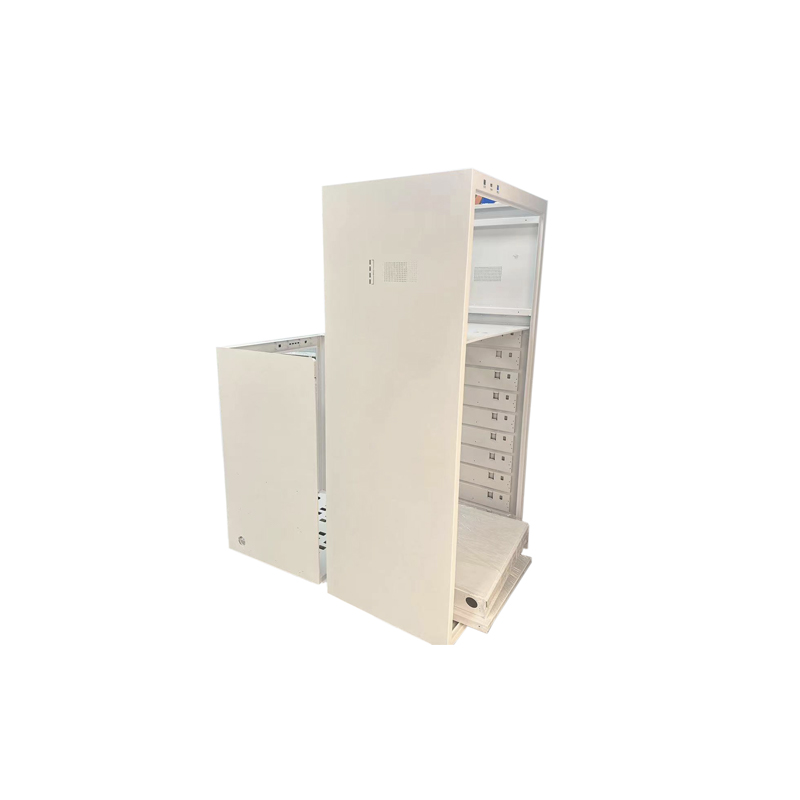
1. Specify Material Grade and Thickness Together
Thickness alone does not guarantee strength. A Sheet Metal Cabinet Fabricated Component made from cold-rolled steel, galvanized steel, stainless steel, or aluminum behaves very differently under load. Match the grade to the environment first, then confirm thickness against deflection and vibration requirements.
| Material | Typical Use | Durability Consideration |
|---|---|---|
| Cold-rolled steel | Indoor cabinets | Requires coating for corrosion resistance |
| Galvanized steel | General industrial | Zinc layer protects cut edges |
| Stainless steel 304/316 | Washdown, coastal, chemical | 316 for chloride-rich environments |
| Aluminum | Weight-sensitive enclosures | Use alloy selection and stiffeners carefully |
2. Design Stiffening Features Into the Part
Flat panels flex. Integrated stiffening ribs, embossed beads, flanges, and gussets raise rigidity without adding much weight. For a Sheet Metal Cabinet Fabricated Component that must survive transport and field vibration, these features are far more effective than simply increasing gauge.
3. Control Bend Radii and Hole Placement
Bend radii that are too tight cause cracking and thinning at the outside of the bend. Keep the inside radius at least equal to material thickness, and position holes and slots away from bend lines to avoid distortion. Consistent bend deduction rules also keep assemblies aligned, which reduces stress on fasteners and seams.
4. Choose the Right Finish System
Corrosion is one of the most common causes of cabinet component failure. Powder coating offers strong mechanical protection, while zinc plating or hot-dip galvanizing suits edges and hidden surfaces. For outdoor or humid service, specify pretreatment, coating thickness, and salt-spray performance targets in the drawing.
5. Design for Weld and Fastener Durability
Spot welds, seam welds, and rivets create stress concentrations. Place welds away from high-load corners, specify weld length and pitch, and use captive fasteners or clinch nuts where repeated service access is expected. A well-detailed Sheet Metal Cabinet Fabricated Component avoids loose hardware and fatigue cracks at joints.
6. Add Drainage, Ventilation, and Edge Protection
Trapped water and heat shorten service life. Include drain holes at low points, louvered ventilation where thermal load exists, and deburred or hemmed edges to prevent coating damage and injury. Hemmed edges also stiffen thin panels significantly.
7. Validate With Prototyping and Inspection
Design intent must survive fabrication. Confirm flat-pattern accuracy, bend consistency, and coating adhesion through first-article inspection. Dimensional reports and salt-spray or vibration testing provide objective evidence that the Sheet Metal Cabinet Fabricated Component will meet its durability targets.
FAQ
Q: What material thickness is best for a durable Sheet Metal Cabinet Fabricated Component?
A: There is no single best thickness; it depends on panel size, load, and mounting. As a practical guide, 1.0–1.5 mm cold-rolled steel suits small indoor cabinets, 1.5–2.0 mm suits medium industrial enclosures, and 2.0–3.0 mm or stainless steel is common for heavy-duty or outdoor units. Always verify deflection and vibration performance rather than selecting thickness by habit.
Q: How does powder coating improve the durability of a Sheet Metal Cabinet Fabricated Component?
A: Powder coating forms a tough, continuous film that resists abrasion, impact, and moisture ingress. Proper pretreatment, correct film thickness, and full cure are essential; otherwise adhesion fails at edges and cutouts. For outdoor service, specify salt-spray hours and UV-resistant powder to extend coating life.
Q: Can design changes reduce corrosion in a Sheet Metal Cabinet Fabricated Component?
A: Yes. Avoid water-trapping pockets, add drain holes, specify galvanized or stainless material for exposed edges, and ensure coatings cover all surfaces including hidden areas. Avoiding mixed-metal contact and using compatible fasteners further reduce galvanic corrosion risk.
Contact Us
To discuss material selection, stiffening design, finish specification, or first-article inspection for your next enclosure project, contact Zhongyilong today. Share your drawings and service environment, and the team will help you build a Sheet Metal Cabinet Fabricated Component that lasts.