

What Causes Linear Drive Motor Failures and How Can You Prevent Them
2026-10-19
Linear drive motor systems deliver high thrust, high speed, and exceptional positioning accuracy, which is why they are increasingly specified in semiconductor, CNC, and automated assembly equipment. Yet even well-designed systems can fail when installation, environment, or maintenance practices fall short. At SEA MOTION, we have supported hundreds of motion projects, and the failure patterns below account for the majority of field issues we encounter.
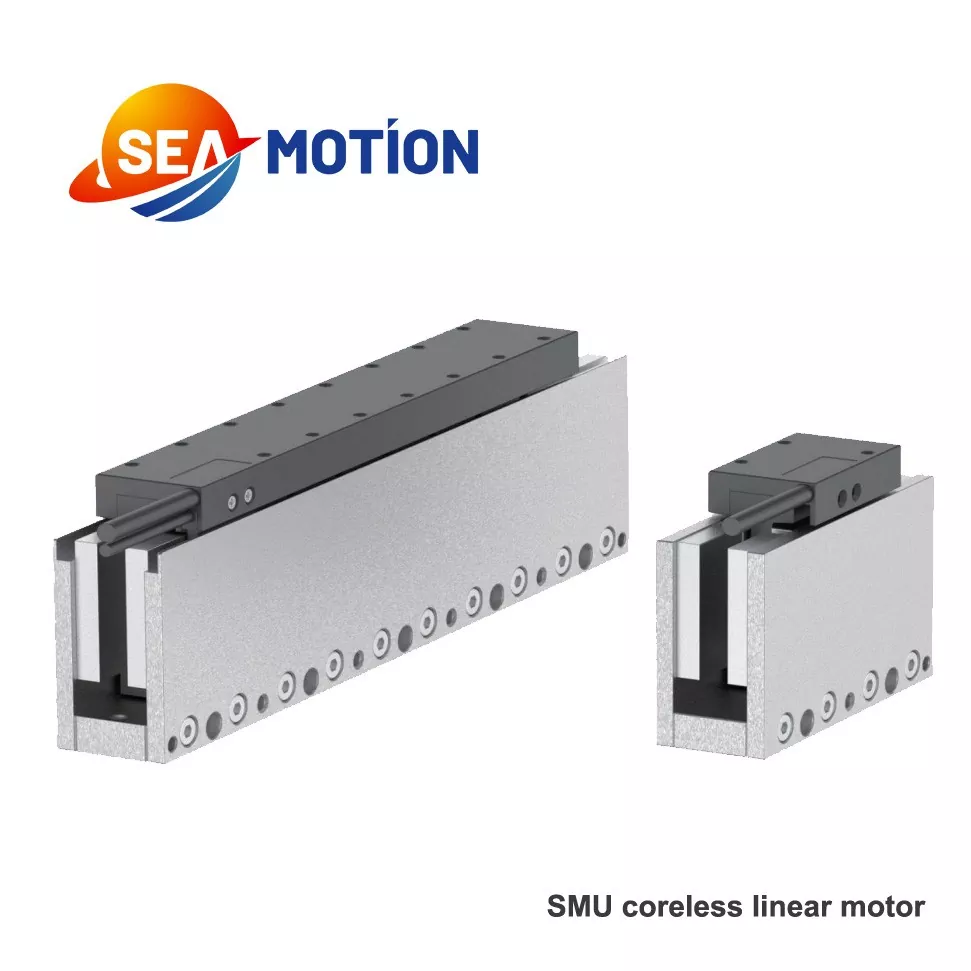
Common Failure Causes and Prevention Measures
| Failure Cause | Typical Symptoms | Prevention Measure |
|---|---|---|
| Overheating | Thrust derating, winding discoloration, thermal trips | Size the linear drive motor with adequate thermal margin; verify continuous force vs. duty cycle; ensure proper cooling |
| Contamination | Iron debris on magnet track, erratic force | Use sealed magnet tracks, bellows, or positive air pressure; schedule regular cleaning |
| Magnet track misalignment | Cogging, vibration, uneven thrust | Follow SEA MOTION installation tolerances for gap and parallelism; use laser alignment |
| Cable and connector wear | Intermittent feedback, position faults | Specify high-flex cables rated for the stroke length; inspect at scheduled intervals |
| Improper tuning | Oscillation, overshoot, audible noise | Tune the servo loop with the actual load; validate with step and frequency response tests |
| Bearing or guide wear | Lateral play, reduced accuracy | Lubricate per schedule; monitor vibration trends; replace guides before they affect the motor |
Key Prevention Practices
-
Thermal management: Confirm continuous and peak force requirements against the duty cycle rather than relying on peak ratings alone.
-
Environmental protection: Match the IP rating and sealing strategy to the actual operating environment, especially in machining and cleanroom applications.
-
Alignment discipline: Gap uniformity and parallelism directly affect thrust ripple and bearing life. Document alignment during commissioning.
-
Predictive maintenance: Track temperature, vibration, and current signatures to detect degradation before a stoppage occurs.
-
Correct specification: Many failures trace back to undersized linear drive motor selection. SEA MOTION engineers help verify force, speed, and thermal margins at the design stage.
Frequently Asked Questions
Q: How do I know if my linear drive motor is overheating?
A: Monitor winding temperature through embedded sensors or thermal switches, and watch for thrust derating, frequent thermal alarms, or discolored windings. If surface temperature rises faster than expected under normal duty, reduce continuous load or improve cooling before damage occurs.
Q: Can contamination really cause a linear drive motor to fail?
A: Yes. Ferrous debris attracted to the magnet track can cause abrasion, increased friction, and thrust fluctuations, while coolant ingress can degrade insulation. Sealed tracks, bellows, and air purging significantly extend service life in harsh environments.
Q: How often should a linear drive motor be inspected?
A: Inspection intervals depend on duty cycle and environment, but a practical baseline is quarterly visual and cleanliness checks, semi-annual cable and connector inspection, and annual alignment and tuning verification. High-duty or contaminated environments may require monthly checks.
Q: What is the most common cause of premature linear drive motor failure?
A: Undersizing relative to actual thermal and force requirements remains the leading cause, followed by contamination and alignment errors. Early engineering review with SEA MOTION prevents most of these issues.
Preventing linear drive motor failures starts with correct specification, disciplined installation, and a maintenance plan grounded in real operating data. SEA MOTION provides application engineering, alignment support, and diagnostic guidance to keep your motion system running reliably. Contact us today to discuss your application and request a tailored reliability review.