

What Causes Common Faults in a 3 Phase 500kVA SCR Static AVR
2026-09-30
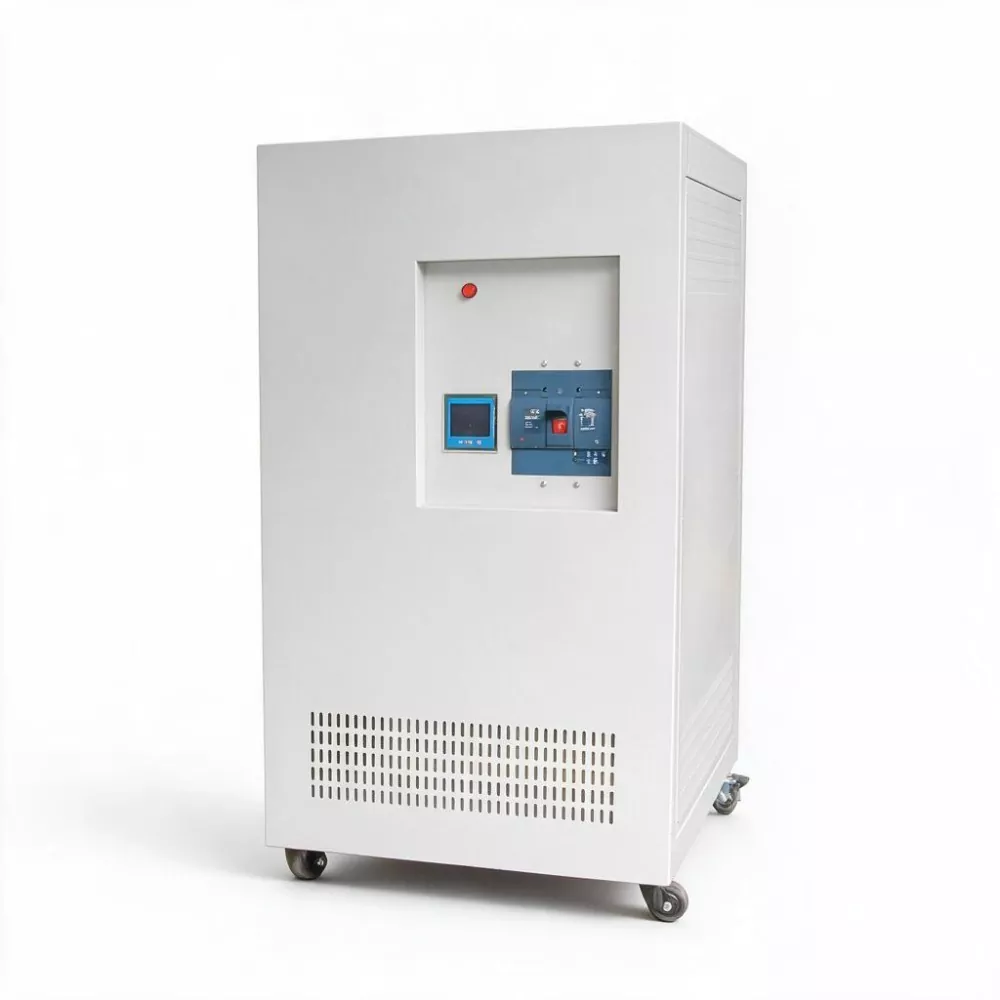
A 3 Phase 500kVA SCR Static AVR from KTAC is engineered to deliver fast, precise voltage correction for large industrial generators and power systems. Despite its robust design, faults can still occur due to environmental, electrical, or operational factors. Understanding these root causes helps engineers and facility managers reduce downtime, extend equipment life, and maintain stable power quality. KTAC has supported hundreds of installations worldwide, and the following analysis reflects field-proven insights.
Main Fault Categories and Causes
| Fault Category | Typical Causes | Symptoms |
|---|---|---|
| SCR Failure | Overvoltage spikes, poor cooling, aging thermal paste | No voltage regulation, output collapse |
| Control Board Malfunction | Moisture ingress, dust accumulation, component aging | Erratic voltage, alarm codes |
| Sensing Circuit Errors | Loose CT/PT connections, incorrect wiring | Voltage hunting, inaccurate feedback |
| Cooling System Issues | Fan failure, blocked vents, high ambient temperature | Overheating, thermal shutdown |
| Generator Interface Problems | Incorrect excitation settings, harmonic distortion | Unstable output, voltage sag |
Detailed Fault Causes
-
SCR Module Degradation
The silicon-controlled rectifiers (SCRs) in a 3 Phase 500kVA SCR Static AVR switch rapidly under high current. Over time, thermal cycling and voltage transients can weaken the junction. KTAC recommends periodic thermal imaging and torque checks on all power connections. -
Control Board and Firmware Issues
The control board manages firing angles and feedback loops. Dust, humidity, or voltage surges can corrupt signals. KTAC units include conformal-coated boards, but regular cleaning and surge protection remain essential. -
Sensing and Feedback Failures
Voltage and current transformers provide real-time data. Loose terminals or incorrect polarity cause the AVR to misread output, leading to overcorrection or shutdown. Always verify wiring against KTAC documentation. -
Thermal Management Breakdown
A 3 Phase 500kVA SCR Static AVR dissipates significant heat. Fan failure or clogged filters raise internal temperatures, triggering derating or thermal trips. Maintain clean airflow and replace fans every 3–5 years. -
External Power Quality Problems
Harmonic distortion, voltage sags, and frequency fluctuations from the generator or load side stress the AVR. KTAC offers harmonic filters and isolation transformers as complementary solutions.
Preventive Maintenance Checklist
-
Inspect and tighten all power terminals quarterly.
-
Clean or replace air filters monthly in dusty environments.
-
Test SCRs with a curve tracer annually.
-
Verify sensing wiring and calibration every 6 months.
-
Update firmware only with KTAC-approved versions.
-
Monitor ambient temperature and humidity continuously.
FAQ: Common Questions About 3 Phase 500kVA SCR Static AVR
Q: What is the most frequent cause of SCR failure in a 3 Phase 500kVA SCR Static AVR?
A: The most frequent cause is prolonged overcurrent or overvoltage stress combined with inadequate cooling. When the SCR junction temperature exceeds its rated limit, thermal runaway can occur, leading to short circuits or open circuits. KTAC recommends installing surge protective devices and ensuring proper ventilation to prevent this.
Q: How can I tell if the control board of a 3 Phase 500kVA SCR Static AVR is faulty?
A: Symptoms include unstable voltage output, random alarm triggers, and inability to hold setpoint. You can measure firing pulses with an oscilloscope; missing or distorted pulses indicate board failure. KTAC provides diagnostic software and replacement boards for quick troubleshooting.
Q: Why does a 3 Phase 500kVA SCR Static AVR overheat even when the load is normal?
A: Overheating with normal load usually points to cooling system degradation—blocked air filters, failed fans, or high ambient temperature. It can also result from loose power connections creating additional resistance. KTAC advises checking airflow first, then verifying torque on all busbar joints.
Conclusion
Faults in a 3 Phase 500kVA SCR Static AVR are rarely random; they stem from identifiable electrical, thermal, or environmental causes. With systematic maintenance and genuine KTAC components, most failures are preventable. For expert support, spare parts, or a tailored maintenance plan, contact KTAC today—our engineers are ready to help you achieve uninterrupted power reliability.