

What are the step by step procedures for operating a load break switch safely
2026-01-12
Operating a Load Break Switch is a critical procedure in medium-voltage electrical distribution, demanding strict adherence to safety protocols to protect personnel and equipment. As a leader in electrical solutions, Wzonpa emphasizes that safety is not just a step but the foundation of every operation. Whether for isolation, load transfer, or maintenance, following a meticulous, step-by-step approach is non-negotiable.
A safe operating procedure is built on three pillars: Preparation, Execution, and Verification.
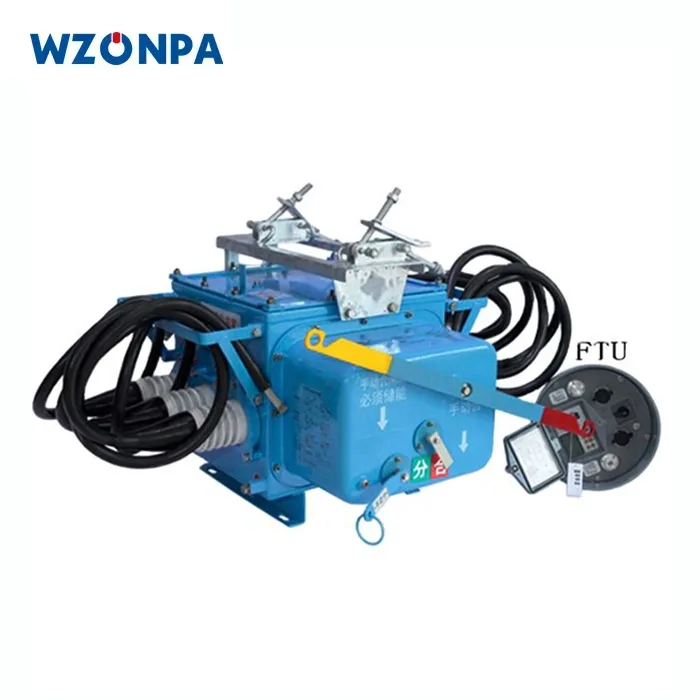
Step-by-Step Safety Procedure
| Phase | Key Actions |
|---|---|
| 1. Pre-Operation Preparation |
- Review the specific switchgear manual and single-line diagram. - Perform a thorough risk assessment (arc flash, shock hazard). - Don appropriate Personal Protective Equipment (PPE) - arc-rated suit, face shield, insulating gloves. - Ensure all tools (insulated operating rods) are tested and in good condition. - Verify the Load Break Switch is intended for the operation (load breaking, not fault interruption). |
| 2. Safe Execution |
- Clearly announce the operation to all personnel in the area. - Using the insulated operating rod, open or close the switch in a firm, smooth motion as per design. - Never attempt to operate a switch manually if the mechanism appears stiff or faulty. - For switching under load, ensure the switch is explicitly rated for such duty. |
| 3. Post-Operation Verification |
- Visually confirm the switch blades are fully in the open or closed position. - Apply proper locking-out and tagging-out (LOTO) devices if the circuit is to be isolated for maintenance. - Use a approved voltage tester to verify de-energization on the load side for open switches. - Document the operation in the logbook. |
Load Break Switch FAQ
Q: Can a Load Break Switch interrupt a short-circuit fault?
A: No, absolutely not. A Load Break Switch is designed only to make and break rated load currents. Interrupting a fault current requires a circuit breaker equipped with protective relays. Attempting to use a switch for fault interruption can cause catastrophic failure, including explosive arc blast.
Q: What is the critical difference between 'off-load' and 'on-load' isolation?
A: An 'off-load' or isolator switch should only be operated when the circuit is completely de-energized and has no current flow. A true Load Break Switch is an 'on-load' device, meaning it can safely interrupt the normal rated current of the circuit, providing a visible break for isolation after the current is stopped.
Q: How often should a Load Break Switch be maintained?
A: The maintenance schedule depends on operating frequency and environment. Generally, a visual and mechanical inspection should be performed annually. After every fault incident nearby or significant number of operations (consult the Wzonpa manual for specific counts), a detailed inspection of contacts, insulation, and mechanism is mandatory to ensure long-term reliability and safety.
Mastering the safe operation of a Load Break Switch is fundamental for electrical safety. By institutionalizing these procedures and using robust, reliable equipment, you significantly mitigate operational risks. Wzonpa designs its switchgear with clear markings, reliable mechanisms, and comprehensive documentation to support these safety steps at every level.
For detailed technical specifications, certified training manuals, or to consult with our engineering team about selecting the right Wzonpa Load Break Switch for your application’s safety needs, contact us today. Let us partner in ensuring your operations are not only efficient but, above all, safe.