

What are the key steps in the FPC line board assembly process
2026-01-08
The assembly of a Flexible Printed Circuit (FPC) line board is a meticulous process that bridges the gap between design and a fully functional, bendable electronic component. At Akeson, with our two decades of expertise in precision electronics, we understand that each step is critical to ensuring the final product’s reliability and performance. This blog outlines the essential stages in the FPC line board assembly journey.
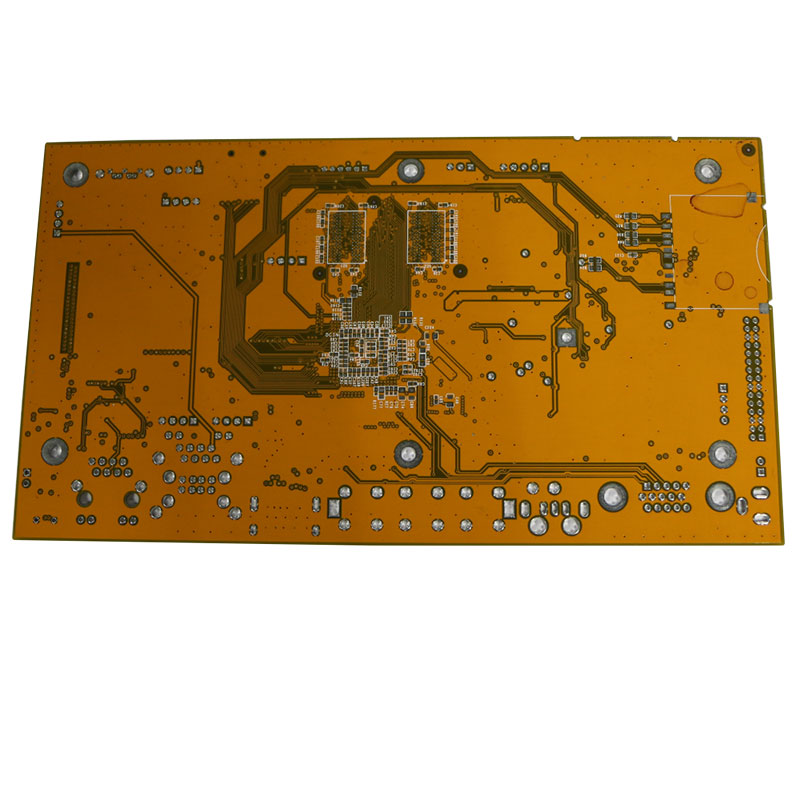
The key steps in a professional FPC line board assembly process follow a structured flow:
-
Material Preparation & Inspection: The bare flexible laminate and components are verified for specifications and quality.
-
Solder Paste Application: A precise layer of solder paste is applied to the board's pads using a stencil.
-
Component Placement: Surface Mount Devices (SMDs) are accurately placed onto the pasted pads by automated pick-and-place machines.
-
Reflow Soldering: The board passes through a reflow oven, melting the solder paste to form permanent electrical and mechanical bonds.
-
Through-Hole Component Assembly: Any remaining through-hole parts are inserted and soldered, often via selective wave soldering.
-
Conformal Coating & Protection: A protective coating may be applied to shield the assembly from moisture, dust, and chemicals.
-
Final Inspection & Functional Testing: Rigorous automated optical inspection (AOI) and electrical tests validate assembly quality and functionality.
For a clearer comparison of two major soldering techniques used, see the table below:
| Process Feature | Reflow Soldering | Selective Wave Soldering |
|---|---|---|
| Primary Use | Surface Mount Components (SMDs) | Through-Hole Components |
| Process | Solder paste is melted in a controlled oven | Board is passed over a localized wave of molten solder |
| Best For | High-density, double-sided FPC line boards | Boards with mixed technology or robust connectors |
FPC Line Board Assembly FAQ
Q: How do you ensure components stay attached to a flexible board during assembly?
A: We use specialized pallets and carriers that securely hold the flexible board taut and flat throughout the SMT process. This prevents movement during paste printing, placement, and reflow, which is crucial for achieving perfect alignment and strong solder joints.
Q: What are the biggest challenges in FPC line board assembly compared to rigid PCB assembly?
A: The inherent flexibility of the material is the main challenge. It requires specialized handling fixtures to prevent bending or wrinkling. Furthermore, the thermal management during soldering must be precisely controlled, as flexible materials often have different thermal expansion rates than rigid boards.
Q: Can you assemble components on both sides of an FPC line board?
A: Yes, double-sided assembly is common and a specialty at Akeson. It requires careful process planning, including using a higher-temp solder paste for the second side reflow and potentially temporary supports to protect already-soldered components on the first side.
Mastering the FPC line board assembly process demands precision equipment, deep material knowledge, and rigorous process control. At Akeson, we integrate all these elements to deliver flexible circuits that meet the highest standards of quality and durability. For your next project requiring expert FPC line board assembly and reliable performance, partner with a team that has proven expertise.
Contact us today to discuss your specific requirements and receive a detailed consultation.