

What Are the Key Specifications to Check When Buying a Low Voltage HRC Fuse
2025-12-03
Selecting the right Low Voltage HRC Fuse is a critical decision for ensuring the safety, reliability, and longevity of your electrical systems. With various options on the market, knowing which specifications to prioritize can be challenging. As a trusted manufacturer with deep industry expertise, Yinrong is here to guide you through the essential parameters that define a high-quality fuse, ensuring you make an informed choice for your specific application.
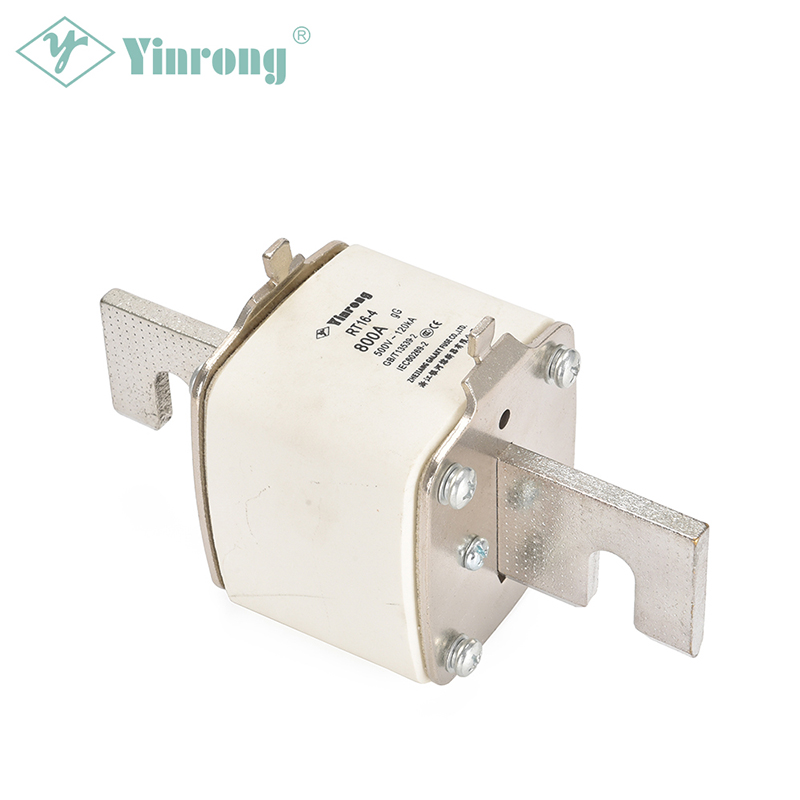
Essential Specifications for Your Low Voltage HRC Fuse
When evaluating a Low Voltage NT HRC Fuse, pay close attention to these core technical specifications. Yinrong fuses are engineered to excel across all these parameters, providing superior protection.
-
Rated Voltage (Ue): This indicates the maximum network voltage the fuse is designed to safely interrupt. Ensure the fuse's rated voltage is equal to or higher than your system's operating voltage.
-
Rated Current (In): This is the current the fuse can carry continuously without deteriorating. It must be carefully matched to the load's full-load current, considering ambient temperature corrections.
-
Breaking Capacity (Icn): Also known as rupturing capacity, this is the maximum fault current the fuse can safely interrupt without damage. Yinrong fuses offer very high breaking capacities, essential for modern high-fault-level networks.
-
Time-Current Characteristic (Trip Curve): This defines the speed of operation (e.g., type gG/gL general purpose, type aM for motor protection). Selecting the correct curve is vital for achieving proper selectivity with upstream and downstream devices.
For a clear comparison, here are the typical specifications for a range of Yinrong Low Voltage NT HRC Fuses:
| Fuse Link Type | Rated Current (In) Range | Rated Voltage (Ue) | Breaking Capacity (Icn) | Typical Application |
|---|---|---|---|---|
| Yinrong gG/gL | 2A - 1600A | 400V / 500V / 690V AC | Up to 120kA | General cable and line protection in panels, distribution boards. |
| Yinrong aM | 2A - 630A | 400V / 690V AC | Up to 100kA | Motor circuit protection, often used in conjunction with contactors. |
Low Voltage NT HRC Fuse FAQ
Q: What does “HRC” stand for in a Low Voltage NT HRC Fuse?
A: HRC stands for High Rupturing Capacity. It signifies that the fuse is designed to safely interrupt very high short-circuit currents (often over 100kA) without rupture, explosion, or emitting dangerous arcs, which is a cornerstone of the safety provided by Yinrong fuses.
Q: How do I select the correct rated current for a motor protection fuse?
A: For motor protection (typically using aM characteristic fuses), the selection is based on the motor's full-load current and starting cycle. The fuse protects against short-circuits; the overload protection is usually handled by a thermal relay. Consulting the motor data sheet and application guides from Yinrong is crucial for correct sizing.
Q: Can a Low Voltage NT HRC Fuse be replaced with one of a higher current rating?
A: No, this is dangerous and should never be done. The fuse is a calibrated protective device. Using a higher rating than the circuit is designed for compromises protection, can lead to cable damage, and poses a serious fire risk. Always replace with a fuse of the identical type and rating, or consult a qualified engineer.
Secure Your System with Precision Protection
Understanding these key specifications is the first step toward achieving a safe and selective electrical protection scheme. Yinrong’s comprehensive range of Low Voltage NT HRC Fuses is designed to meet the most demanding industrial and commercial applications, offering reliability you can trust. For personalized technical support in selecting the perfect fuse for your project, or to request detailed catalogs and datasheets, contact our expert team today. Let us help you build a safer, more resilient electrical system.