

What are the environmental impacts of disposing of Lithium Polymer batteries
2026-05-12
The rapid rise of portable electronics and electric vehicles has led to a surge in the use of rechargeable energy storage systems. A common question among users and manufacturers alike is: What are the environmental impacts of disposing of Lithium Polymer batteries? At VCELL POWER, we recognize that improper disposal of these advanced power sources can lead to significant ecological harm. This blog explores the full environmental footprint of Lithium Polymer Battery waste and offers sustainable solutions.
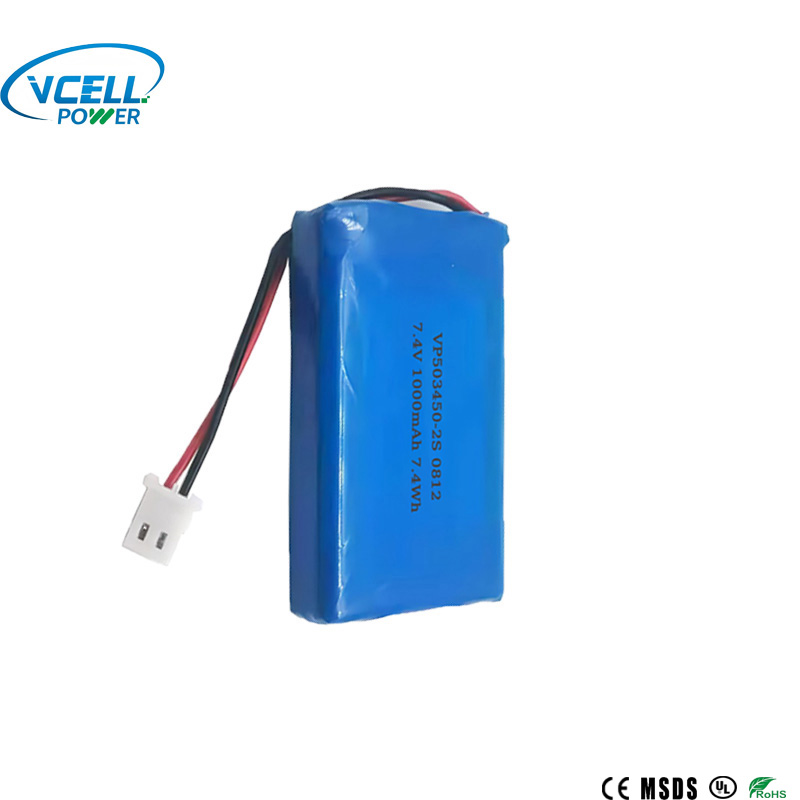
Key Environmental Impacts of Improper Disposal
| Environmental Aspect | Consequence of Improper Disposal | Mitigation Strategy |
|---|---|---|
| Soil Contamination | Leaked electrolytes and heavy metals (cobalt, nickel) poison agricultural land | Certified recycling programs |
| Water Pollution | Toxic chemicals seep into groundwater, affecting drinking supplies | Sealed landfill barriers |
| Air Emissions | Incineration releases hydrogen fluoride and dioxins | Low-temperature controlled recycling |
| Ecosystem Damage | Accumulation of lithium salts disrupts plant growth and aquatic life | Battery take‑back initiatives |
Lithium Polymer Battery disposal poses a unique challenge because the flexible pouch casing is prone to physical damage, increasing leakage risks during waste handling. Unlike rigid cylindrical cells, punctured pouches release electrolytes rapidly.
List of Harmful Components in a Lithium Polymer Battery
-
Lithium hexafluorophosphate (LiPF₆): Reacts with moisture to form hydrofluoric acid, corrosive to organic tissue and metals.
-
Organic solvents (EC, DMC, EMC): Volatile and flammable, contribute to photochemical smog.
-
Heavy metals (cobalt, nickel, manganese): Persistent bioaccumulative toxins affecting nervous systems of wildlife.
-
Aluminum-plastic laminate film: Non‑biodegradable and contributes to microplastic pollution.
Proper recycling by certified facilities like VCELL POWER recovers over 95% of these materials, reducing the need for virgin mining.
Lithium Polymer Battery FAQ
Q1: Can I throw a Lithium Polymer battery in the regular trash bin?
No. Disposing of a Lithium Polymer Battery in household trash is illegal in many jurisdictions because the battery can be crushed in collection trucks, leading to short circuits, fires, and the release of toxic electrolytes into the environment. Under normal landfill conditions, the outer foil degrades within years, allowing cobalt and lithium salts to leach into soil and groundwater. Always take swollen or dead Lithium Polymer Battery units to a designated electronics recycling drop‑off point or contact VCELL POWER for disposal guidance.
Q2: How long does it take for a Lithium Polymer battery to decompose in a landfill?
A Lithium Polymer Battery does not biodegrade in any meaningful timeframe. The aluminum laminate outer layer can take over 100 years to break down physically, while the internal chemical components remain active. Even after the casing ruptures, lithium salts and transition metals persist indefinitely in the environment, continuously contaminating leachate. Proper recycling is the only responsible end‑of‑life solution.
Q3: Are there eco‑friendly alternatives to disposing of a Lithium Polymer battery?
Yes. The most environmentally sound option is recycling through specialized hydrometallurgical or pyrometallurgical processes that recover lithium, cobalt, and nickel for reuse in new batteries. Some manufacturers, including VCELL POWER, offer mail‑back or in‑store collection programs. Additionally, repurposing slightly degraded Lithium Polymer Battery packs for lower‑demand applications (solar lights, backup storage) extends useful life and delays disposal. Never attempt to open or incinerate a Lithium Polymer Battery yourself.
Conclusion and Call to Action
The environmental consequences of discarding Lithium Polymer Battery waste are severe but entirely preventable. From soil toxicity to water pollution, every discarded cell carries a hidden ecological cost. VCELL POWER is committed to sustainable energy storage solutions and responsible end‑of‑life management.
Contact us today to learn about our recycling partnerships, safe disposal protocols, or to request a quote for high‑performance, eco‑conscious Lithium Polymer Battery products. Visit our website or email our support team directly. Together, we can power the future without poisoning the planet.