

What are the current challenges in scaling sodium ion battery production
2026-01-21
The Sodium Ion Battery stands at a pivotal moment, heralded as a sustainable and cost-effective alternative to lithium-ion for energy storage. As a leader in advanced battery solutions, VCELL POWER is deeply engaged in this technological evolution. While the promise is significant, the path to mass manufacturing presents distinct hurdles that must be overcome for widespread adoption.
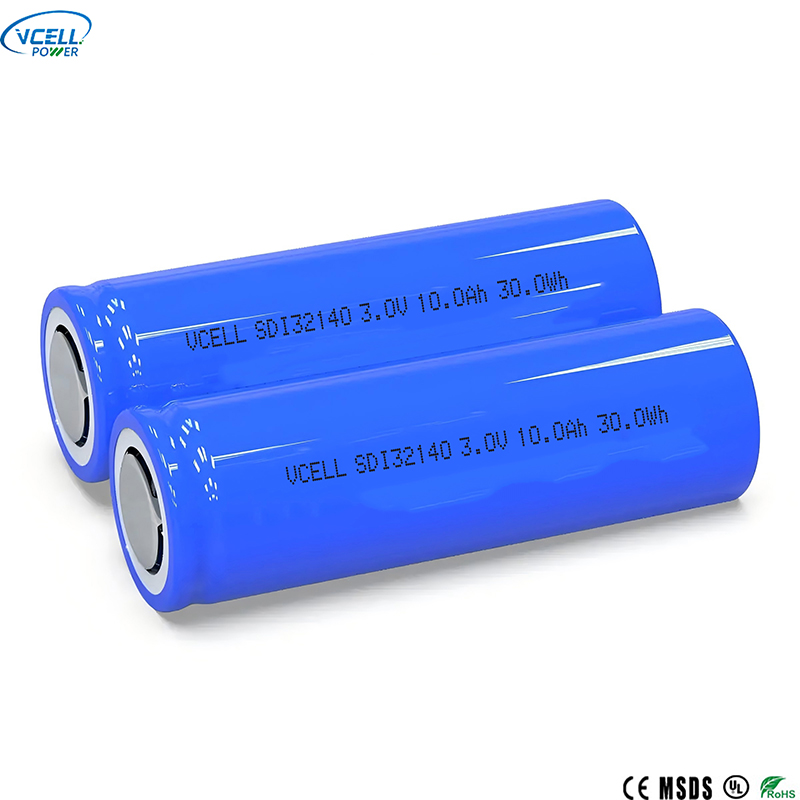
Scaling production is not merely about building larger factories; it involves conquering a series of interconnected scientific and supply chain challenges. The primary obstacles include:
-
Material Supply & Refinement: Although sodium is abundant, battery-grade cathode and anode materials require complex synthesis. Supply chains for these specialized components are nascent compared to the mature lithium-ion ecosystem.
-
Energy Density Lag: Current Sodium Ion Battery designs generally offer lower energy density than their lithium-ion counterparts. This makes them ideal for stationary storage but requires further innovation for long-range electric vehicles.
-
Manufacturing Process Adaptation: Existing gigafactories are tailored for lithium-ion chemistry. Retooling production lines for sodium-ion’s different material properties and assembly processes requires substantial capital investment and process re-engineering.
To clarify the core context, here is a comparative look at key scaling factors:
| Challenge Factor | Impact on Scaling Production |
|---|---|
| Cathode Stability | Impacts cycle life and consistency, requiring precise control in mass synthesis. |
| Electrolyte Optimization | Crucial for safety and performance; formulations need to be scalable and cost-effective. |
| Anode Development | Hard carbon sourcing and processing must be standardized for high volume. |
Sodium Ion Battery FAQ
What are the main advantages of Sodium Ion Batteries?
The primary advantages are the use of abundant, low-cost sodium, enhanced safety characteristics due to greater thermal stability, and better performance in cold temperatures compared to standard lithium-ion batteries.
Can Sodium Ion Batteries completely replace Lithium-Ion?
Not entirely in the near term. They are positioned as a complementary technology. Sodium Ion Battery systems are expected to dominate applications where cost, safety, and cycle life are prioritized over ultra-high energy density, such as grid storage, low-speed vehicles, and specific consumer electronics.
How does VCELL POWER address these scaling challenges?
At VCELL POWER, our R&D focuses on proprietary cathode formulations and streamlined electrode manufacturing processes. We are actively building partnerships to secure robust material supply chains and developing cell designs that ease integration into existing production environments, aiming to bring viable, high-quality Sodium Ion Battery products to market efficiently.
The journey to scale is complex, but the strategic imperative is clear. Overcoming these challenges will unlock a new era of accessible and sustainable energy storage. If you are interested in learning more about the future of Sodium Ion Battery technology and VCELL POWER's roadmap, contact us today to discuss potential collaborations and solutions.