

What Are the Common Problems with Body Cam GPS Antenna Reception
2026-09-15
In the field of law enforcement and security operations, reliable location tracking is not a luxury—it is a necessity. A Body Cam GPS Antenna plays a critical role in ensuring that every recorded incident is tied to an accurate geolocation. However, many agencies and professionals report persistent reception issues that undermine the value of their equipment. At Qianmu, we have spent years diagnosing and solving these challenges for clients worldwide. This article breaks down the most common problems, their root causes, and practical solutions.
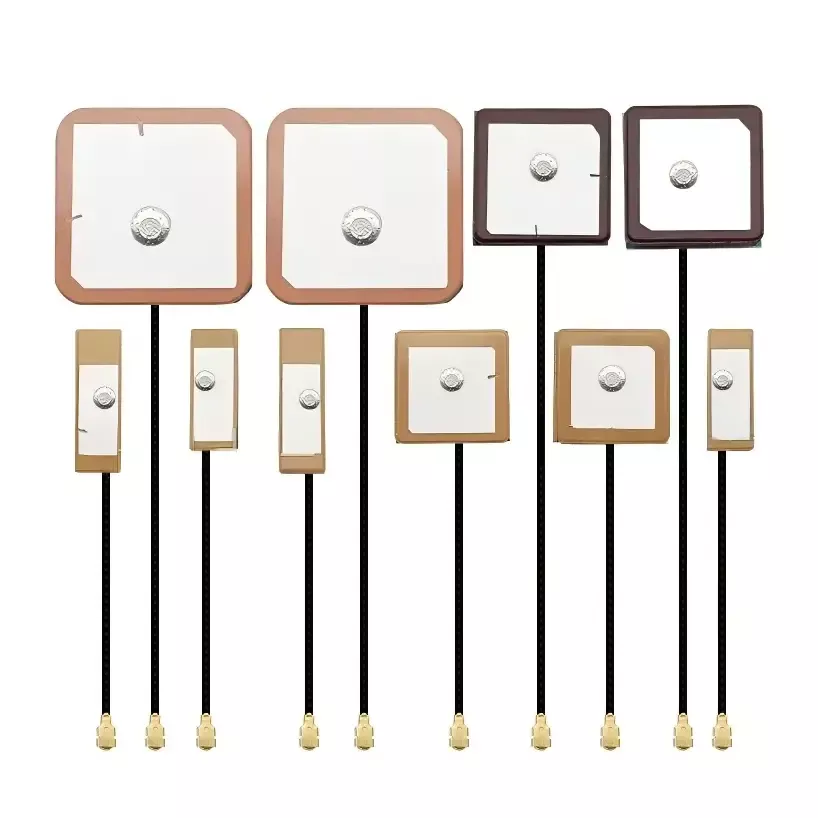
Why Body Cam GPS Antenna Reception Fails: Top Issues
Understanding the problem is half the battle. Below are the most frequently reported issues we see at Qianmu:
| Problem | Primary Cause | Impact |
|---|---|---|
| Signal loss in urban areas | Multipath interference from tall buildings | Inaccurate or missing location data |
| Slow time-to-first-fix (TTFF) | Poor antenna gain or obstructed sky view | Delayed tracking during critical incidents |
| Frequent disconnections | Loose connectors or damaged cabling | Gaps in GPS logs |
| Indoor failure | Weak signal penetration | No location data inside buildings |
| Overheating | Poor thermal design in compact units | Reduced antenna lifespan |
| Incompatibility | Mismatched frequency bands | Complete reception failure |
1. Multipath and Urban Canyon Effects
When a Body Cam GPS Antenna operates in dense city environments, signals reflect off buildings, vehicles, and other structures. This creates "multipath" errors where the antenna receives multiple copies of the same signal at different times. The result is a location that jumps around or is simply wrong. Qianmu addresses this with advanced filtering algorithms and antenna designs that reject reflected signals.
2. Physical Obstruction and Wear
Body-worn devices endure constant movement, sweat, rain, and impact. A Body Cam GPS Antenna that is improperly mounted or shielded by the human body will struggle to maintain a lock. Common mistakes include:
-
Placing the antenna against the torso
-
Using metal clips that block signal
-
Failing to seal connectors against moisture
Qianmu recommends mounting the antenna on the shoulder or epaulet area with a clear view of the sky.
3. Power and Thermal Constraints
Compact body cameras have limited battery capacity. A Body Cam GPS Antenna that draws too much power can drain the battery quickly, while poor thermal management can cause the antenna to overheat and degrade. Qianmu designs low-power, high-efficiency antennas that maintain performance without compromising battery life.
4. Compatibility and Frequency Mismatches
Not all Body Cam GPS Antenna units are built for the same frequency bands. Using an antenna designed for one system on another can result in total reception failure. Always verify specifications before purchase. Qianmu offers antennas compatible with major body camera brands and frequency standards.
Body Cam GPS Antenna FAQ
Q: Why does my Body Cam GPS Antenna lose signal even in open areas?
A: This usually points to a hardware or configuration issue. Check for loose connectors, damaged cables, or a failed antenna element. Also confirm that the GPS module is enabled and that the antenna is tuned to the correct frequency band (e.g., L1 at 1575.42 MHz). Interference from other electronics on the officer's belt can also degrade reception. If the problem persists, test the antenna with a known-good unit to isolate the fault.
Q: How can I improve Body Cam GPS Antenna reception indoors?
A: Indoor reception is inherently challenging because GPS signals are weak and easily blocked by walls. To improve performance, place the antenna near a window or use a repeater system. For indoor operations, consider assisted GPS (A-GPS) or hybrid positioning that combines Wi-Fi and cellular data. Qianmu offers antennas with higher gain for semi-indoor use, but full indoor GPS lock may still require infrastructure support.
Q: What maintenance steps keep a Body Cam GPS Antenna working reliably?
A: Regular inspection is key. Clean the antenna surface with a dry cloth, check connectors for corrosion, and replace any frayed cables immediately. Avoid bending the antenna sharply, and store the camera in a protective case when not in use. Qianmu recommends a full diagnostic check every six months, especially for agencies with heavy daily deployment.
Conclusion
A Body Cam GPS Antenna is only as good as its installation, environment, and maintenance. By understanding common failure points—multipath, obstruction, power limits, and compatibility—you can dramatically improve location accuracy and operational trust. Qianmu stands behind every antenna with engineering support and field-tested designs. Contact us today to discuss your specific requirements and get a tailored solution for your team.