

What are the common mistakes to avoid when using solder wick braid wire for desoldering components
2026-05-09
Desoldering is a precision art, and even experienced technicians make errors when using Solder Wick Braid Wire. Recognizing these pitfalls is the first step to flawless PCB rework. Quande has observed thousands of field repairs and manufacturing processes, identifying frequent missteps that compromise joint integrity and damage boards. This guide outlines these critical errors and provides actionable solutions, ensuring your rework is efficient and reliable.
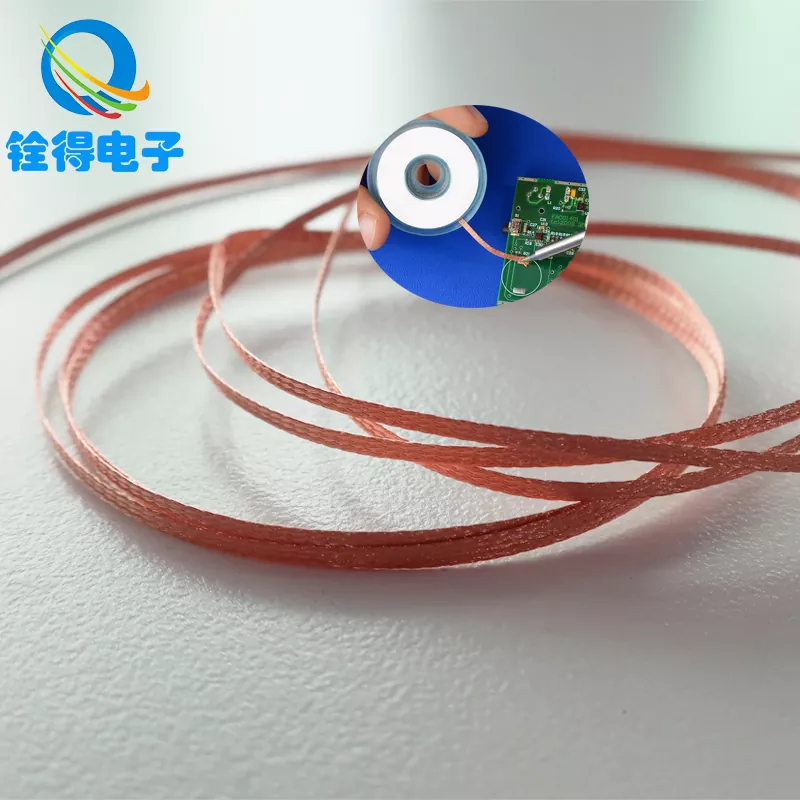
Top 5 Mistakes When Using Solder Wick Braid Wire
| Mistake | Consequence | Correct Practice (Quande Recommendation) |
|---|---|---|
| Using oxidized or old braid | Poor thermal transfer, no solder absorption | Store braid in a sealed bag. Use fresh Quande Solder Wick Braid Wire for consistent flux activity. |
| Applying too much pressure | Lifted pads or damaged traces | Let the heat and capillary action work. Glide the braid gently over the joint. |
| Wrong braid width for the job | Bridging adjacent pins or slow heating | Use 0.8–1.5mm for ICs and fine pitch; 2.0–3.5mm for through-hole components. |
| Insufficient tip temperature | Braid sticks to the board, no desoldering | Set iron to 330–370°C (626–698°F) with a clean, tinned tip. |
| Not adding extra flux | Wick saturates before absorbing solder | Always apply additional liquid flux to the braid before each use. |
Detailed Breakdown of Critical Errors
Heat and Pressure Misjudgment
One of the most destructive mistakes is holding the soldering iron on the braid for too long. This delaminates PCB pads. A proper technique involves a 1–2 second contact, then removing the iron and braid simultaneously when you see solder flow into the wick.
Using the Wrong Braid Type
Oxidized or no-clean braid rarely works on heavily soldered joints. Quande’s Solder Wick Braid Wire features a balanced rosin flux coating that withstands higher thermal loads without degrading. Always verify that your braid matches your solder alloy (lead-free vs. tin-lead).
3 Essential FAQs About Solder Wick Braid Wire
Q1: Why does my Solder Wick Braid Wire turn black and stop absorbing solder?
A: This is thermal oxidation. The braid charred because your soldering iron was too hot or left on the braid too long. Once the copper strands oxidize and flux is exhausted, the wick cannot absorb solder. Solution: Lower your iron to 340°C, use a larger tip for better heat transfer, and replace the braid segment after each pull. Quande Solder Wick Braid Wire includes a high-temperature flux that extends this window, but you still must move efficiently.
Q2: Can I reuse a piece of Solder Wick Braid Wire after cutting off the used portion?
A: Yes, but only if the remaining section is clean and not heat-affected. Cut the darkened part completely away—do not try to reheat an already charred section. However, professional rework rarely reuses braid because fresh braid guarantees active flux. For critical boards, always use a new segment from your Quande Solder Wick Braid Wire dispenser to ensure maximum capillary action.
Q3: Should I add extra flux even when the braid says "non-clean" or "pre-fluxed"?
A: Absolutely. Pre-fluxed braid contains a minimal layer of flux that evaporates within seconds of heat application. Adding liquid or gel flux (rosin-based) drastically improves solder wicking speed, reduces heat time, and prevents pad lifting. Apply flux directly onto the braid before placing it on the joint. This simple step triples the efficiency of any Solder Wick Braid Wire.
Final Recommendations for Professional Rework
To avoid repetition errors, follow a consistent workflow: cut a fresh braid piece, apply external flux, set a temperature-controlled iron to 340°C, touch the braid over the joint for no more than two seconds, then remove. Inspect the pad. If any solder remains, rotate to a clean braid section—never pull the same oxidized piece across the board.
Contact Us
Need high-performance Solder Wick Braid Wire that delivers consistent results on lead-free and tin‑lead assemblies? Quande supplies OEM-grade desoldering braid trusted by electronics manufacturers worldwide. Visit our contact page to request samples or a bulk quote. Our engineers will help you select the exact width and flux type for your production line.