

What Are the Common Challenges in Machining Brass Bushings with CNC Technology
2026-03-05
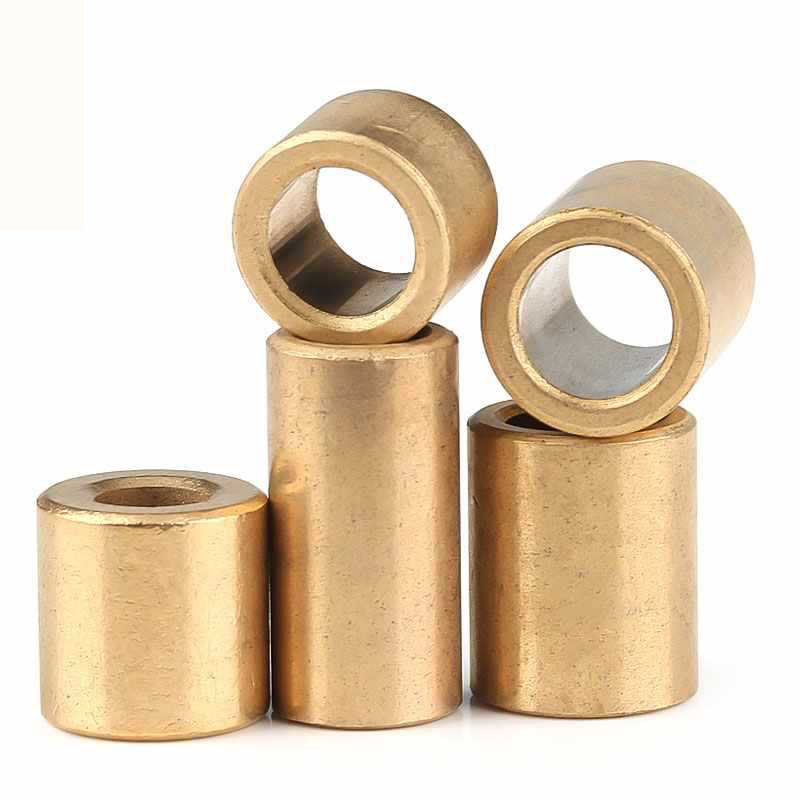
When manufacturing high-precision components, few processes demand the exactitude required for producing Brass bushing CNC turning parts. At Dongguan Fuchengxin, we have spent years refining our approach to CNC machining, yet even for experienced machinists, working with brass bushings presents a unique set of obstacles. Understanding these challenges is critical for ensuring product longevity and performance.
Primary Technical Hurdles in Production
The machining of brass components requires a nuanced understanding of both material science and machine dynamics. Below are the most frequent complications encountered during the production of Brass bushing CNC turning parts:
| Challenge | Description | Impact on Part |
|---|---|---|
| Material Deformation | Brass's relative softness can cause bending under excessive clamping pressure | Loss of concentricity and ovality in the bushing bore |
| Chip Control | Long, stringy chips can wrap around the tool or workpiece | Surface scratches and potential machine downtime |
| Dimensional Tolerances | Thermal expansion during high-speed turning | Inconsistent inner diameter measurements across production batches |
Detailed Breakdown of Common Issues
1. Work-Hardening During Initial Cuts
While brass is generally free-machining, certain alloys can harden quickly if incorrect feed rates are used. This not only dulls cutting tools prematurely but also compromises the surface finish of the Brass bushing CNC turning parts. At Dongguan Fuchengxin, we mitigate this by maintaining consistent chip loads and using sharp, polished cutting edges.
2. Vibration and Chatter
Due to the geometry of bushings (often long relative to their wall thickness), they are prone to chatter. This results in a poor surface finish that can lead to premature wear in the final application. Utilizing steady rests and optimizing spindle speeds are essential strategies.
3. Burr Formation
Brass’s ductility means that burrs often form on the edges of the bushing, particularly on cross-holes or after parting-off operations. Deburring adds an extra step to the process, and if done manually, risks introducing dimensional inaccuracies.
Frequently Asked Questions
What causes poor surface finish on CNC machined brass bushings?
Poor surface finish is typically the result of incorrect spindle speeds, dull tooling, or vibration within the work holding setup. For optimal results, manufacturers must use sharp, polished carbide inserts designed specifically for non-ferrous materials. Additionally, ensuring the workpiece is rigidly supported prevents the harmonics that lead to chatter marks on the Brass bushing CNC turning parts.
How do I prevent brass bushings from corroding after machining?
While brass is naturally corrosion-resistant compared to steel, it can still tarnish or develop stress cracks if exposed to certain chemicals or residual machining oils. To prevent this, parts should be thoroughly cleaned immediately after machining to remove any sulfur-based cutting fluids. Applying a light coat of protective oil or passivating the surface ensures the Brass bushing CNC turning parts maintain their aesthetic and functional integrity during storage.
Can tight tolerances be maintained on long, thin-wall brass bushings?
Maintaining tight tolerances on thin-wall components is one of the most difficult tasks in CNC turning. The primary challenge is the physical compression of the part during clamping. At Dongguan Fuchengxin, we often employ specialized expanding mandrels or custom soft jaws that distribute pressure evenly. This prevents distortion, ensuring the final Brass bushing CNC turning parts meet strict concentricity requirements.
Best Practices for Quality Assurance
To overcome these challenges, a structured approach to machining is necessary. Dongguan Fuchengxin adheres to the following protocols:
-
Toolpath Optimization: Using trochoidal milling and high-feed strategies to reduce heat buildup.
-
Coolant Application: High-pressure coolant systems to break chips and evacuate them from the cutting zone.
-
In-Process Gauging: Automated measurement systems that adjust for tool wear in real-time.
Partner with Dongguan Fuchengxin
Navigating the complexities of CNC machining requires a partner with technical depth and practical experience. If you are facing challenges with your current supplier or are looking to optimize your next project, we are here to help. Contact us today to discuss your specifications and discover how our precision engineering can deliver superior Brass bushing CNC turning parts for your applications.