

What are the Challenges in Testing and Inspecting Rigid-Flex Boards
2026-02-04
In the world of advanced electronics, Rigid-Flex Boards represent a pinnacle of design innovation, enabling the sleek and robust devices we rely on. However, their unique hybrid structure—combining rigid PCB sections with flexible polyimide circuits—introduces a distinct set of complexities during the critical phases of testing and inspection. For engineers and procurement specialists, understanding these hurdles is key to ensuring product reliability. At Akeson, we specialize in navigating these challenges to deliver flawless Rigid-Flex Boards that perform under pressure.
The primary testing challenges stem from the board's non-planar, three-dimensional nature. Traditional testing fixtures and automated optical inspection (AOI) systems are designed for flat, rigid surfaces, making full coverage difficult.
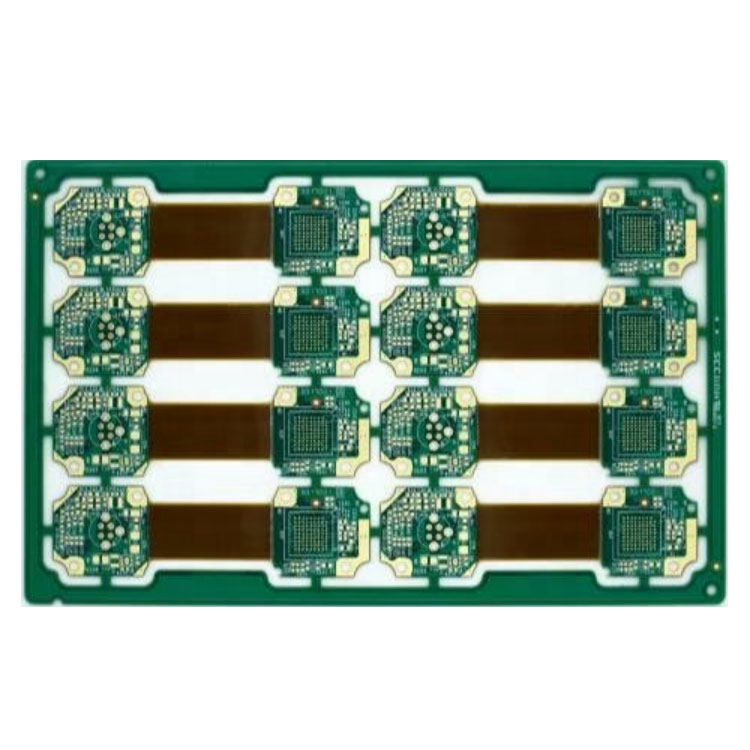
Key Inspection and Testing Hurdles Include:
-
Fixture Complexity: Creating reliable test fixtures (like flying probe or bed-of-nails) that make consistent electrical contact with both rigid and flexible areas without stressing the flex zones.
-
Visual Inspection Limitations: Standard 2D AOI struggles with angled rigid sections, folds, and bends, potentially missing soldering or material defects.
-
Dynamic Stress Testing: Verifying the board's durability over repeated flex cycles requires specialized mechanical setups not needed for standard PCBs.
-
Material Variability: The different thermal expansion rates of rigid and flexible materials can complicate post-assembly inspection for micro-cracks or delamination.
The following table outlines the main concerns and corresponding strategic approaches:
| Challenge Category | Specific Issue | Recommended Mitigation Strategy |
|---|---|---|
| Electrical Testing | Inconsistent contact on flex areas; 3D form factor | Custom fixture design with controlled pressure points; segmented testing protocols. |
| Optical Inspection | Shadowing, glare on bent sections; multi-angle viewing | Advanced 3D AOI and multi-axis systems paired with manual inspection at critical bends. |
| Mechanical Reliability | Verifying fold endurance and laminate integrity | Implementing controlled flex-cycle testing on a sample basis from each production batch. |
Rigid-Flex Boards FAQ
Q: Can standard PCB test fixtures be used for Rigid-Flex Boards?
A: Typically, no. Standard fixtures often fail to accommodate the flex sections and varying heights, risking poor contact or physical damage. Custom fixtures designed by experienced manufacturers like Akeson are essential for accurate and safe testing.
Q: How do you inspect soldering quality on the flexible portion of the assembly?
A: This requires a combination of techniques. We utilize high-resolution 3D AOI to examine solder joints from multiple angles and supplement this with X-ray inspection to verify BGA and component integrity underneath any overlapping flexible layers.
Q: What is the biggest reliability risk identified during Rigid-Flex Board testing?
A: The most common risk points are at the transition zones where the flexible material meets the rigid PCB. Thorough inspection for micro-cracks, delamination, and proper adhesive coverage in these critical areas is paramount for long-term performance.
Successfully overcoming these challenges demands not only advanced equipment but also deep, specialized expertise. This is where the experience and engineering acumen of your manufacturing partner become your greatest asset. Akeson’s team leverages proven methodologies and cutting-edge technology to ensure every Rigid-Flex Board is scrutinized against the highest standards of quality and reliability.
Are you facing testing bottlenecks with your advanced PCB designs? Contact us today to discuss how Akeson's expertise can streamline your inspection process and bring reliable, high-performance Rigid-Flex solutions to your project.